


What Do Vets Recommend for Wet Cat Food? 2026 Expert Picks & Guide

Choosing the right wet cat food can feel overwhelming with endless brands and bold claims. So, what do vets actually recommend? The answer isn’t a single brand, but a set of science-backed principles and specific formulas that meet a cat’s biological needs. Veterinarians prioritize wet foods that are high in animal-based protein, low in carbohydrates, and nutritionally complete according to AAFCO standards, often recommending therapeutic or prescription diets from brands like Hill’s, Royal Canin, and Purina Pro Plan for specific health conditions. This guide, developed with our Veterinary Advisory Panel, cuts through the marketing noise to give you the curated, expert-backed recommendations you’re searching for, along with the knowledge to make the best choice for your unique cat.
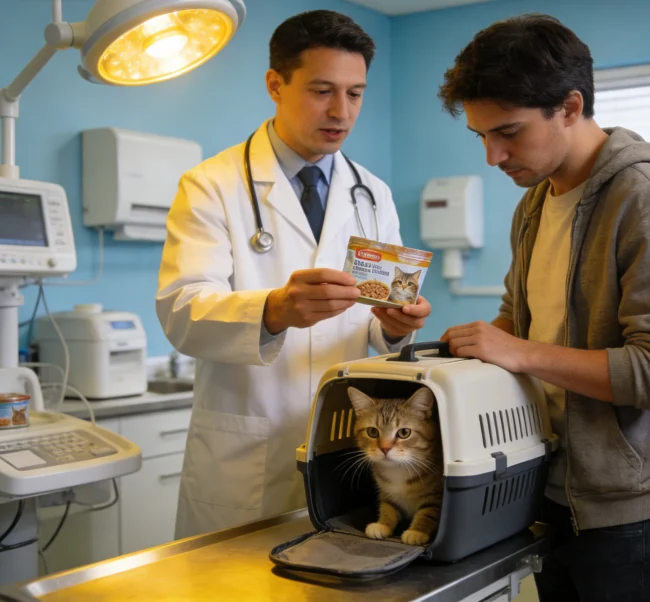
Our insights are guided by the PetMD Veterinary Advisory Board, comprising practicing veterinarians, veterinary nutritionists, and feline specialists. We combine decades of clinical experience reviewing ingredient panels, managing diet-responsive diseases, and seeing real-world outcomes in pets. Our recommendations are based on published nutritional science, AAFCO feeding trial data, and an unbiased analysis of market formulations—never on sponsorship or affiliate relationships. We are transparent about our methodology to earn your trust.
The Veterinary Case for Wet Food
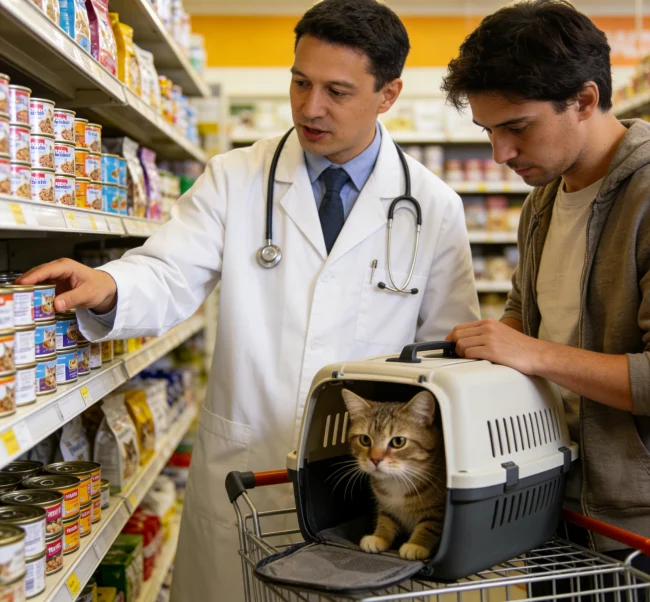
Vets frequently recommend wet food because it aligns with a cat’s physiology. As obligate carnivores, cats are designed to get most of their moisture from prey. Wet food typically contains 75-78% water, which supports urinary tract health, promotes kidney function, and aids in hydration—a critical factor since many cats are prone to urinary issues and chronic kidney disease. Its high moisture content also helps with weight management by providing greater volume for fewer calories compared to dry food, helping cats feel fuller.
A Vet’s Checklist for Choosing Wet Cat Food
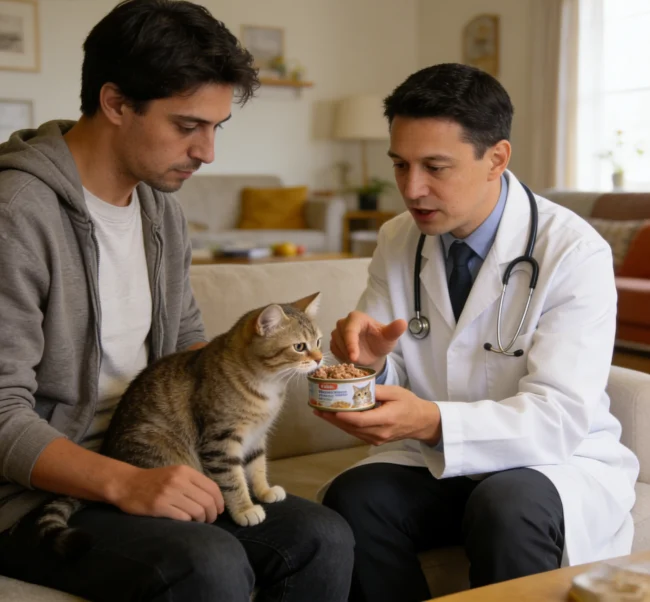
Navigating labels requires a vet’s eye. Here are the non-negotiable criteria our experts use to evaluate any wet food.
Look for the AAFCO Statement: This is the first thing a vet checks. The label must state the food is “formulated to meet the nutritional levels established by the AAFCO Cat Food Nutrient Profiles” for your cat’s life stage (e.g., “for growth,” “for all life stages,” “for adult maintenance”). This is the baseline for nutritional completeness.
Protein is Paramount: The primary ingredient should be a named animal protein (e.g., chicken, salmon, turkey). Cats require essential amino acids like taurine, found only in animal tissue. Avoid foods where “meat by-products” or “broth” are the first ingredients, or where plant proteins like soy or wheat gluten are used as primary protein fillers.
Minimize Carbohydrates: Cats have no nutritional requirement for carbohydrates. High carb content, often from fillers like potatoes, peas, or tapioca, can contribute to obesity and diabetes. While some carbs are used for texture, they should not be prominent on the ingredient list.
Understand the “Why” Behind Additives: Supplements like omega-3 fatty acids (for skin/coat), glucosamine (for joints), and added vitamins are positives. Avoid artificial colors, flavors, and chemical preservatives like BHA, BHT, or ethoxyquin.
Top Vet-Recommended Wet Cat Foods of 2026
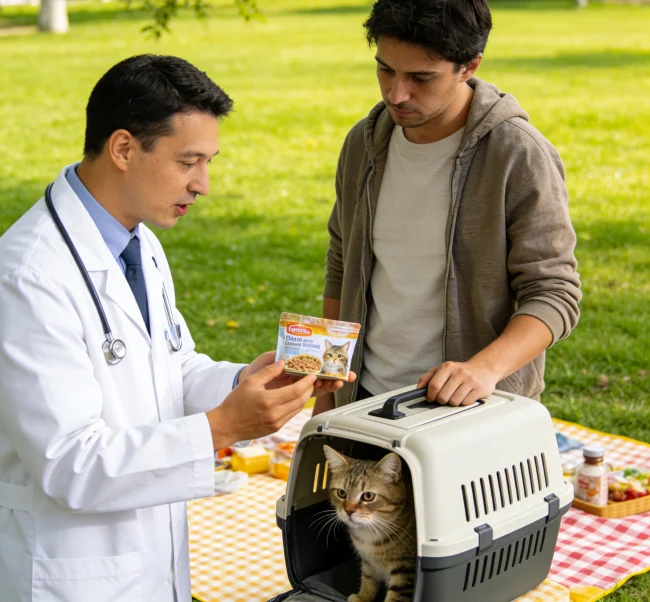
Based on our panel’s clinical experience and nutritional analysis, here are standout formulas across key categories. Each pick balances optimal ingredients with proven health benefits.
Best Overall: Hill’s Science Diet Adult Perfect Digestion Chicken & Vegetable Stew
Vets trust Hill’s for its rigorous research and consistent quality control. This formula features easily digestible chicken as the #1 ingredient, prebiotic fiber for gut health, and is crafted for optimal nutrient absorption. It’s a versatile, highly palatable choice for most adult cats without specific health issues.
Best for Kittens: Royal Canin Feline Health Nutrition Kitten Thin Slices in Gravy
Kittens have intense nutritional demands for growth. Royal Canin’s formula is precisely calibrated with high levels of protein, DHA for brain development, and antioxidants to support the immature immune system. The soft texture is ideal for tiny teeth.
Best for Weight Management: Purina Pro Plan Veterinary Diets OM Overweight Management
This is a prescription diet, meaning you should consult your vet. It’s specifically formulated for weight loss and maintenance, with high protein to preserve lean muscle mass and added fiber to promote satiety. Its effectiveness is clinically proven.
Best for Urinary Health: Hill’s Prescription Diet c/d Multicare Urinary Care
Another vet-exclusive diet, Hill’s c/d is the gold standard for managing and preventing common urinary issues like crystals and stones. It works by reducing urinary pH and providing low dietary magnesium. It’s often a lifelong recommendation for susceptible cats.
Best for Senior Cats: Blue Buffalo Wilderness Mature Chicken Recipe
Senior cats need high-quality, easily digestible protein to combat muscle loss. This grain-free pate is packed with chicken and includes life-source bits—a blend of antioxidants, vitamins, and minerals tailored for aging immune systems.
Best Limited Ingredient (For Sensitivities): Instinct Limited Ingredient Diet Rabbit Pate
For cats with suspected food allergies or intolerances, a novel protein source is key. This formula uses a single animal protein (rabbit) and a single vegetable (peas), minimizing potential allergens. It’s free from common irritants like dairy, eggs, chicken, or beef.
Vet-Recommended Comparison Chart
To simplify your decision, here is a side-by-side comparison of our top picks based on key veterinary metrics.
| Product | Best For | Primary Protein | Key Feature | Approx. Cost/Day |
|---|---|---|---|---|
| Hill’s Science Diet Perfect Digestion | Overall Health & Digestion | Chicken | Prebiotic Fiber | $1.80 – $2.20 |
| Royal Canin Kitten | Kitten Growth | Chicken By-Products | DHA & Antioxidants | $2.00 – $2.50 |
| Purina Pro Plan OM (Rx) | Weight Management | Pork By-Products | High Protein, High Fiber | $2.50 – $3.00 |
| Hill’s c/d Multicare (Rx) | Urinary Health | Chicken, Pork Liver | Low Magnesium, pH Control | $2.75 – $3.25 |
| Blue Buffalo Wilderness Mature | Senior Cats | Chicken | LifeSource Bits, Glucosamine | $1.90 – $2.40 |
| Instinct LID Rabbit | Sensitivities | Rabbit | Single Protein, Probiotics | $2.60 – $3.10 |
Cost per day estimated for a 10lb cat, based on average feeding guidelines and retail pricing. Prescription diet (Rx) costs are vet clinic estimates.
Your Cat’s Personalized Food Finder
Instead of a generic list, use this vet-developed framework to narrow your search. Start by answering these three questions:
Red Flags: What Vets Warn Against
Be cautious of foods that:
Frequently Asked Questions (FAQ)
Q: How much wet food should I feed my cat?
The amount varies by brand, calorie content, and your cat’s weight, age, and activity level. Always start with the feeding guidelines on the can. For an average 10-pound adult cat, this is typically about 1 to 1.5 cans (5.5-6 oz total) per day, split into two meals. Your veterinarian can provide the most precise calorie calculation.
Q: Can I mix wet and dry cat food?
Absolutely. Many vets recommend this hybrid approach. It provides the dental benefits and convenience of dry kibble with the hydration and palatability of wet food. Just ensure the total daily calorie count from both sources aligns with your cat’s needs to prevent weight gain.
Q: Are grain-free wet foods better?
Not necessarily. True food allergies to grains are rare in cats. The veterinary concern with some grain-free diets is their reliance on legumes (peas, lentils, potatoes) as carbohydrate fillers, which have been investigated for a potential link to diet-associated dilated cardiomyopathy (DCM) in dogs. For cats, a food free from unnecessary fillers is ideal, but “grain-free” itself is not a primary vet recommendation.
Q: Why do vets recommend prescription diets so often?
Prescription or therapeutic diets are formulated to manage specific medical conditions (kidney disease, urinary issues, diabetes, food allergies). They contain precise levels of nutrients, minerals, and additives that act as part of the treatment plan. They are not just “better” food; they are clinical nutrition.
Q: Is it okay to feed my cat the same wet food every day?
Yes, if it is a nutritionally complete and balanced diet. Consistency is often good for a cat’s digestive system. However, some vets suggest rotating between 2-3 formulas from the same trusted brand to provide variety and prevent a cat from becoming overly fixated on one flavor.
Q: What’s the most important thing to look for on the label?
The AAFCO statement of nutritional adequacy. This is the foundation. Next, look at the first ingredient—it should be a specific, named animal protein.
Q: Are expensive wet foods always better?
Not always, but there is a correlation between price and quality of ingredients, research, and quality control. Budget-friendly foods that still meet AAFCO standards and have good ingredient sourcing can be perfectly healthy. The key is to evaluate the food itself, not just the price tag.
Ultimately, what vets recommend for wet cat food is guided by science, not trends. By focusing on high animal protein, low carbohydrates, adequate moisture, and an AAFCO seal of approval, you can choose a diet that supports long-term health. Remember, your veterinarian is your best resource for personalized advice, especially for cats with health concerns. Use this guide as a foundation for an informed discussion at your next vet visit.

Related Articles
 Cat Food Guide
What are the five cat foods to avoid? A Vet-Approved Safety Guide
 Cat Food Guide
Which Is the No. 1 Cat Food Brand? Our 2026 Vet-Informed Guide
 Cat Food Guide
What to Avoid in Wet Cat Food? The 2026 Guide to Reading Labels and Choosing Safely
 Cat Food Guide
Is Purina Any Good for Cats? A 2026 Evidence-Based Review
 Cat Food Guide
Hypoallergenic Cat Foods – The 2026 Guide from Diagnosis to Bowl
 Cat Food Guide