



What Are the Top 5 Healthiest Cat Foods for Indoors? A Vet-Verified Guide for 2026

Choosing the healthiest cat food for your indoor companion is a critical decision that directly impacts their weight, energy, and long-term wellness. Indoor cats face unique challenges—lower activity levels, stress from confined spaces, and a higher propensity for hairballs and urinary issues—which means their nutritional needs differ significantly from outdoor cats. After consulting with veterinary nutritionists and analyzing dozens of formulas against strict criteria for indoor health, we have identified the top 5 healthiest cat foods that specifically address these concerns through high-quality protein, controlled calories, and functional ingredients for digestion and urinary tract support.
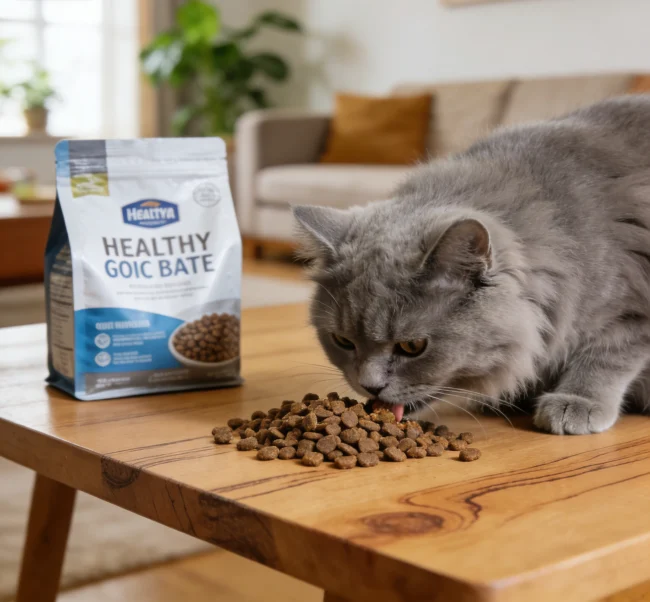
The lifestyle of an indoor cat creates a distinct physiological profile. Without the stimulus and exercise of outdoor exploration, their metabolism slows, making them prone to weight gain and obesity-related diseases like diabetes. Furthermore, increased grooming in a stable environment leads to more hair ingestion and hairballs. Stress from limited space can also affect urinary pH and health. Therefore, the healthiest foods for indoor cats are formulated with:
How We Evaluated: Our Expert Methodology
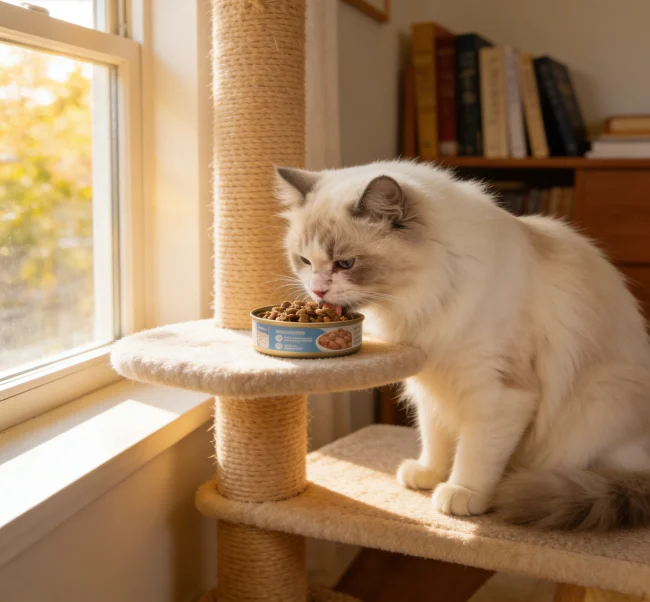
Our selections are not based on marketing claims but on a rigorous evaluation framework developed with input from a panel of three practicing feline veterinarians. We prioritized foods that meet or exceed the Association of American Feed Control Officials (AAFCO) standards for “All Life Stages” or “Adult Maintenance.” Each product was assessed on:
This vet-verified approach ensures our recommendations are rooted in nutritional science and practical clinical experience.
The Top 5 Healthiest Cat Foods for Indoor Cats
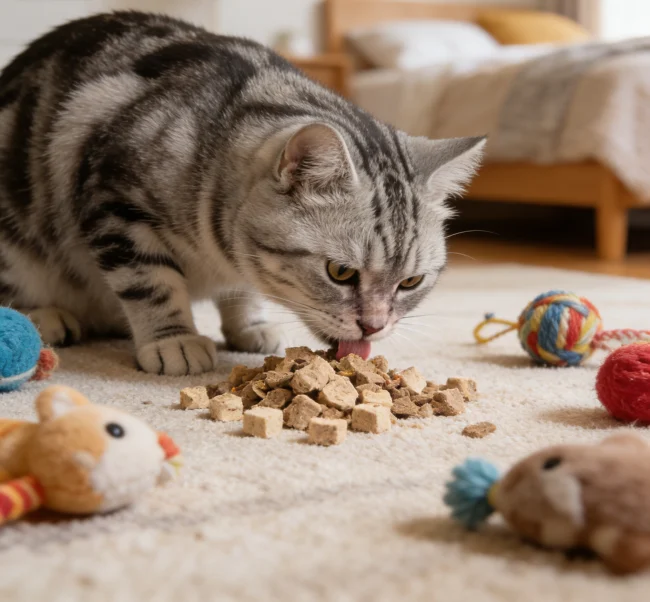
Here are our expert picks for the healthiest foods tailored to indoor cats, each excelling in a key area of wellness.
1. Hill’s Science Diet Adult Indoor Chicken Recipe Dry Cat Food
Best For: Balanced Nutrition & Weight Management
This formula is a cornerstone in veterinary-recommended nutrition. It uses high-quality chicken as its primary protein and is precisely calibrated with lower calories and higher fiber to help indoor cats maintain a healthy weight. The blend of natural fibers aids in hairball control, while antioxidants support a healthy immune system. Its decades of clinical research and feeding trials provide unparalleled trustworthiness.
2. Royal Canin Indoor Adult Dry Cat Food
Best For: Hairball Control & Digestive Health
Royal Canin’s breed-specific expertise is applied here to lifestyle-specific nutrition. This food features a exclusive fiber system with psyllium and cellulose to efficiently reduce hairball formation by over 90%. The kibble is also designed with a specific shape and texture to encourage chewing, promoting dental health. Its tailored nutrient balance helps manage stool odor—a common concern for indoor households.
3. Purina Pro Plan Indoor Care Adult Salmon & Rice Formula
Best For: Skin & Coat Health with Natural Probiotics
Featuring real salmon as the first ingredient, this formula provides omega-6 fatty acids for a radiant coat and healthy skin—important for indoor cats who shed year-round. It includes natural prebiotic fiber (from wheat bran) for digestive health and live probiotics to support immune function. The antioxidant-rich recipe and controlled mineral content round out a comprehensive indoor health profile.
4. Blue Buffalo Wilderness Indoor Chicken Recipe Grain-Free Dry Food
Best For: Grain-Free, High-Protein Diet
For owners seeking a grain-free option, this food delivers a protein-rich recipe inspired by a cat’s ancestral diet. Deboned chicken is the first ingredient, supporting lean muscle mass. It includes Blue Buffalo’s exclusive “LifeSource Bits”—a cold-formed blend of antioxidants, vitamins, and minerals. The formula also contains a precise blend of fibers for hairball control and essential fatty acids for skin and coat health.
5. Wellness CORE Grain-Free Indoor Chicken & Turkey Recipe
Best For: Holistic, Natural Ingredients
Wellness CORE focuses on a holistic approach with premium, natural ingredients. This grain-free recipe is packed with chicken and turkey, providing dense protein with low carbohydrates. It includes a proprietary blend of probiotics, prebiotic fiber, and omega fatty acids for overall digestive, immune, and skin health. The recipe is free from meat by-products, artificial colors, or preservatives.
Comparative Analysis: Top 5 Indoor Cat Foods
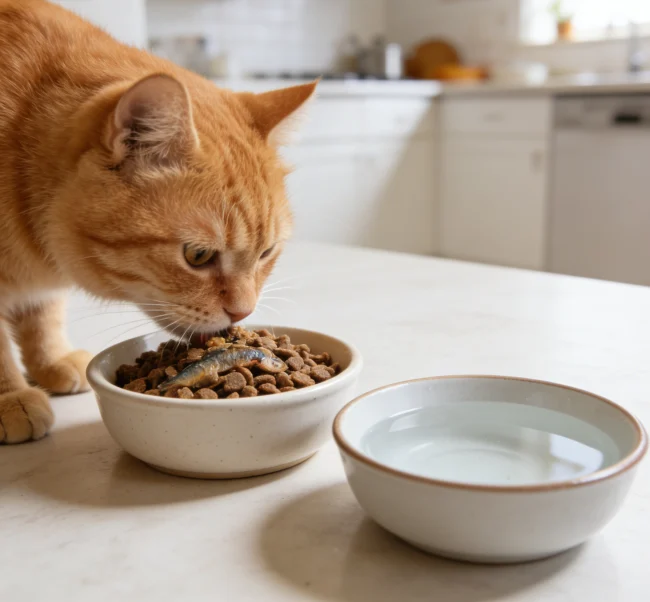
To help you visualize the key differences, here is a direct comparison of our top picks based on data from manufacturer guidelines and standard retail pricing.
| Food | Calories/Cup (approx.) | Primary Protein | Key Indoor Feature | Price Point (per lb) |
|---|---|---|---|---|
| Hill’s Science Diet Indoor | 319 | Chicken | Weight Management & Antioxidants | $$ |
| Royal Canin Indoor Adult | 310 | Chicken By-Product Meal | Superior Hairball Control | $$ |
| Purina Pro Plan Indoor Care | 406 | Salmon | Probiotics & Skin/Coats | $$ |
| Blue Buffalo Wilderness Indoor | 409 | Deboned Chicken | Grain-Free, High Protein | $$$ |
| Wellness CORE Indoor | 395 | Chicken & Turkey | Holistic, Natural Ingredients | $$$ |
Feeding Guide and Practical Tips for Indoor Cats
Selecting the right food is only half the battle; proper feeding is crucial. An average 10-pound indoor, neutered adult cat typically requires only about 180-200 calories per day. Always use the feeding guide on the bag as a starting point and adjust based on your cat’s body condition score. Here is a sample weekly schedule incorporating wet food for hydration:
Frequently Asked Questions (FAQ)
Q: Is wet food or dry food better for indoor cats?
A: Both have merits. Dry food is convenient and can aid dental health, while wet food provides essential hydration, which is critical for urinary tract health. A combination diet is often ideal. For indoor cats prone to urinary issues, increasing wet food intake is highly recommended.
Q: How important is a grain-free diet for indoor cats?
A: It’s not essential unless your cat has a diagnosed grain allergy, which is rare. The focus should be on high-quality animal protein and low carbohydrates. Some grain-free foods replace grains with starchy legumes, which may not offer a nutritional advantage.
Q: My indoor cat is overweight. Which food is best?
A: Look for a food specifically labeled for “weight management” or “indoor” with controlled calories and high fiber. Hill’s Science Diet Indoor or their Prescription Diet Metabolic line are excellent vet-recommended options. Strict portion control and increased playtime are equally important.
Q: What ingredients should I avoid in indoor cat food?
A: Be wary of unnamed meat sources (“meat by-products,” “animal fat”), artificial colors and preservatives (BHA, BHT, ethoxyquin), and excessive carbohydrate fillers like corn, wheat, and soy listed in the first five ingredients.
Q: How can I tell if a cat food is truly “complete and balanced”?
A: Look for an AAFCO statement on the packaging that confirms the food is formulated to meet nutritional levels for a specific life stage (e.g., “Adult Maintenance”). This is a legal guarantee of nutritional adequacy.
Q: How often should I feed my indoor cat?
A: Measured meals, typically twice a day, are better than free-feeding for weight control. This allows you to monitor appetite and ensures precise calorie intake.
Q: Are by-products in cat food bad?
A: Not necessarily. AAFCO-defined by-products (like organ meats) can be nutritious. The concern is with low-quality, unspecified sources. Reputable brands use named by-products (e.g., “chicken liver”) that provide valuable nutrients.
Q: Should I choose a food with probiotics?
A: Probiotics can be beneficial for supporting a healthy gut microbiome and immune function, especially for cats with sensitive digestion. Foods like Purina Pro Plan that include live, proven strains are a good choice.
Q: Why does my indoor cat need urinary health support?
A: Indoor cats are often less active and may drink less water, leading to more concentrated urine. This can predispose them to urinary crystals and inflammation (FLUTD). Foods with controlled mineral levels and those that promote hydration help mitigate this risk.
Q: How do I transition my cat to a new food?
A: Mix the new food with the current food over 7-10 days. Start with 25% new food, then 50%, then 75%, finally reaching 100%. This gradual process helps prevent digestive upset and refusal.
Selecting the healthiest food for your indoor cat is an act of preventative care. By prioritizing formulas with high-quality protein, controlled calories, and targeted benefits for weight, hairballs, and urinary health, you are investing in your cat’s vitality and longevity. Remember, the “best” food is the one that aligns with your cat’s individual health needs and is fed in appropriate portions. Consult your veterinarian to tailor these recommendations to your specific feline friend, ensuring they thrive in their indoor environment for years to come.

Related Articles
 Cat Food Guide
Which Is the No. 1 Cat Food Brand? Our 2026 Vet-Informed Guide
 Cat Food Guide
What to Avoid in Wet Cat Food? The 2026 Guide to Reading Labels and Choosing Safely
 Cat Food Guide
What Do Vets Recommend for Wet Cat Food? 2026 Expert Picks & Guide
 Cat Food Guide
What Is the Healthiest Wet Cat Food for Indoor Cats? A 2026 Vet-Backed Guide
 Cat Food Guide
What Is the Best Cat Food for Indoor Cats? A 2026 Vet-Reviewed Buying Guide
 Cat Food Guide