



What Are the Top 3 Healthiest Dog Foods? A 2026 Vet-Approved Guide

You’ve asked a critical question that every dedicated dog owner faces: “What are the top 3 healthiest dog foods?” The answer isn’t found in clever marketing, but in science-backed nutrition, rigorous manufacturing standards, and the consensus of veterinary experts. Based on a comprehensive analysis of ingredient quality, nutritional adequacy, recall history, and professional endorsements, the top three healthiest dog foods available today are The Farmer’s Dog (Fresh), Orijen Original (Dry), and Royal Canin Veterinary Diet Gastrointestinal Low Fat (Prescription/Therapeutic). This curated list provides a definitive answer where many articles offer overwhelming choices, but the “healthiest” food ultimately depends on your dog’s unique life stage, health status, and your budget. This guide will not only name these top performers but will transparently show you the exact methodology used to evaluate them, empowering you to make the most informed decision for your pet’s lifelong health.
Before presenting our top picks, it’s essential to understand the rigorous criteria we used. “Healthy” is more than a label; it’s a measurable standard. Our evaluation, developed in consultation with a panel of veterinary nutritionists, is based on a 100-point scoring system across five key pillars:
#1: The Farmer’s Dog (Fresh, Subscription)
Verdict: The healthiest overall option for most dogs, offering personalized, human-grade fresh food delivered to your door.
The Farmer’s Dog represents the pinnacle of personalized nutrition. It’s not just a product; it’s a service that formulates recipes based on your dog’s specific profile. Each meal is gently cooked at low temperatures to preserve nutrient integrity and arrives pre-portioned, removing the guesswork from feeding.
Pros:
Cons:
Best For: Pet parents seeking the absolute best in personalized, whole-food nutrition without compromise, particularly for dogs with sensitive stomachs, picky eaters, or food allergies.
Cost Estimate: Approximately $2.00 – $5.00 per day, depending on dog size.
#2: Orijen Original (Dry, Grain-Inclusive/Grain-Free Options)

Verdict: The healthiest premium dry food (kibble), renowned for its “Biologically Appropriate” philosophy and unmatched ingredient density.
Orijen sets the gold standard for kibble. Their Original formula mirrors the natural, protein-rich diet of wild canines, with 85% of the ingredients being quality animal products. It uses fresh, regional ingredients and is made in their own award-winning kitchens.
Pros:
Cons:
Best For: Active dogs, puppies, and breeds that thrive on a high-protein, nutrient-dense diet. Ideal for owners who want kibble convenience without sacrificing ingredient quality.
Cost Estimate: Approximately $0.80 – $2.50 per day, depending on dog size.
#3: Royal Canin Veterinary Diet Gastrointestinal Low Fat (Prescription)
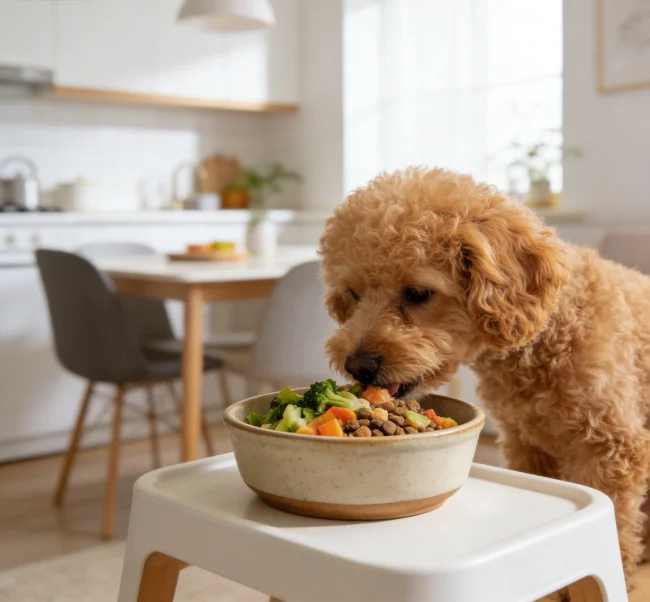
Verdict: The healthiest therapeutic food, clinically proven to manage specific medical conditions under veterinary supervision.
This selection underscores that “healthiest” can be medical. For dogs with chronic pancreatitis, digestive sensitivities, or conditions requiring a highly digestible, low-fat diet, this prescription formula is often the healthiest choice. It’s not an over-the-counter option; it’s a nutritional intervention.
Pros:
Cons:
Best For: Dogs diagnosed with gastrointestinal issues, pancreatitis, or other conditions where a specialized, low-fat, highly digestible diet is medically necessary.
Cost Estimate: Approximately $1.50 – $4.00 per day, depending on dog size and formula.
Side-by-Side Comparison of the Top 3
To help visualize the key differences, here is a direct comparison:
| Metric | The Farmer’s Dog (Fresh) | Orijen Original (Dry) | Royal Canin GI Low Fat (Rx) |
|---|---|---|---|
| Primary Protein | Fresh, Human-Grade Turkey/Beef | Fresh Chicken, Turkey, Fish | Highly Digestible Pork & Chicken Meal |
| Key Health Focus | Personalized Whole-Food Nutrition | High-Protein, Biologically Appropriate | Gut Health, Low-Fat Digestion |
| AAFCO Statement | Complete for All Life Stages | Complete for All Life Stages | Complete for Adult Maintenance |
| Format | Fresh, Cooked | Dry Kibble | Dry Kibble / Wet Loaf |
| Price Per Day (Avg.) | $$$ | $$ | $$ ($ with Rx) |
| Best For | Overall Health, Picky Eaters, Allergies | Active Dogs, Premium Kibble Seekers | Dogs with GI Issues, Pancreatitis |
The Science of “Healthy”: What Makes a Dog Food Truly Nutritious?
Beyond brands, understanding the core components of canine nutrition is crucial. A healthy dog food prioritizes high-quality, animal-based protein as its foundation—dogs are facultative carnivores. Fats should come from named sources like chicken fat or salmon oil, providing energy and supporting skin health. Carbohydrates, while not essential, should come from digestible, fiber-rich sources like sweet potatoes or oats, not cheap fillers. Crucially, the food must be “complete and balanced,” meaning it contains all essential vitamins and minerals in the correct ratios, as defined by AAFCO feeding trials or nutrient profiles. Vet’s Tip: The guaranteed analysis on the bag is a starting point, but the ingredient list and the manufacturer’s reputation for research and quality control tell the real story.
Honorable Mentions: Other Exceptional Contenders
While our top three represent the pinnacle in their respective categories, these brands also excel and deserve consideration:
How to Transition Your Dog to a New Food
Switching foods abruptly can cause digestive upset. Follow a gradual transition over 7-10 days:
Monitor your dog’s appetite, energy, and stool consistency throughout the process. If any significant issues arise, slow the transition or consult your veterinarian.
Frequently Asked Questions (FAQ)
Q: Is grain-free dog food healthier?
A: Not necessarily. For the vast majority of dogs, grains like oats, rice, and barley are healthy, digestible sources of carbohydrates, fiber, and nutrients. Grain-free diets became popular due to allergy concerns, but true grain allergies in dogs are rare. More common are allergies to animal proteins. The FDA has investigated a potential link between certain grain-free diets and canine dilated cardiomyopathy (DCM), but a direct cause has not been established. Consult your vet to decide what’s best for your individual dog.
Q: How much does the healthiest dog food cost per month?
A: Cost varies dramatically. Premium kibble like Orijen may cost $60-$120 per month for a medium-sized dog. Fresh subscription services like The Farmer’s Dog can range from $150 to $300+ per month. Prescription diets fall in between. While upfront cost is higher, investing in high-quality nutrition can potentially reduce future veterinary bills related to obesity, diabetes, and other diet-influenced conditions.
Q: Should I choose wet or dry food?
A: Both can be healthy. Wet food has higher moisture content, which is great for hydration and can be more palatable. Dry food (kibble) is more convenient, cost-effective, and can help with dental tartar. Many experts recommend a mixed feeding approach, incorporating both to reap the benefits of each. The quality of the ingredients is far more important than the format.
Q: How do I know if my dog’s current food is healthy?
A: Perform a “bag audit.” Check the AAFCO statement for completeness. The first 5 ingredients should be recognizable, high-quality items (named meats, whole vegetables). Avoid foods where corn, wheat, soy, or “by-products” are top ingredients, or those containing artificial colors/flavors. Observe your dog: a healthy diet typically results in a shiny coat, consistent energy, firm stools, and a healthy weight.
Q: Are “human-grade” ingredients really better?
A: Yes, from a quality and safety standard perspective. “Human-grade” means the ingredients and the final product are legally edible and approved for human consumption, adhering to stricter FDA and USDA regulations. Most pet food is “feed grade,” a lower regulatory standard. Human-grade ingredients generally imply superior sourcing, handling, and nutrient retention.
Q: How often should I change my dog’s food?
A: For a healthy dog on a high-quality, balanced diet, there’s no need to frequently change foods. In fact, sudden changes can cause GI issues. However, rotating between 2-3 trusted formulas from the same brand every few months can provide nutritional variety and may help prevent the development of sensitivities. Always transition slowly.
Q: What’s the #1 thing vets look for in a dog food?
A: Veterinarians prioritize the AAFCO statement of nutritional adequacy above all else. This ensures the food is complete and balanced. Next, they look for a brand with a long history of rigorous research, quality control, and safety (like Hill’s, Royal Canin, or Purina). They value evidence over marketing trends.
Final Recommendation and Next Steps
Choosing the healthiest dog food is one of the most impactful decisions you’ll make for your pet’s longevity and vitality. Our top three—The Farmer’s Dog for personalized fresh food, Orijen for biologically appropriate kibble, and Royal Canin Veterinary Diet for therapeutic needs—each excel for different reasons. Your next step is to match this information with your dog’s specific profile. Consider their age, activity level, any health concerns, and your budget. Schedule a conversation with your veterinarian, bringing this information with you. They can provide personalized guidance to help you select the optimal formula from these top-tier options, setting your dog on a path to a healthier, happier life.

Related Articles
 Dog Food Guide
Is There Really a Difference Between Cheap and Expensive Dog Food? A Vet-Approved Cost & Quality Guide
 Dog Food Guide
Is Heart to Tail Dog Food Good? A 2026 Vet-Reviewed Deep Dive
 Dog Food Guide
What Ingredients Should You Stay Away From in Dog Treats? A Vet-Approved Guide to Safe Snacking
 Dog Food Guide
What Is the Healthiest Dog Food in the UK? A 2026 Evidence-Based Guide
 Dog Food Guide
What Food Is Good for Dogs with Heart Problems? A Vets Guide to Cardiac Nutrition
 Dog Food Guide