
What Ingredients Should You Stay Away From in Dog Treats? A Vet-Approved Guide to Safe Snacking

As a concerned pet owner, asking “what ingredients should you stay away from in dog treats?” is one of the most important steps you can take for your dog’s long-term health. The answer is a list of specific artificial preservatives, sweeteners, and fillers that are commonly used to enhance flavor, appearance, and shelf life but are linked to serious health risks ranging from digestive upset to organ failure and cancer. This guide will not only name these harmful ingredients but will empower you with the knowledge to decode any treat label, transforming you from a confused consumer into a confident, informed advocate for your dog’s well-being.
Treats are a powerful tool for bonding and training, but they are not nutritionally balanced like a complete dog food. This means the cumulative effect of feeding snacks with low-quality or harmful ingredients can significantly impact your dog’s health over time. Many treats are marketed with appealing buzzwords like “natural” or “with real meat,” which can be misleading. The only way to know what you’re truly feeding your dog is to become fluent in reading the ingredient list, understanding that ingredients are listed by weight, from highest to lowest. This skill allows you to see past the marketing and make choices based on substance, ensuring every snack contributes positively to your dog’s vitality.
The Red Flag Ingredients: A Detailed Breakdown
Here, we move beyond a simple list to provide a deep, evidence-based analysis of the most concerning ingredients hiding in dog treats, explaining their purpose and the proven risks associated with them.
Propylene Glycol
Artificial Preservatives (BHA, BHT, Ethoxyquin)
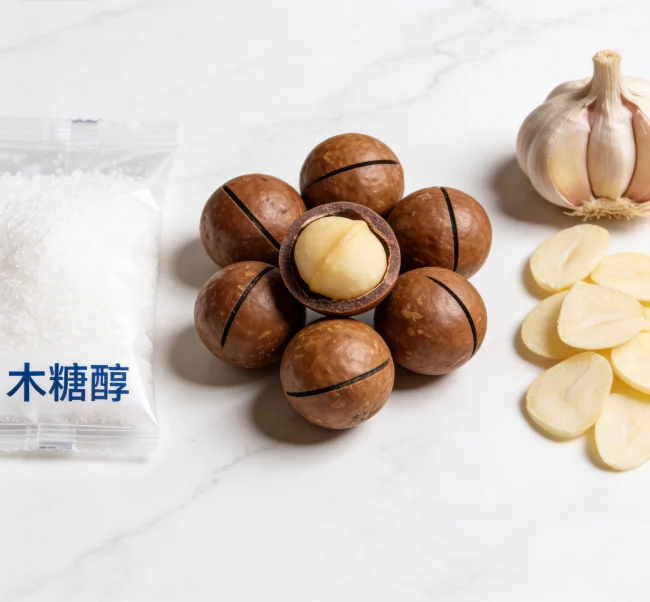
Xylitol and Artificial Sweeteners
Artificial Colors (Red 40, Blue 2, Yellow 5 & 6)
Meat Meals and By-Products (Unspecified Sources)
How to Decode a Dog Treat Label: A Practical Guide
Knowing what to avoid is half the battle; understanding how to spot these ingredients and their aliases is the other. Here is a practical guide to reading a label, using a visual approach.
Imagine a treat bag label. The front says “Delicious Beefy Bites – Natural Flavor!” Turn it over. The ingredient panel reads:
A high-quality treat label will look dramatically different. The first ingredient will be a named whole meat (e.g., “Deboned Chicken,” “Salmon”). Fillers like corn and wheat will be absent or very low on the list. Preservation will come from “Mixed Tocopherols (a source of Vitamin E)” or “Rosemary Extract.” The list will be short, recognizable, and free from the red flags listed above.
To help you shop, here is a table of common harmful ingredients and their aliases to watch for:
| Ingredient Category | Primary Name to Avoid | Avoid These Aliases Too |
|---|---|---|
| Sweeteners | Xylitol | “Sugar-free,” “Birch sugar,” in any human peanut butter or baked goods. |
| Preservatives | BHA, BHT, Ethoxyquin | Look for “(preserved with…)” notes next to fats/oils. |
| Fillers & Proteins | Unspecified Meat Meal, By-Products | “Animal digest,” “animal fat,” “meat and bone meal” without a named source. |
| Sugars & Carbs | Excessive Sugars | Corn syrup, molasses, sucrose, fructose, any form of sugar in the first 5 ingredients. |
| Artificial Colors | FD&C Colors (Red 40, etc.) | Any color followed by a number. |
Your Actionable Safe-Treat Checklist
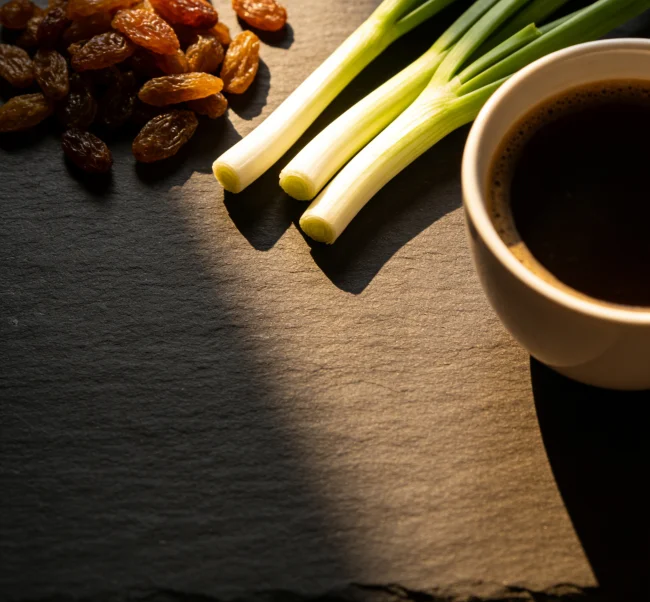
Equip yourself with this positive checklist for your next shopping trip. Prioritize treats that feature:
Special Considerations for Dogs with Health Conditions
If your dog has a specific health issue, your treat scrutiny must be even more rigorous. Here are tailored guidelines:
Frequently Asked Questions (FAQ)
Q: Is xylitol the only sweetener dangerous for dogs?
While xylitol is the most acutely toxic, other artificial sweeteners like aspartame are not recommended. They offer no health benefits and can cause gastrointestinal upset in some dogs. It’s best to choose treats with no added sweeteners of any kind.
Q: Are “grain-free” treats automatically safer?
Not necessarily. The grain-free trend was driven by concerns over allergies, but grains like oats and brown rice are healthy for most dogs. The real issue with some grain-free products has been the use of legumes (peas, lentils) as fillers, which were investigated for a potential link to Dilated Cardiomyopathy (DCM). Focus on the overall ingredient quality, not just the absence of grains.
Q: What about rawhide and bully sticks? Are they safe?
These are chews, not treats, and come with separate risks. Rawhide can cause choking, blockages, and is often processed with harmful chemicals. Bully sticks are high in fat and calories and can be a bacterial risk if not sourced properly. Always supervise your dog with any chew and choose products from reputable, transparent manufacturers.
Q: I see “natural flavors” on the label. Is that bad?
“Natural flavors” is a broad term that can be acceptable, but it lacks transparency. It’s preferable when a brand specifies the source, e.g., “natural chicken flavor.” If the rest of the ingredient list is high-quality, “natural flavors” alone is not a major red flag, but it’s not as ideal as a whole food ingredient.
Q: Are homemade treats always the best option?
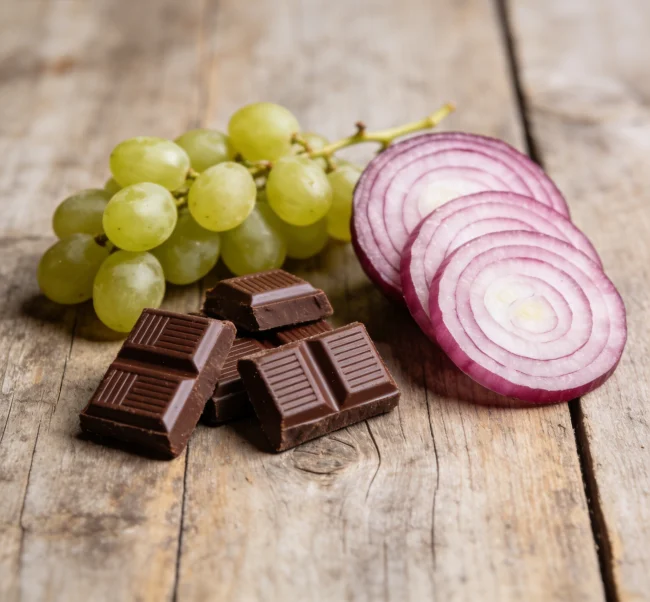
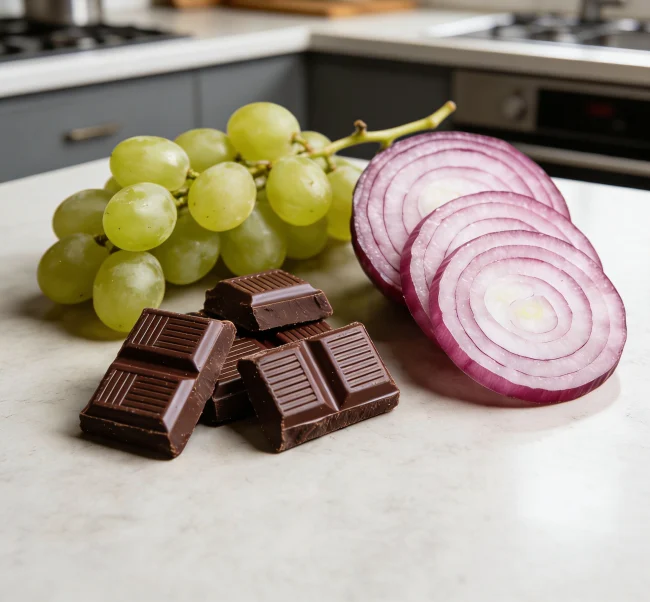
Homemade treats give you complete control over ingredients, which is a major advantage. However, you must ensure they are nutritionally appropriate. Avoid using toxic ingredients like onions, garlic, grapes, chocolate, and excessive salt or fat. Consult a veterinary nutritionist for balanced recipes if treats will constitute a significant part of the diet.
Q: How can I tell if a treat is making my dog sick?
Signs can include vomiting, diarrhea, lethargy, excessive thirst, skin irritations (itching, redness), or behavioral changes after consuming a new treat. Discontinue the treat immediately and consult your veterinarian if symptoms are severe or persistent.
Q: What are the absolute safest treat choices?
The safest bets are single-ingredient, minimally processed treats from trusted brands. Examples include:
Empowering yourself with this knowledge transforms you from a passive consumer into an active guardian of your dog’s health. By learning to decode labels, understanding the “why” behind each harmful ingredient, and using the provided safe-treat checklist, you can confidently navigate the pet treat aisle. Remember, every treat is a choice. Choose ingredients that nourish, support longevity, and provide peace of mind, ensuring your dog enjoys their snacks as much as you enjoy giving them.

Related Articles
 Dog Food Guide
Is Smartheart Dog Food Vet Recommended? A Vets Detailed Analysis
 Dog Food Guide
What Is the Healthiest Dog Food in the UK? A 2026 Evidence-Based Guide
 Dog Food Guide
Is There Really a Difference Between Cheap and Expensive Dog Food? A Vet-Approved Cost & Quality Guide
 Dog Food Guide
What Are the Ingredients in ALDI Heart to Tail Dog Food? A Full List & Expert Analysis
 Dog Food Guide
What Does Oprah Feed Her Dog? Verified Facts & Vet Advice
 Dog Food Guide