





What Brand of Dog Food Do Most Vets Recommend? A 2026 Guide to Science-Backed Nutrition

When pet owners search for “what brand of dog food do most vets recommend,” they are typically seeking a trustworthy, science-backed answer to one of the most important decisions for their dog’s health. The core question isn’t just about a brand name; it’s about finding a nutritionally complete, safe, and effective diet that veterinary professionals trust for their own pets and patients. The direct answer is that most veterinarians recommend brands that meet the highest standards of nutritional science, manufacturing quality, and research, with names like Hill’s Science Diet, Royal Canin, and Purina Pro Plan consistently appearing at the top of professional surveys and veterinary feeding trials.
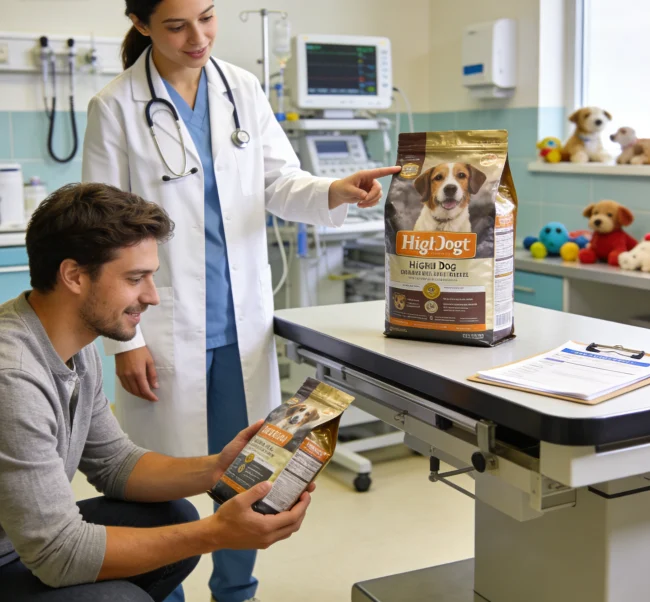
However, the “most recommended” brand isn’t a one-size-fits-all solution. The best choice depends entirely on your individual dog’s age, breed, size, and any specific health conditions. This article will not only list the brands veterinarians trust most but will delve into the why behind those recommendations, examining the rigorous science, quality control, and clinical evidence that sets these foods apart. We’ll provide you with a clear framework to evaluate any dog food, understand veterinary nutrition principles, and make the most informed choice for your canine companion.
Veterinarians don’t simply recommend brands based on marketing or popularity. Their endorsements are grounded in a set of global standards created by the World Small Animal Veterinary Association (WSAVA). These guidelines provide a checklist for pet food manufacturers, and the brands most often recommended are those that consistently meet or exceed them. The core principles include:
Top Veterinary-Recommended Dog Food Brands (2026 Analysis)

Based on surveys of veterinary professionals, continuing education content, and clinical usage, three brands form the core of most veterinary recommendations. The following table compares their key strengths and typical use cases.
| Brand | Key Strength & Philosophy | Notable Product Lines | Ideal For |
|---|---|---|---|
| Hill’s Science Diet | Pioneer in clinical nutrition. Focuses on foods for specific health needs (e.g., kidney, urinary, digestive) backed by extensive research. | Science Diet (lifelong wellness), Prescription Diet (therapeutic). | Dogs with specific health concerns, owners seeking a vet-developed wellness diet. |
| Royal Canin | Breed-specific and size-specific nutrition. Deep focus on precise kibble shape, texture, and nutrient blends tailored to unique physiological needs. | Breed Health Nutrition, Size Health Nutrition, Veterinary Diet. | Purebred dogs, owners who want highly tailored nutrition for their dog’s breed or size. |
| Purina Pro Plan | Performance and life stage nutrition. Offers a wide variety of formulas (sport, sensitive skin & stomach, bright mind) with a strong focus on palatability. | Pro Plan Sport, Savor, Shredded Blend, Veterinary Diets. | Active dogs, picky eaters, and those needing a high-performance or highly palatable diet. |
It’s important to note that other high-quality brands like Iams and Eukanuba (both under Mars Petcare) also follow WSAVA guidelines and are frequently recommended, often positioned as excellent choices within their respective price points.
Why Don’t Vets Always Recommend “Boutique” or Grain-Free Diets?

This is a crucial part of understanding veterinary recommendations. In the mid-2020s, the U.S. FDA continued investigating a potential link between certain diets, particularly those labeled “grain-free” and containing legumes (peas, lentils) or potatoes as main ingredients, and a heart disease called Dilated Cardiomyopathy (DCM) in dogs not genetically prone to it. As of 2026, while a definitive causal mechanism is still being studied, the statistical association has led major veterinary cardiology associations to caution against feeding grain-free diets unless medically necessary.
Veterinarians tend to recommend the established brands because:
How to Evaluate Any Dog Food Like a Veterinarian

You can apply a vet’s critical eye to any bag of dog food. Look for these key elements on the label and the company’s website:
The Critical Role of Your Own Veterinarian
The “most recommended” brand is a starting point, but your veterinarian is the ultimate resource. They will consider:
A 2025 survey by the American Animal Hospital Association (AAHA) found that over 90% of veterinarians believe nutrition is as important as medication in managing chronic diseases like arthritis, kidney disease, and obesity. A consultation with your vet is an investment in your dog’s long-term health.
Case Study: Managing Canine Obesity with a Veterinary Diet
Consider “Max,” a 7-year-old neutered Beagle who is 35% over his ideal body weight. His owner was feeding a standard adult maintenance food. The veterinarian recommended a switch to a Purina Pro Plan OM Overweight Management or Hill’s Science Diet Perfect Weight formula.
These diets are:
Within six months, under veterinary guidance, Max reached his ideal weight, his mobility improved, and his risk for weight-related diseases (diabetes, arthritis) decreased significantly. This illustrates how a veterinarian-recommended therapeutic diet can directly solve a common health problem.
Frequently Asked Questions (FAQ)
Q: Why do vets recommend brands you find at big pet stores or their clinics?
Vets recommend brands that have proven their safety, efficacy, and nutritional completeness through scientific research and feeding trials. These large companies invest significantly in this research, quality control, and employ specialized nutritionists. Availability in clinics and stores is a result of their proven track record, not the cause of the recommendation.
Q: Is prescription dog food from the vet really necessary?
For healthy pets, a high-quality over-the-counter “wellness” diet from a recommended brand is often sufficient. Prescription or therapeutic diets (like Hill’s k/d for kidney disease or Royal Canin Gastrointestinal Low Fat) are formulated to manage specific medical conditions. They contain precise nutrient levels that act as part of the treatment plan and should only be used under veterinary supervision.
Q: Are more expensive dog foods always better?
Not necessarily. Price can reflect ingredient sourcing, marketing, and niche positioning (e.g., organic, novel protein). The value metric for vets is evidence-based nutrition. Brands like Purina Pro Plan, Iams, and Eukanuba often offer excellent nutrition at a mid-range price point while still adhering to WSAVA guidelines. Focus on the criteria (AAFCO statement, feeding trials, company expertise) rather than price alone.
Q: My dog has a sensitive stomach. What would a vet recommend?
Vets often start with a diet from a recommended brand that is specifically formulated for sensitive digestion, such as Purina Pro Plan Sensitive Skin & Stomach (with salmon or lamb) or Hill’s Science Diet Sensitive Stomach & Skin. These diets typically feature a single, novel animal protein source and easily digestible carbohydrates, and are designed to be gentle on the GI tract.
Q: What about raw diets or homemade food?
Most veterinarians and veterinary nutritionists caution against raw diets due to risks of bacterial contamination (for both pets and humans) and nutritional imbalances. If you are interested in a homemade diet, it is essential to consult with a board-certified veterinary nutritionist (find one at acvn.org). They can create a balanced recipe tailored to your dog, which often requires specific supplements to be complete.
Q: How often should I discuss my dog’s diet with my vet?
You should review your dog’s diet during every annual wellness exam. This is the time to discuss weight changes, energy levels, stool quality, and any new health concerns. Nutritional needs evolve with age and health status, so regular check-ins ensure your dog’s food remains the best choice for their current life stage.
Q: Can I mix wet and dry food from these recommended brands?
Absolutely. This is often encouraged. Mixing a high-quality canned food with kibble can increase palatability and hydration. Ensure both foods are appropriate for your dog’s life stage and health needs. Brands like Royal Canin and Hill’s make complementary wet and dry formulas designed to work together.
Choosing the right dog food is one of the most significant long-term health decisions you’ll make for your pet. While brands like Hill’s Science Diet, Royal Canin, and Purina Pro Plan are consistently at the forefront of veterinary recommendations, the ultimate “best” food is the one that is complete, balanced, and tailored to your individual dog’s needs. Use the WSAVA guidelines as your benchmark, read labels critically, and prioritize brands that invest in science over marketing. Remember, your veterinarian is your strongest ally in this process. Schedule a nutritional consultation, bring the bag of food you’re considering, and work together to build a dietary plan that supports a long, vibrant, and healthy life for your dog. Start by looking for that AAFCO statement and the name of a board-certified veterinary nutritionist behind the formula—it’s the first step toward feeding with confidence.

Related Articles
 Dog Food Guide
Who Makes Heart to Tail Products? The Manufacturers Revealed
 Dog Food Guide
What Is the Healthiest Dog Food in the UK? A 2026 Evidence-Based Guide
 Dog Food Guide
Is There Really a Difference Between Cheap and Expensive Dog Food? A Vet-Approved Cost & Quality Guide
 Dog Food Guide
Is Tails Dog Food Vet Approved? The Vet-Formulated Truth
 Dog Food Guide
What Food Is Good for Dogs with Heart Problems? A Vets Guide to Cardiac Nutrition
 Dog Food Guide