




Which Is Better, Royal Canin or Hills? A Vets Decision Guide

The question “Which is better, Royal Canin or Hill’s?” is one of the most common dilemmas faced by pet owners. It reflects a deep desire to make the best, safest choice for your companion’s health. However, as a veterinary nutritionist with over a decade of clinical experience, I must first reframe the premise: asking which brand is superior is often the wrong starting point. The truly better choice is the specific nutritional formulation that best addresses your individual pet’s age, breed, lifestyle, and, most critically, any health conditions. Both Royal Canin and Hill’s Science Diet are industry-leading brands with robust scientific research, veterinary endorsement, and extensive product lines. This article will not give a simplistic brand-versus-brand verdict. Instead, it provides an evidence-based decision framework, comparing their approaches across different needs, so you can move beyond the brand debate and make an informed, personalized choice with your veterinarian.
Before comparing products, it’s essential to understand why these two brands dominate veterinary recommendations. Both Royal Canin and Hill’s Pet Nutrition invest heavily in clinical research, often conducting feeding trials that meet or exceed AAFCO (Association of American Feed Control Officials) standards. Their prescription diet lines (Hill’s Prescription Diet and Royal Canin Veterinary Diet) are developed to manage specific medical conditions like kidney disease, urinary issues, and food allergies. This research-backed, condition-specific approach is what sets them apart from many “premium” over-the-counter brands. The trust from veterinarians stems from decades of observable clinical outcomes and consistent formulation, not from marketing.
The Core Decision Matrix: It’s About Your Pet’s Profile
The most critical step is to shift your focus from the brand logo to a clear assessment of your pet. Use this matrix as your guide.
Primary Consideration: Health Status
Secondary Considerations:
Comparison for Healthy Adult Pets: Maintenance Diets
For pets without specific medical needs, both brands offer excellent science-led maintenance lines. Here, we can compare typical formulas on key metrics.
| Criteria | Hill’s Science Diet Adult Perfect Digestion (Chicken) | Royal Canin Adult Dry Dog Food | Key Insight |
|---|---|---|---|
| Primary Protein Source | Chicken, Chicken Meal | Chicken By-Product Meal, Brewers Rice | Hill’s leads with named meat meals. Royal Canin uses by-product meal, which is nutritionally dense but less appealing on a label. |
| Notable Functional Ingredients | ActivBiome+® Technology (prebiotic fiber blend), Omega-6s & Vitamin E | Prebiotics (FOS), EPA/DHA, Balanced Fiber Blend | Both emphasize digestive health through proprietary fiber/prebiotic blends. Hill’s recently launched its ActivBiome+® platform with significant research investment. |
| Average Price per Day (30lb dog) | $1.40 – $1.60 | $1.30 – $1.50 | Costs are comparable, with minor fluctuations based on retailer and promotions. |
| Common Palatability Feedback | Often praised for consistent taste; some picky eaters prefer it. | Highly palatable for most dogs; kibble shape is breed-specific in some lines. | Palatability is highly individual. Royal Canin’s variety of kibble shapes/textures can be a deciding factor. |
Verdict for Healthy Pets: There is no clear “better” brand. Hill’s may appeal to owners focused on a simpler protein list, while Royal Canin’s strength lies in its targeted breed and size formulations. A trial with small bags is the best test.
Comparison for Pets with Health Conditions: Prescription Diets
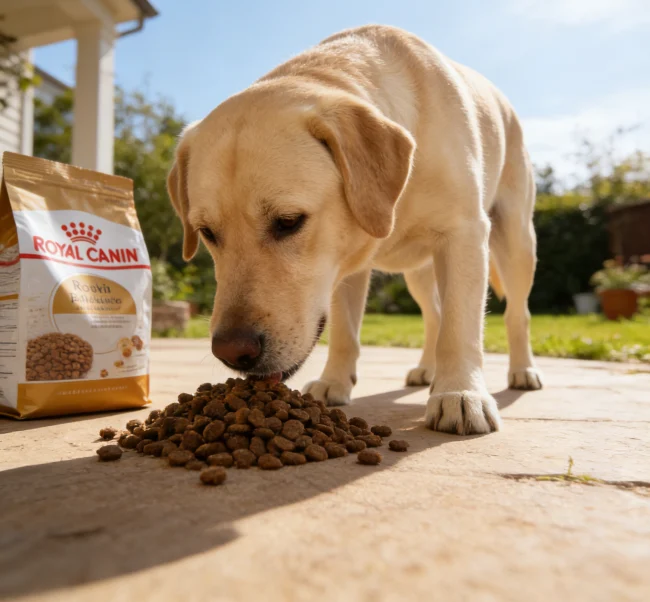
This is where the core medical philosophy of each brand becomes apparent. Both are effective, but their nutritional strategies for managing the same condition can differ.
| Common Condition | Hill’s Prescription Diet Strategy | Royal Canin Veterinary Diet Strategy | Clinical Consideration |
|---|---|---|---|
| Urinary Health (e.g., Struvite Stones) | c/d Multicare: Focuses on reducing urinary pH, providing controlled minerals, and using antioxidants. Often promotes increased water intake. | Urinary SO: Uses a dual approach: lowering urine pH and providing a low level of precursors for stones. Contains specific nutrients to support the bladder lining. | Both are clinically proven. The choice may depend on your pet’s urine chemistry (pH, specific gravity) as assessed by your vet. |
| Gastrointestinal Sensitivity | i/d Digestive Care: Features ActivBiome+® prebiotic fiber and is highly digestible with moderate fat. Often recommended for acute and chronic issues. | Gastrointestinal Low Fat (LF) or Fiber Response: Offers more specificity: Low Fat for pancreatitis risk, High Fiber for colitis. Uses a blend of prebiotics (FOS & MOS). | Royal Canin provides more sub-options. For a dog with pancreatitis, the Low Fat formula is explicitly targeted. For general sensitivity, Hill’s i/d is a superb all-rounder. |
| Food Allergies / Dermatitis | z/d (Zero Dermatologic) or d/d: z/d uses hydrolyzed protein (chicken protein broken down so the immune system doesn’t recognize it). d/d uses novel single protein sources like duck or salmon. | Anallergenic or Selected Protein: Anallergenic uses hydrolyzed soy protein and is truly hypoallergenic. Selected Protein lines use novel sources like rabbit or venison. | For severe allergies, hydrolyzed diets (Hill’s z/d, Royal Canin Anallergenic) are the gold standard. For suspected intolerances, novel protein diets are excellent. Availability of novel protein (e.g., rabbit vs. duck) may decide. |
Verdict for Medical Diets: Your veterinarian’s prescription is paramount. They will select based on the specific diagnostic findings, your pet’s response in clinic, and sometimes which diet’s macronutrient profile (fat, fiber, protein type) best fits the full clinical picture.
Palatability and Transition: The Real-World Hurdle
A 2025 survey of veterinary practices found that over 30% of pet owners struggle when a prescribed diet is initially rejected. Here’s how the brands compare and strategies to help:
Strategy if Your Pet Refuses: 1) Transition slowly over 7-10 days, mixing with old food. 2) Warm wet food or add a vet-approved low-sodium broth to dry food. 3) Ensure the food is fresh. 4) Consult your vet—sometimes a different formula within the same therapeutic line (e.g., wet vs. dry, different flavor) can work.
Cost Analysis: Understanding Long-Term Value
The higher price point of these brands is a frequent concern. A proper analysis looks beyond the bag.
Insider Perspective: R&D and Manufacturing Philosophy
A key differentiator often missed in comparisons is corporate philosophy.
This difference in focus—body system health (Hill’s) versus breed-specific design (Royal Canin)—can be a subtle but meaningful factor in your choice.
Making Your Final Decision: A Step-by-Step Guide
Frequently Asked Questions (FAQ)
Q: Do vets get paid to recommend Royal Canin or Hill’s?
A: No, veterinarians do not receive direct commissions for selling specific food brands. Their recommendations are based on clinical evidence, observed patient outcomes, and trust in the companies’ research and quality control. Clinics may stock these brands for client convenience, with any profit supporting the practice’s operations.
Q: My pet has a sensitive stomach. Which brand is gentler?
A: Both brands have excellent gastrointestinal lines. Hill’s Science Diet Sensitive Stomach & Skin and Prescription Diet i/d are top choices. Royal Canin’s Gastrointestinal series and Sensitive Digestion formulas are also highly effective. The “gentler” option depends on whether the sensitivity is to fat, fiber, or a specific protein. Your vet can help identify the trigger.
Q: Are by-products in Royal Canin bad for my dog?
A: Not at all. “Chicken by-product meal” is a concentrated, highly digestible source of protein, vitamins, and minerals from clean parts like organs. It is a nutritious ingredient, not a filler. The negative perception is a marketing myth, not a nutritional concern.
Q: Can I mix Royal Canin and Hill’s food?
A: It is generally not recommended, especially for prescription diets, as it can dilute the precise nutritional balance intended to manage a health condition. For healthy pets on maintenance diets, a gradual transition from one to the other is fine, but routinely mixing may cause digestive upset and makes it hard to identify the source of any issues.
Q: Which brand is better for small breed dogs?
A: Both have excellent small breed formulas. Royal Canin is renowned for its breed-specific tailoring (e.g., Chihuahua, Maltese). Hill’s Science Diet Small Paws offers targeted nutrition for tiny jaws and high energy needs. The best choice depends on your individual dog’s preference and any specific health predispositions.
Q: Why is prescription food so expensive?
A: The cost reflects intensive research, clinical trials, high-quality ingredient sourcing, and specialized manufacturing for precise nutrient levels. You are paying for science that can effectively manage chronic diseases, potentially saving much more in avoided medical costs over your pet’s lifetime.
Q: My cat is a picky eater. Which brand should I try?
A: Cats can be notoriously selective. Royal Canin is often celebrated for its palatability in feline formulas due to kibble texture and aroma. Hill’s has greatly improved palatability in its newer lines. Starting with a variety pack of wet food from either brand to test your cat’s preference is a wise strategy.
Q: Are grain-free options available from these brands?
A: Both brands have moved cautiously regarding grain-free diets due to ongoing research into a potential link with Dilated Cardiomyopathy (DCM) in dogs. They focus instead on using high-quality, digestible grains like rice and barley. They offer limited grain-free options, primarily within their novel protein prescription lines for allergies, not as a mainstream choice.
Q: How long should I feed a prescription diet?
A: This is entirely dependent on the condition. Some diets, like for urinary crystal dissolution, may be short-term. Others, like for chronic kidney disease, heart disease, or severe allergies, are lifelong. Never stop a prescription diet without consulting your veterinarian.
Q: Where is the best place to buy Royal Canin and Hill’s?
A: The most reliable sources are your veterinary clinic and authorized online retailers (e.g., Chewy, Petco, Petsmart). Buying from unauthorized sellers risks expired, improperly stored, or counterfeit products. Prescription diets legally require a vet’s authorization.
In the debate between Royal Canin and Hill’s, the winner is always your pet’s specific health. These are not competing sports teams but two elite scientific research institutions with slightly different playbooks. Your most powerful tool is a partnership with your veterinarian. Use the frameworks and comparisons here to ask informed questions, understand the why behind a recommendation, and become an active participant in your pet’s nutritional care. By focusing on precise needs over brand loyalty, you ensure your companion receives the best possible nutrition for a long, healthy life.

Related Articles
 Dog Food Guide
What Is the Healthiest Dog Food in the UK? A 2026 Evidence-Based Guide
 Dog Food Guide
Is Tails Dog Food Good Quality? A 2026 Review with Real User Feedback
 Dog Food Guide
What Are the Customer Reviews of Heart to Tail? An Expert & Customer Analysis
 Dog Food Guide
Is Tails Dog Food Vet Approved? The Vet-Formulated Truth
 Dog Food Guide
Is Heart to Tail Dog Food Good? A 2026 Vet-Reviewed Deep Dive
 Dog Food Guide