



Which Is the No. 1 Cat Food Brand? Our 2026 Vet-Informed Guide

The question “Which is the No. 1 cat food brand?” is one of the most common yet complex queries from cat owners. The truth is, there is no single “best” brand that fits every cat. The true number one brand is the one that best meets your individual cat’s nutritional needs, health status, and your budget. This definitive guide for 2026 cuts through the marketing noise. We will provide a clear, vet-informed framework for evaluation, present our top picks for specific needs, and deliver the side-by-side comparison you need to make a confident, informed decision for your feline companion.
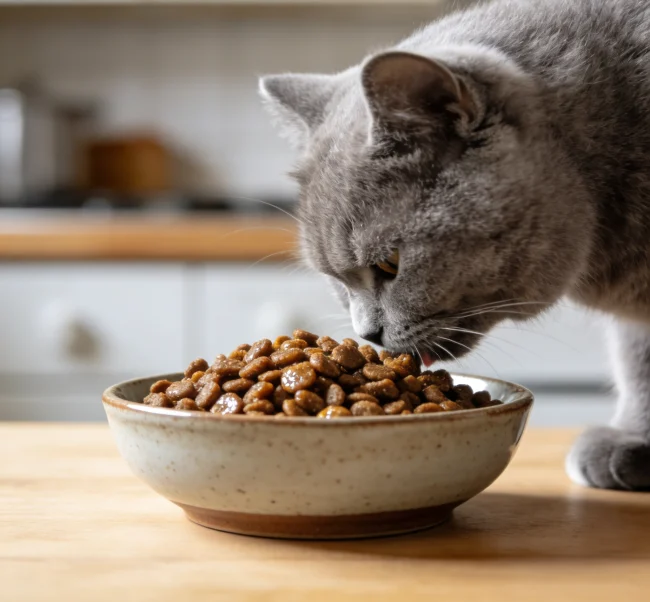
Before diving into the detailed methodology and reviews, here is a quick-reference guide to our top recommendations based on specific scenarios. This table is designed to give you an immediate starting point.
| Category | Our Top Pick | Key Reason | Best For |
|---|---|---|---|
| Best Overall (Premium) | Smalls | Human-grade, fresh ingredients; high moisture content mirrors a cat’s natural diet. | Owners prioritizing species-appropriate nutrition above cost. |
| Best for Sensitive Stomachs | Hill’s Science Diet Sensitive Stomach & Skin | Vet-formulated, highly digestible ingredients with prebiotic fiber for gut health. | Cats with frequent digestive upset, vomiting, or loose stools. |
| Best Value (Dry Food) | Purina ONE +Plus | Excellent ingredient quality and targeted nutrition at a mid-range price point. | Owners seeking a nutritionally complete diet without a premium price tag. |
| Best for Weight Management | Royal Canin Weight Care | Scientifically calibrated fiber and protein blend to promote satiety and lean muscle. | Overweight or less active indoor cats needing portion-controlled nutrition. |
How We Evaluate Cat Food: Our Transparent Methodology
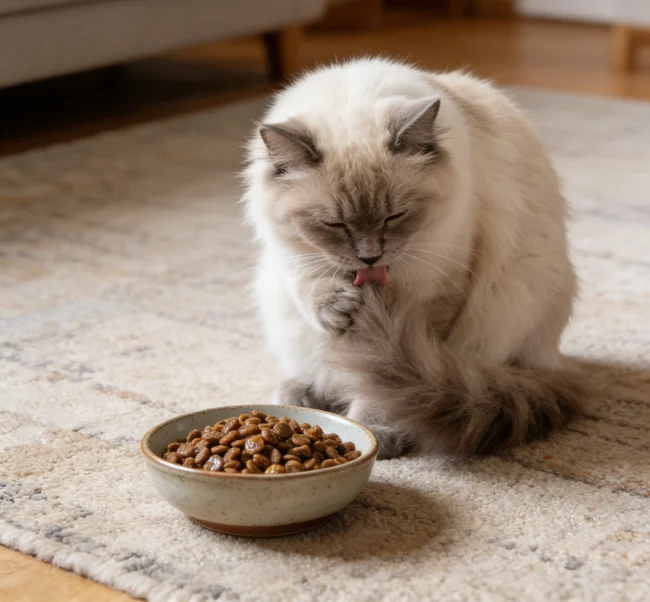
Our recommendations are not based on popularity or marketing. They are grounded in a rigorous, multi-point evaluation system developed with input from veterinary nutritionists. We believe transparency is the foundation of trust. Here are the core criteria we analyze for every brand:
In-Depth Reviews of Leading Cat Food Brands
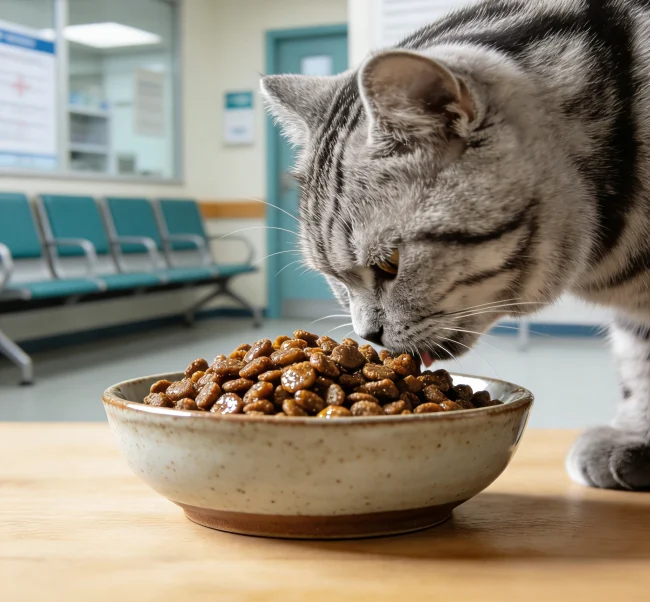
Here, we break down the top contenders, providing the detailed analysis you won’t find in simple listicles.
Smalls
Overview: Smalls is a direct-to-consumer brand offering fresh, human-grade cat food delivered to your door. It represents the pinnacle of the “fresh food” movement for pets.
Hill’s Science Diet
Overview: A science-driven brand developed by veterinarians and nutritionists, widely recommended in veterinary clinics worldwide.
Purina ONE +Plus
Overview: Purina ONE strikes an effective balance between quality nutrition and accessibility, offering targeted formulas for various needs.
The Definitive Comparison Table
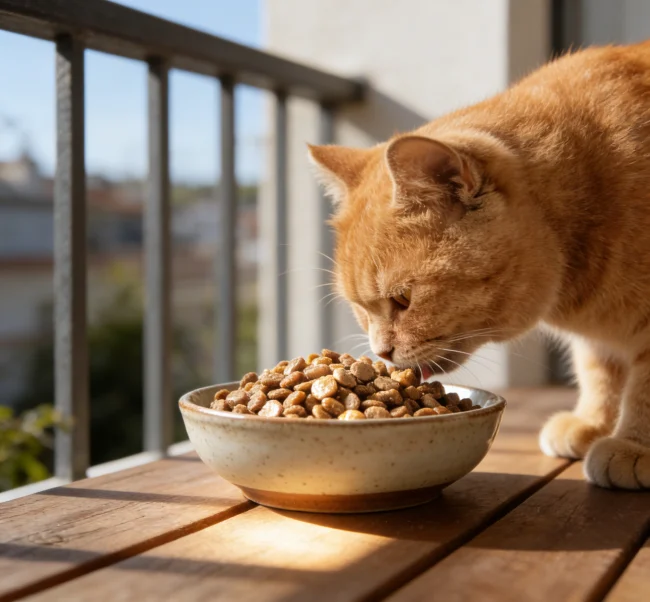
This comprehensive table addresses a key gap in competitor content, allowing you to directly compare the leading brands across all critical metrics.
| Brand | Price Tier | Primary Protein (Sample) | Key Nutritional Highlight | AAFCO Life Stage | Common Allergens Present |
|---|---|---|---|---|---|
| Smalls | Premium | Fresh Chicken | Human-grade, High Moisture (75%+) | Adult Maintenance | None (Single Protein Options) |
| Hill’s Science Diet | Mid-High | Chicken Meal | Clinically Proven Antioxidant Blend | All Life Stages (varies) | Corn, Wheat, Soy (in some formulas) |
| Purina ONE +Plus | Mid-Range | Real Turkey | Dual Defense Antioxidant System | Adult, Kitten, Senior | Corn Gluten Meal, Soy |
| Royal Canin | Mid-High | Chicken By-Product Meal | Breed-Specific & Health-Focused Formulas | All Life Stages (varies) | Wheat, Corn, Soy |
| Blue Buffalo Wilderness | Mid-Range | Deboned Chicken | Grain-Free, LifeSource Bits (Antioxidants) | Adult, Kitten | None (Grain-Free formulas) |
How to Choose: A Decision-Making Guide for Your Cat
Use this framework to move from general information to a personalized choice.
First, Assess Your Cat’s Profile:
Second, Evaluate Practical Factors:
Frequently Asked Questions (FAQ)
Q: Is there really one “No. 1” cat food brand?
A: No. The concept of a single “best” brand is a myth. The top brand is the one that is AAFCO-complete, made with quality ingredients, and perfectly matches your individual cat’s age, health, and dietary tolerances. Our top picks are leaders in specific categories, not a universal winner.
Q: Is grain-free food better for cats?
A: Not necessarily. While some cats are genuinely allergic to grains, most are not. The FDA has investigated a potential link between certain grain-free diets (those high in legumes like peas and lentils) and Dilated Cardiomyopathy (DCM) in dogs and cats. Unless your vet diagnoses a grain allergy, high-quality grains can be a digestible source of energy and fiber.
Q: Should I feed wet food, dry food, or both?
A: A combination is often ideal. Wet food provides essential moisture, which is critical for kidney and urinary tract health. Dry food can be convenient and help with dental tartar. Many experts recommend a diet that is at least 50% wet food to ensure adequate hydration.
Q: How do I know if my cat’s food is high quality?
A: Look for a named animal protein as the #1 ingredient, an AAFCO nutritional adequacy statement, and the absence of artificial colors, flavors, and preservatives. A shorter, recognizable ingredient list is often a good sign. Research the brand’s recall history and manufacturing standards.
Q: How often should I change my cat’s food?
A: Cats are creatures of habit, and sudden changes can cause digestive upset. If you need to switch foods, do so gradually over 7-10 days, mixing increasing amounts of the new food with the old. There’s no need to rotate foods constantly if your cat is thriving on their current diet.
Q: Are by-products bad in cat food?
A: Not inherently. “By-products” (like liver, lungs, heart) are organ meats that are highly nutritious and palatable for cats. The concern is with low-quality, unspecified by-products. High-quality brands use named by-products (e.g., “chicken liver”) which are excellent sources of vitamins and minerals.
Q: What does “complete and balanced” mean?
A: This means the food contains all the nutrients (proteins, fats, vitamins, minerals) in the correct ratios that a cat needs for the specified life stage, as defined by AAFCO feeding trials or nutrient profiles. It is the most important label claim to look for.
In conclusion, the journey to find the best cat food is personal. By focusing on your cat’s unique needs, understanding ingredient labels, and using our comparative analysis, you can move beyond the search for a mythical “No. 1” and confidently select the true top-tier food for your feline friend. Start by consulting your vet, especially for cats with health issues, and use our top picks table as a trusted guidepost for your 2026 decision.

Related Articles
 Cat Food Guide
What Is the Healthiest Food for a Cat? A Vets Guide to Optimal Nutrition
 Cat Food Guide
What Is the Best Wet Cat Food for Picky Eaters? A Vet-Approved Strategy
 Cat Food Guide
What treat is irresistible to cats? A Vets Guide to Feline Taste & Top Picks
 Cat Food Guide
Is Hypoallergenic Cat Food Really Work? A Vets Evidence-Based Guide
 Cat Food Guide
What Are the Top 5 Healthiest Cat Foods for Indoors? A Vet-Verified Guide for 2026
 Cat Food Guide