




What treats do cats love the most? A Science-Based Guide to Feline Taste

Every cat owner has asked themselves this question while holding a bag of ignored goodies: what treats do cats love the most? The answer isn’t a single magic flavor, but a fascinating blend of feline biology and individual personality. Your cat’s favorite treat is determined by their unique “purr-sonality” profile, driven by an evolutionary toolkit of taste and smell receptors fine-tuned for meat. This guide goes beyond a simple list to combine the science of feline senses with a practical framework for discovery, ensuring you can find the irresistible reward that strengthens your bond and supports their health.
To understand what your cat loves, you must first understand how they experience food. Unlike humans, cats are obligate carnivores with taste buds wired for survival. They lack receptors for sweetness but possess a heightened sensitivity to amino acids, particularly those found in meat, which register as the savory “umami” flavor. This is why protein-rich treats like chicken, salmon, and liver are consistently top contenders. More critical than taste, however, is smell. A cat’s olfactory system is about 14 times more powerful than ours. A strong, meaty aroma is often the primary trigger for their interest. Texture plays the third key role, satisfying natural instincts to chew (for dental health) or lick (for comfort). This biological blueprint explains the universal appeal of certain treat categories, which we’ll explore next.
Discover Your Cat’s Treat Profile: A Step-by-Step Guide
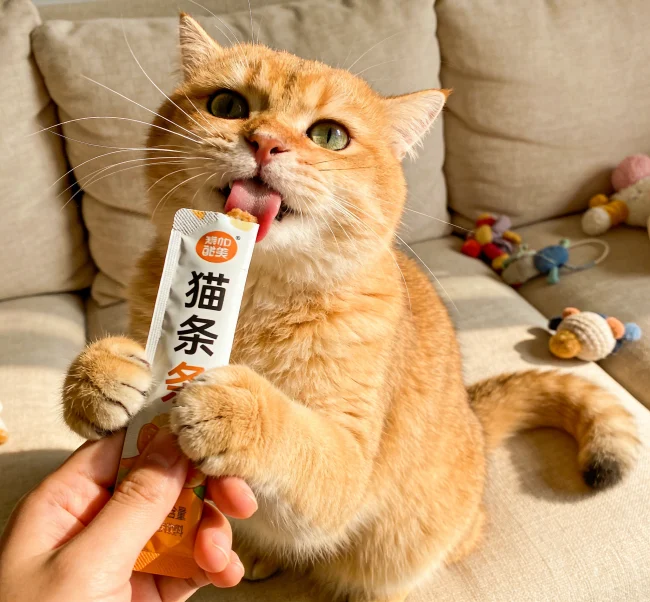
Is your cat a Cruncher, a Licker, or a Hunter? Finding their favorite is a process of observation. Start by offering a small “taste test” of different types over a few days. Observe not just if they eat it, but how: eager pouncing, cautious sniffing, or batting it around? Use the guide below to identify their primary preference profile.
Treat ProfileKey CharacteristicsWhat It SatisfiesThe CruncherLoves dry, kibble-like treats or dental sticks. You’ll hear enthusiastic chewing.Instinct to chew, promotes dental health, provides auditory feedback.The Licker (Paste Lover)Goes wild for creamy purées, lickable treats, or squeezable gels. Minimal chewing.Sucking/licking instinct (like nursing), often high-aroma, easy to consume.The HunterPrefers freeze-dried or dehydrated whole meats (shrimp, minnows, chicken hearts). May “play” with the treat first.Raw, primal hunting instinct; values texture and shape of real prey.The Fish FanaticWill do anything for tuna, salmon, sardine, or whitefish flakes. Drawn to potent fish oils.Strong scent drive, attraction to omega-3 fatty acids.
A Deep Dive into Treat Categories: Pros, Cons & Feline Appeal
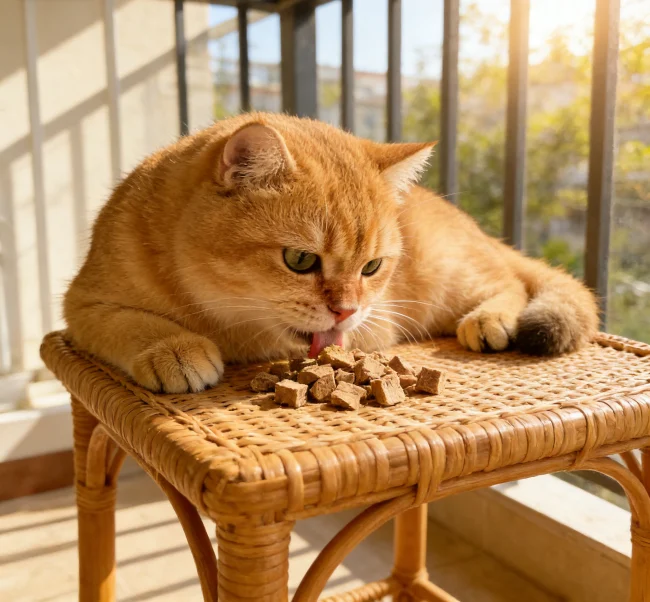
Now, let’s match those profiles to the actual treat types available, evaluating them through the lens of both feline love and responsible ownership.
Freeze-Dried & Dehydrated Protein: These are pure meat with moisture removed, offering an intense aroma and crunchy (or chewy) texture. Why cats love them: They mimic the nutritional profile and texture of natural prey, hitting all the right notes for Hunters and Crunchers. Key consideration: Check that the ingredient list is single-protein (e.g., “chicken breast only”) and ensure your cat drinks plenty of water.
Dental Health Treats: These are designed with a specific texture to reduce plaque and tartar. Why cats love them: They provide a satisfying, prolonged crunch that appeals to the Cruncher profile. Key consideration: They are not a substitute for brushing. Calculate their calories as part of the daily diet, as they can be dense.
Soft-Moist & Lickable Treats: These include squeezable purées, creamy snacks, and broths. Why cats love them: The potent smell and easy-to-ingest format are irresistible to Lickers, seniors, or cats with dental issues. Key consideration: Some contain additives, gums, or high sodium. Opt for those with broth or meat as the first ingredient.
Homemade Treats: Simple, vet-approved recipes you can make at home. Why cats love them: The ultimate in freshness and aroma, with complete control over ingredients. It’s a direct expression of care. Key consideration: Essential to avoid all toxic foods (onions, garlic, certain seasonings). They are best used immediately or frozen.
The Health & Safety Hub: Love Them Wisely
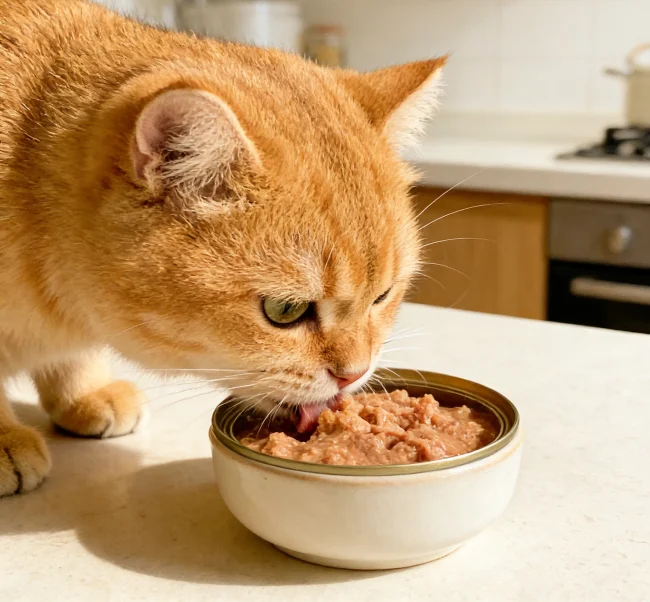
The most loved treat is a safe one. This requires mindful portion control and ingredient vigilance. Treats should never exceed 10% of your cat’s total daily caloric intake. For an average 10-pound cat, this is often just 20-30 extra calories per day—which can be just 2-5 small treats! Use the simple math: check your cat food’s kcal/cup and the treat’s kcal/piece. Always avoid: treats containing artificial colors, flavors, excessive carbohydrates, or vague terms like “meat by-products.” Be hyper-aware of toxic ingredients; even a small amount of onion powder or xylitol (an artificial sweetener found in some human foods) can be dangerous.
Curated Picks Aligned with Feline Profiles

Based on the profiles and categories above, here are examples of highly palatable treats that align with feline instincts and nutritional needs. Remember, individual preference is key.
- For The Hunter & Fish Fanatic: Freeze-Dried Salmon Bites. The intense smell and flaky texture of pure salmon are almost universally irresistible, providing high-value protein and omega-3s.
- For The Cruncher: Dental-Specific Chicken Kibble. A larger, uniquely textured treat that satisfies the need to chew while supporting oral health. Look for ones with the VOHC (Veterinary Oral Health Council) seal.
- For The Licker: Single-Protein Purée Pouches (Chicken or Tuna). These offer a burst of moisture and intense flavor with minimal additives, perfect for bonding during training or medication.
- The Universal Love Language – Homemade Option: Simple Dehydrated Chicken. Thinly slice chicken breast, bake at a low temperature (200°F/~95°C) until dry and chewy. It’s pure protein with an aroma cats find impossible to resist.
Frequently Asked Questions (FAQ)
Q: How many treats can I give my cat per day?
This is the most critical question for health. Treats should constitute no more than 10% of your cat’s daily calories. For most cats, this translates to about 2-5 small commercial treats or a teaspoon of puree. Always factor treat calories into their total daily food intake to prevent obesity.
Q: Why does my cat beg for treats but then not eat them?
This frustrating behavior often points to a mismatch between expectation and reality. Your cat may be enticed by the sound of the bag or the routine (Experience), but the treat itself might not meet their texture or aroma preference. They might also be full, stressed, or the treat could be stale. Try a different category from their suspected “profile.”
Q: Are human foods like tuna or chicken safe as treats?
In very small, plain amounts, cooked chicken, turkey, or a tiny bit of tuna in water can be a high-value treat (Expertise). However, these should be occasional, not routine. Human tuna is not nutritionally complete for cats and can contain mercury. Never give seasoned, salted, or buttered foods.
Q: What are the healthiest treats for cats?
The healthiest treats are those that are high in animal-based protein, low in carbohydrates and fillers, and complement your cat’s diet. Single-ingredient freeze-dried meats, dental treats with proven efficacy (VOHC seal), and homemade dehydrated meats are excellent choices that prioritize nutrition over empty calories.
Q: My cat is obsessed with treats but ignores their regular food. What should I do?
This indicates treats are either too high-value or given too frequently, disrupting their appetite for balanced meals. Immediately stop free-feeding treats. Use them only as a deliberate reward after they’ve eaten their regular meal. Consider if their regular food is palatable enough or discuss options with your vet.
Q: Are catnip treats the same as regular treats?
No. Catnip treats contain catnip, which is a stimulant for about 50-70% of cats. They provide a different kind of enrichment—play and euphoria—rather than just a food reward. They are safe in moderation but should be given in addition to, not as a replacement for, standard treats. Monitor your cat’s reaction.
Q: What ingredients should I absolutely avoid in cat treats?
Always avoid: onions, garlic, chives, leeks (all alliums), xylitol (a deadly sweetener), chocolate, grapes/raisins, and excessive salt. Be wary of artificial preservatives (BHA, BHT), colors, and vague “animal digest” or “by-products.” Transparency is a hallmark of trustworthy brands.
Finding the treat your cat loves most is a rewarding journey that deepens your connection. By applying the science of feline senses, identifying their unique profile, and prioritizing their health with smart portion control, you transform a simple snack into an act of understanding and care. Start with the discovery process, embrace the experimentation, and enjoy the happy purrs and head-butts that come from truly knowing your feline friend.

Related Products
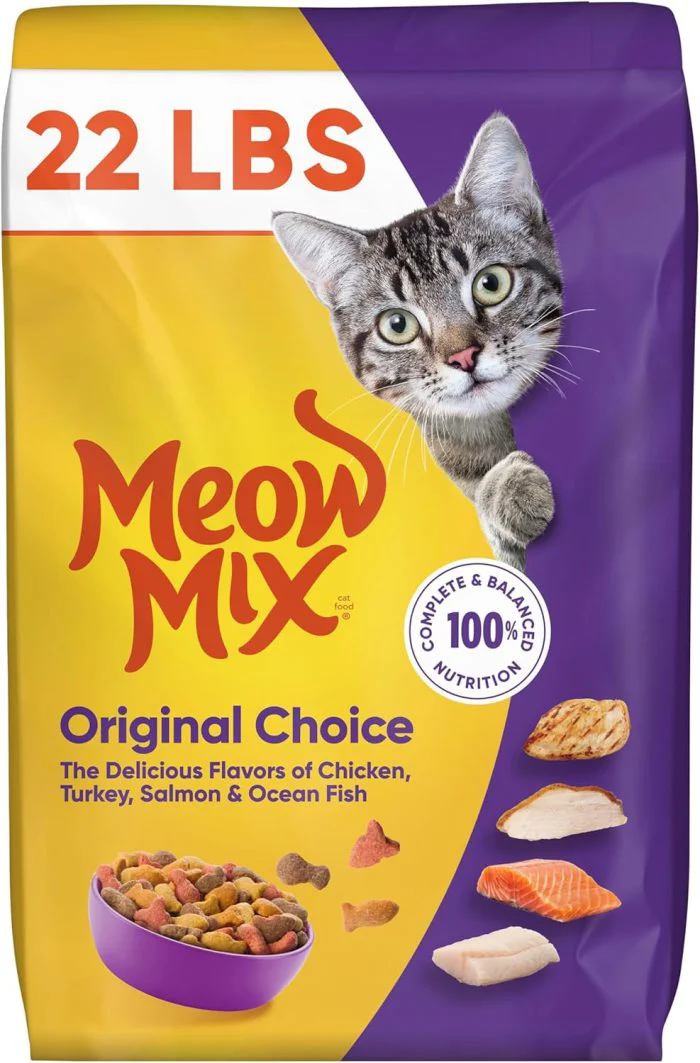
Meow Mix : Original Choice Dry Cat Food, 22 lb Bag
Save big on your cat's favorite! Meow Mix Original Choice Dry Cat Food in the…
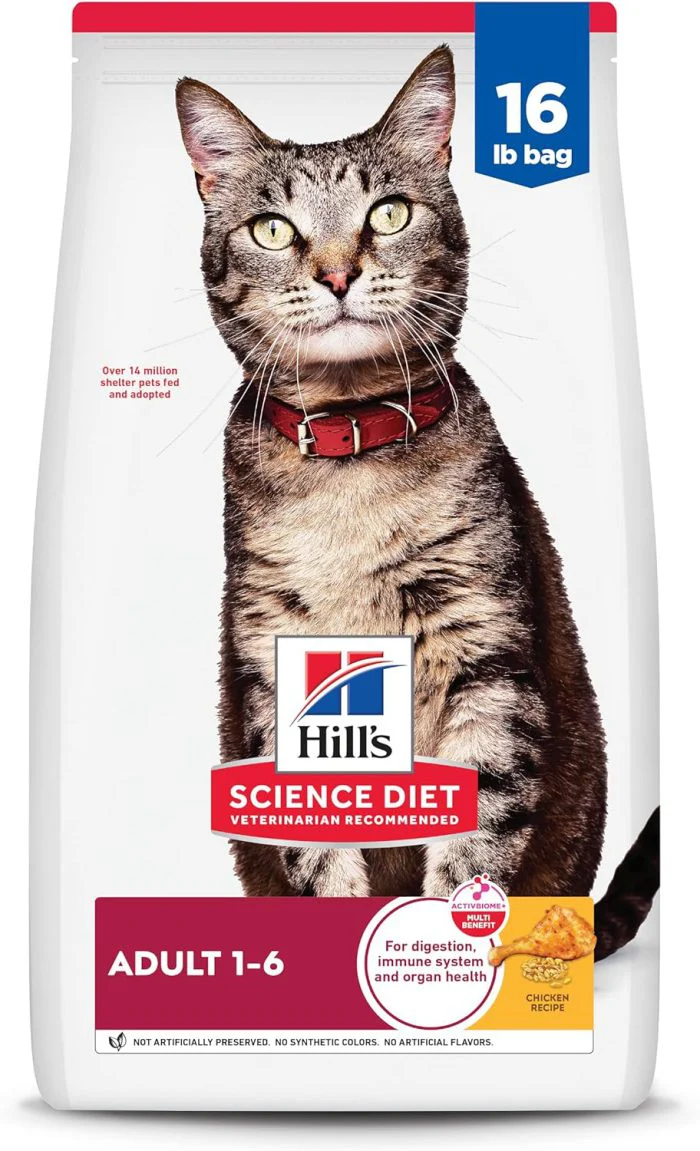
Premium Adult Cat Food: Chicken Recipe, 16 lb. Bag
Hill's Science Diet Premium Adult Cat Food: Nourish your cat with real chicken in this…
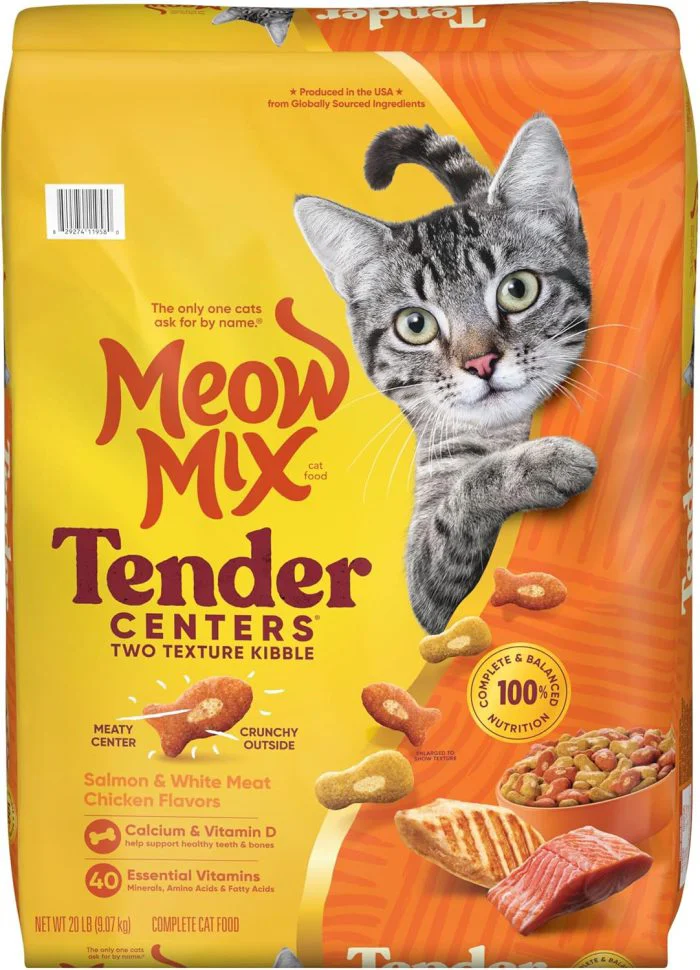
Salmon & Chicken Dry Cat Food, 20 lb. Bag
Meow Mix Salmon & Chicken Dry Cat Food in a 20 lb. bag. A tasty,…
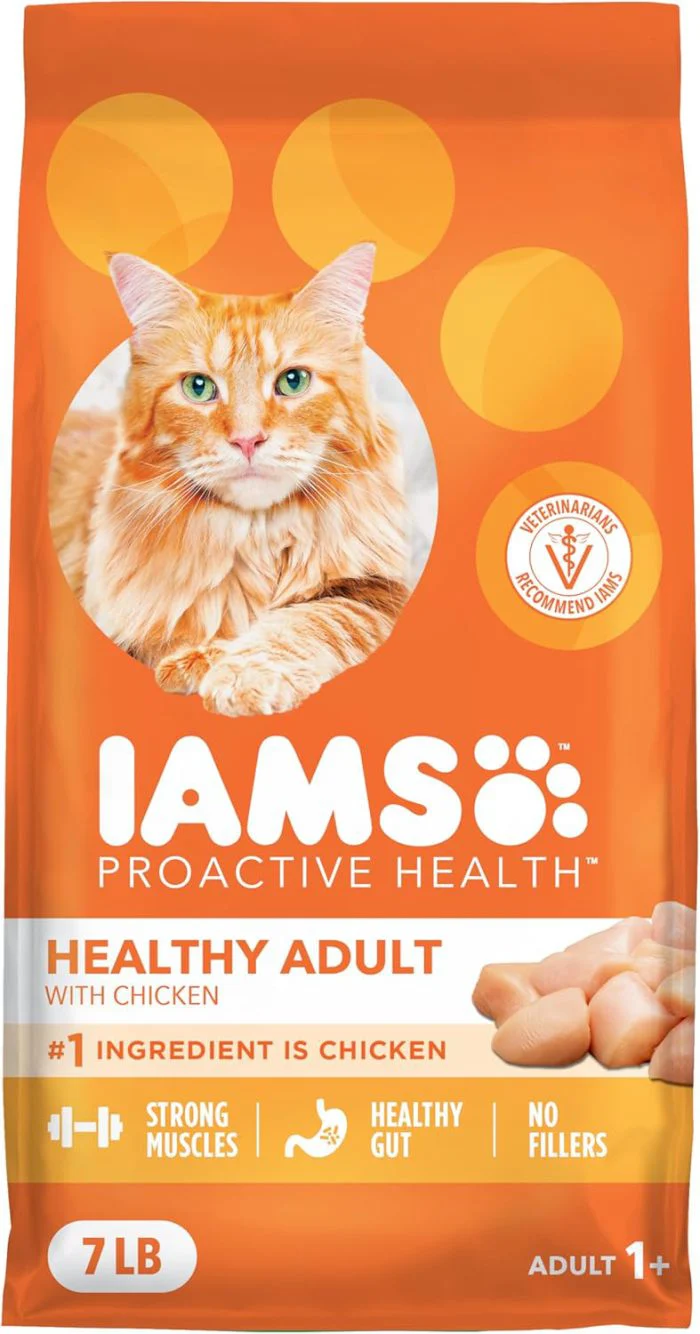
Healthy Adult Cat Food with Chicken – 7 lb Bag
IAMS Healthy Adult Cat Food with Chicken in a 7 lb bag. Premium nutrition for…
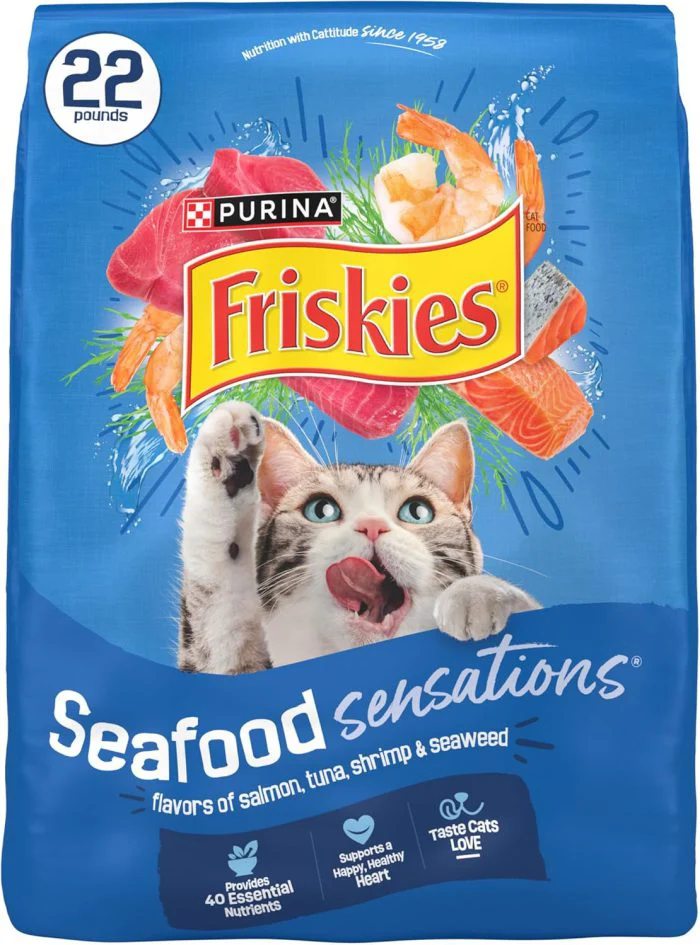
Seafood Sensations Dry Cat Food with Salmon & Tuna
Friskies Seafood Sensations dry cat food. Real salmon & tuna in every bite. Irresistible taste…
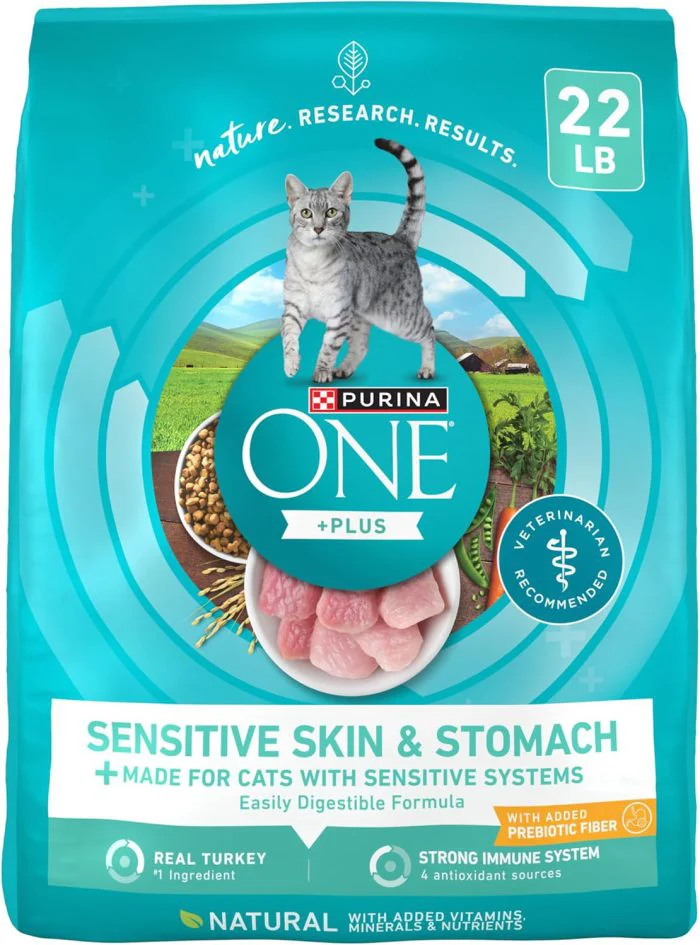
Sensitive Stomach & Skin Dry Cat Food – 22 lb
Purina ONE Sensitive Stomach & Skin Dry Cat Food, 22 lb bag. Supports digestion &…
Related Articles
 Cat Food Guide
Which Brand of Wet Cat Food Is the Healthiest? A 2026 Vet-Approved Guide
 Cat Food Guide
What are the five cat foods to avoid? A Vet-Approved Safety Guide
 Cat Food Guide
Best Wet Cat Food for Indoor Cats – 2026 Vet Guide & Feeding Toolkit
 Cat Food Guide
What Is the Healthiest Wet Cat Food for Indoor Cats? A 2026 Vet-Backed Guide
 Cat Food Guide
What Are The Top 5 Healthiest Cat Food Brands? Expert-Vetted Picks for 2026
 Cat Food Guide