
What treat is irresistible to cats? A Vets Guide to Feline Taste & Top Picks

You’ve tried everything. That fancy new treat sits untouched, while your cat turns up its nose. Or maybe you’re struggling to get your feline friend’s attention for a crucial nail trim or training session. The question “What treat is irresistible to cats?” isn’t just about a snack—it’s a plea for a reliable, high-value solution to connect with a sometimes-fussy companion. The truth is, there’s no single magic brand that works for every cat, but there is a science to understanding what makes a treat truly compelling. By combining veterinary expertise on feline biology with practical insights from seasoned cat owners, we can identify the treats and strategies that are most likely to succeed, turning frustration into a happy, purring reward.
To find an irresistible treat, you must first understand the feline palate. Cats are obligate carnivores, meaning their taste buds and nutritional needs are wired for meat. They have a strong preference for umami, the savory taste of amino acids like those found in animal protein. Unlike humans, cats lack taste receptors for sweetness. The most potent attractants are often animal digest (a palatability enhancer made from partially broken-down proteins) and specific amino acids like taurine. Furthermore, a cat’s sense of smell is paramount; if they can’t smell it, they likely won’t eat it. Texture also plays a huge role, with individual cats showing strong preferences for crunchy, soft/pate, or lickable treats. An “irresistible” treat, therefore, successfully combines a strong, meaty aroma, a high-quality protein source, and a texture your cat loves.
Our Veterinary Criteria for Evaluating Cat Treats
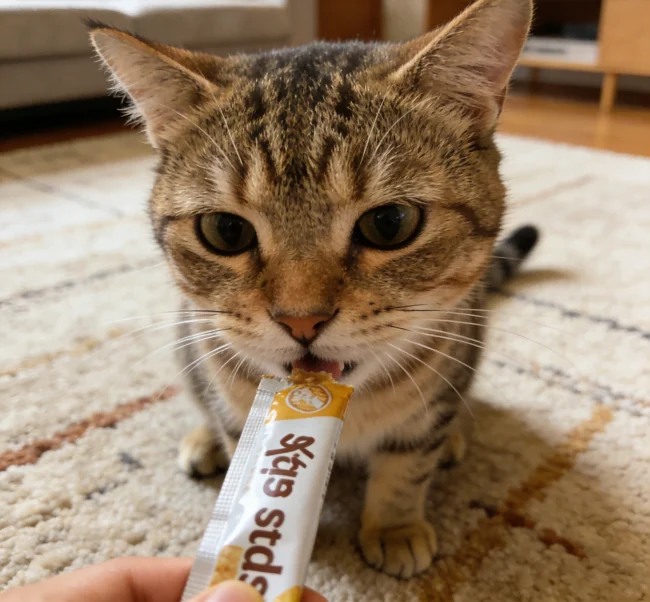
When our advisory veterinarians assess treats, they look beyond marketing claims. Here are the key pillars of their evaluation:
- Primary Ingredient Quality: The first ingredient should be a named, real animal protein (e.g., chicken, salmon, duck), not a by-product or vague “meat meal.”
- Nutritional Appropriateness: Treats should complement a balanced diet. We prioritize options with high protein, moderate fat, and minimal unnecessary carbohydrates or fillers like corn, wheat, or soy.
- Calorie Transparency: Treats should make up no more than 10% of a cat’s daily caloric intake. Clear calorie counts per treat are essential for responsible feeding.
- Safety & Additives: We avoid treats with artificial colors, flavors, or excessive preservatives like BHA/BHT. We also highlight options for cats with specific needs, such as grain-free, limited-ingredient, or dental health formulas.
Top Irresistible Treats, Categorized by Use Case
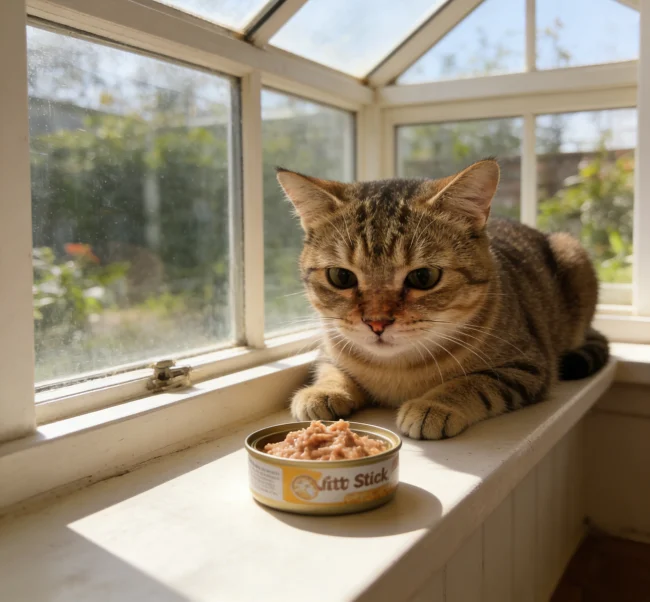
Instead of a generic list, we’ve organized recommendations by the specific problem you’re solving, based on extensive testing and veterinary feedback.
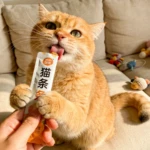
CategoryTreat ExampleKey FeatureBest ForHigh-Value Training & LickableChuru Puree TreatsPaste-like texture in a tube; extremely aromatic.Medication administration, bonding, picky seniors.Crunchy Dental HealthGreenies Feline Dental TreatsVOHC-accepted texture helps reduce tartar.Cats who enjoy crunch, promoting oral health.Pure Protein & Limited IngredientVital Essentials Freeze-Dried MinnowsSingle-ingredient, whole prey-style.Cats with food sensitivities, grain-free diets.Classic Soft & SmellyTemptations MixUpsConsistent size, strong aroma, variety of flavors.Basic rewarding, cats with a known love for the brand.
Why This Works: A cat that ignores a crunchy treat during a stressful vet visit might be captivated by a lickable, smelly puree. Matching the treat type to the scenario is half the battle.
How to Use Treats Safely and Effectively
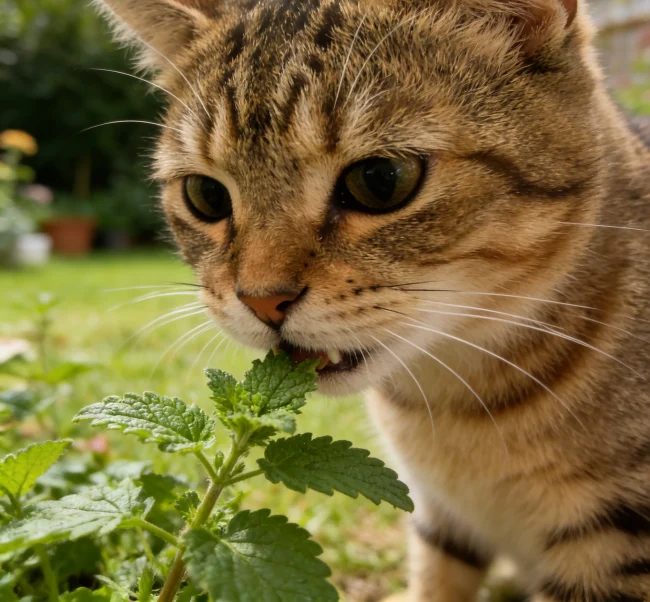
Irresistibility must be paired with responsibility. Always practice portion control. Use small, pea-sized treats. Calculate 10% of your cat’s daily calories (ask your vet for this number) and stick to it. Introduce new treats slowly, offering just one or two to monitor for any signs of gastrointestinal upset or allergic reaction (itching, vomiting). Never replace a balanced meal with treats. For training, use the treat immediately after the desired behavior to create a positive association. Store treats as directed to maintain freshness and potency.
DIY Irresistible Treat Recipes (Vet-Approved)
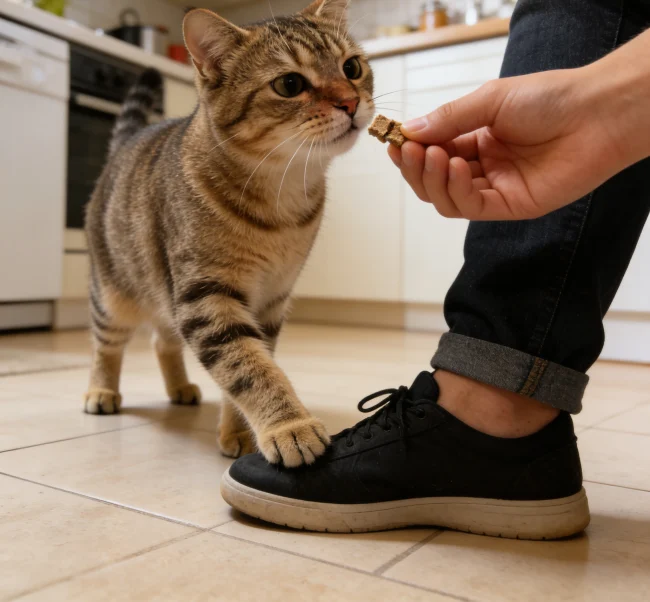
For the ultimate in freshness and control, try these simple, safe recipes. Always consult your vet before introducing homemade food, especially for cats with health conditions.
- Simple Dehydrated Chicken Bites: Slice plain, cooked chicken breast into tiny cubes. Dehydrate at a low temperature (155°F / 68°C) for 6-8 hours until completely dry and chewy. No seasoning needed.
- Salmon Lickable Purée: Blend cooked, boneless salmon with a small amount of low-sodium chicken broth until smooth. Freeze in ice cube trays for portion-controlled, long-lasting treats.
These recipes provide pure protein and allow you to avoid any additives, making them excellent for cats with picky or sensitive systems.
Frequently Asked Questions (FAQ)
Q: Can giving too many treats make my cat a picky eater?
Yes, it can. If treats are given too frequently or in large amounts, a cat may hold out for the “good stuff” and refuse their nutritionally complete regular food. This is why strict portion control (the 10% rule) and using treats strategically, not constantly, is crucial.
Q: Are tuna or fish-flavored treats safe to give every day?
While an occasional fish treat is fine, a daily diet high in fish can lead to nutritional imbalances. Some fish, like tuna, can contain heavy metals like mercury. Furthermore, fish is a common allergen for cats. It’s best to rotate protein sources, using fish as an occasional high-value reward rather than a staple.
Q: My cat is overweight. Are there any low-calorie irresistible treats?
Absolutely. Look for treats specifically marketed as “low-calorie” or “lite.” Many freeze-dried protein treats (like chicken hearts or liver) are very small and can be broken into even smaller pieces. You can also use a portion of your cat’s regular kibble from their daily allotment as “treats” for training.
Q: What human foods are irresistible but dangerous to cats?
Many human foods are toxic. Never give cats treats containing onions, garlic, chives, chocolate, xylitol (a sweetener), alcohol, grapes, or raisins. Even small amounts can cause serious illness. Stick to treats formulated for felines or vet-approved single-ingredient proteins.
Q: Why does my cat love one treat brand but suddenly refuses it?
Cats can get bored, or manufacturers can change formulas subtly. It’s also possible a previous batch was extra fragrant and a new one is less so. Having a rotation of 2-3 trusted treat types can prevent “flavor fatigue” and keep your cat interested.
Q: Are dental treats actually effective?
Treats with the Veterinary Oral Health Council (VOHC) seal have proven through testing to help reduce plaque and tartar. They are a good supplement to, but not a replacement for, regular veterinary dental care and tooth brushing.
Q: How can I find out what texture my cat prefers?
Conduct a simple test. Offer a small crunchy treat, a soft treat, and a lickable purée (on separate spoons) at the same time. Observe which one your cat goes for first and finishes completely. This preference can guide all your future treat purchases.
Finding the perfect, irresistible treat for your cat is a blend of science and individual discovery. By understanding the powerful drivers of feline taste—strong meaty aromas, high-quality protein, and the right texture—you can move from guesswork to strategy. Remember to prioritize safety and moderation, using these high-value rewards to strengthen your bond, facilitate care, and enrich your cat’s life. Start with the categories that match your goal, be patient, and you’ll unlock the key to your cat’s delight.

Related Products
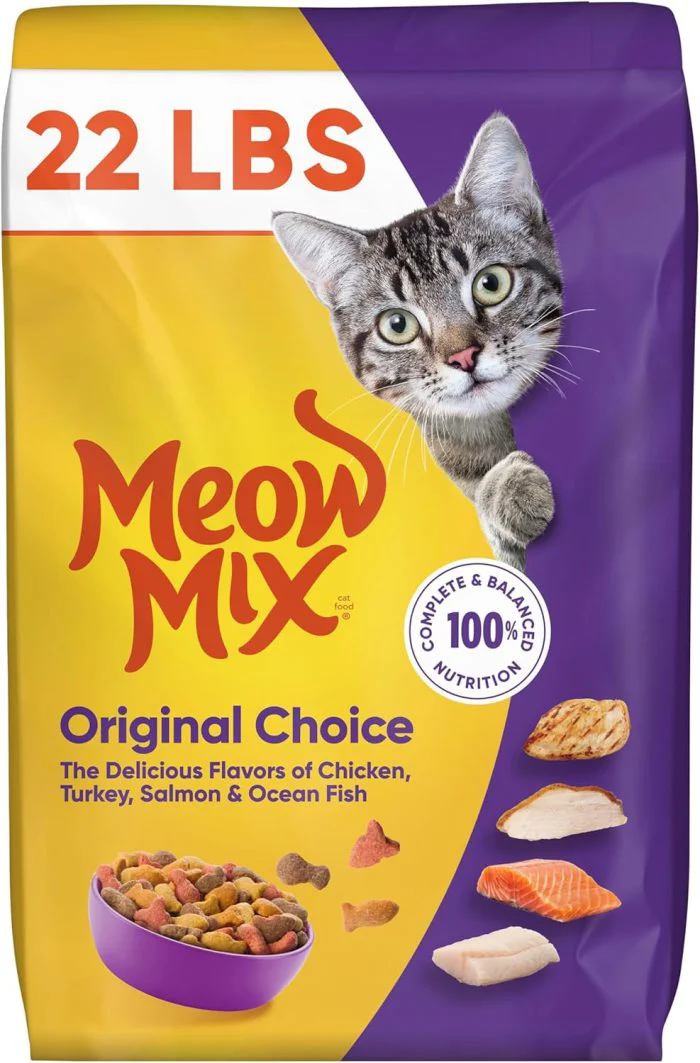
Meow Mix : Original Choice Dry Cat Food, 22 lb Bag
Save big on your cat's favorite! Meow Mix Original Choice Dry Cat Food in the…
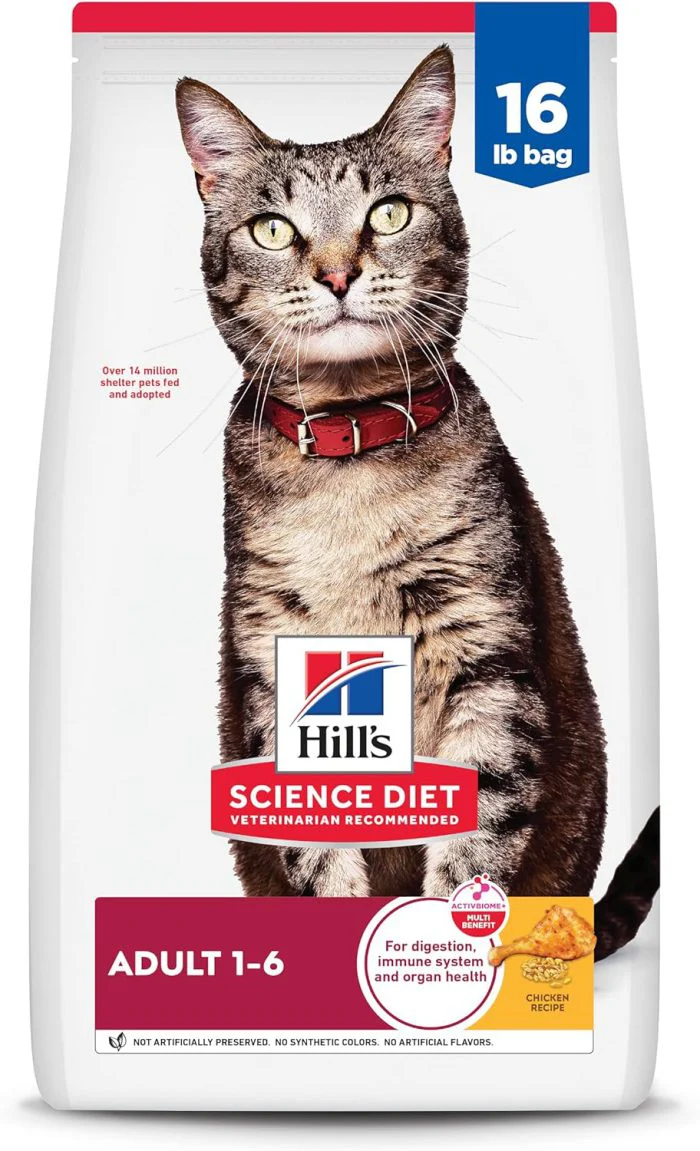
Premium Adult Cat Food: Chicken Recipe, 16 lb. Bag
Hill's Science Diet Premium Adult Cat Food: Nourish your cat with real chicken in this…
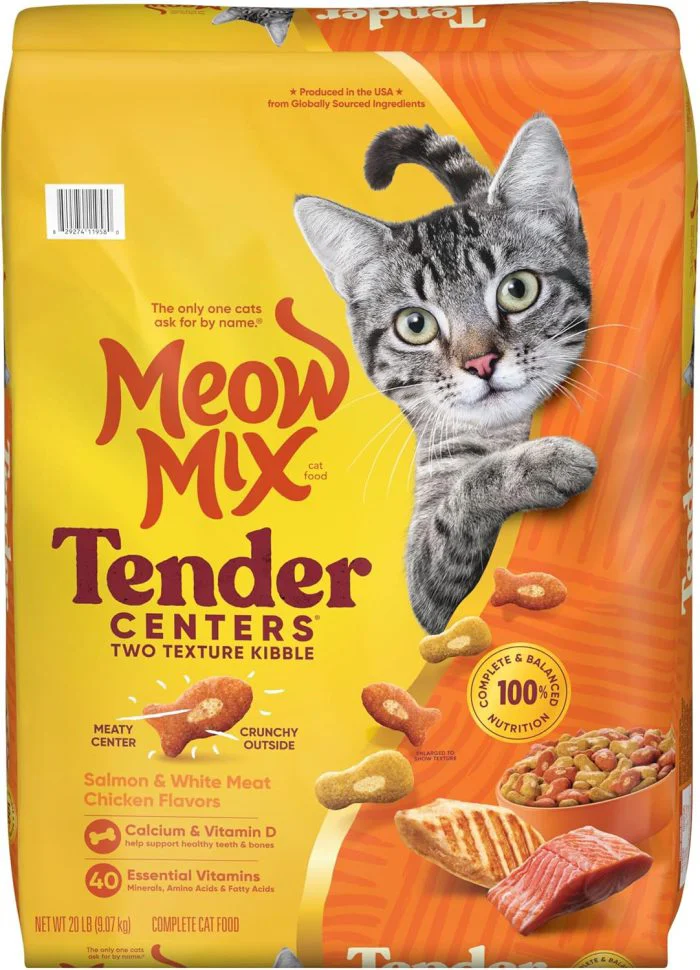
Salmon & Chicken Dry Cat Food, 20 lb. Bag
Meow Mix Salmon & Chicken Dry Cat Food in a 20 lb. bag. A tasty,…
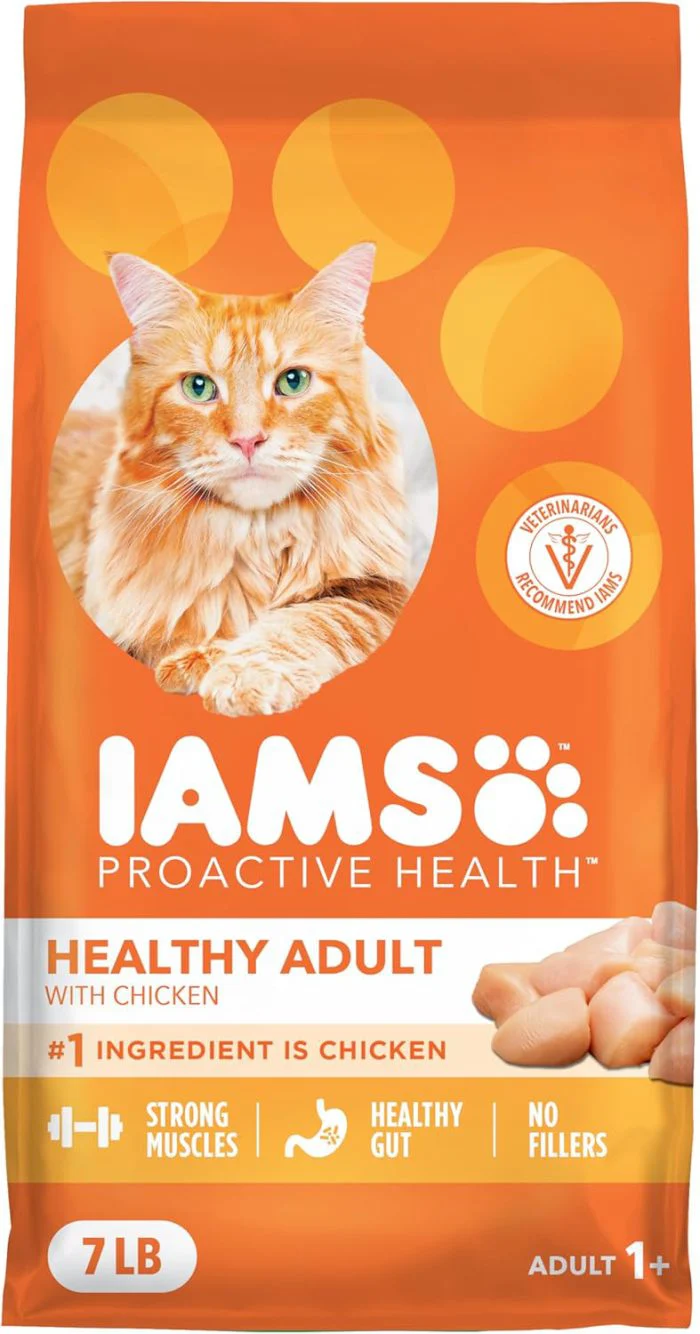
Healthy Adult Cat Food with Chicken – 7 lb Bag
IAMS Healthy Adult Cat Food with Chicken in a 7 lb bag. Premium nutrition for…
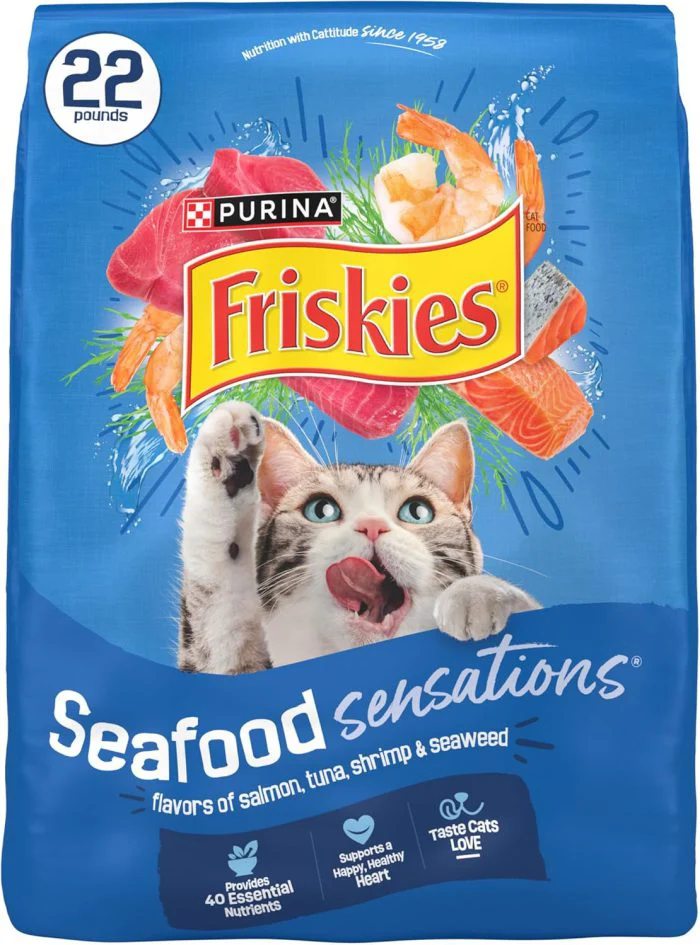
Seafood Sensations Dry Cat Food with Salmon & Tuna
Friskies Seafood Sensations dry cat food. Real salmon & tuna in every bite. Irresistible taste…
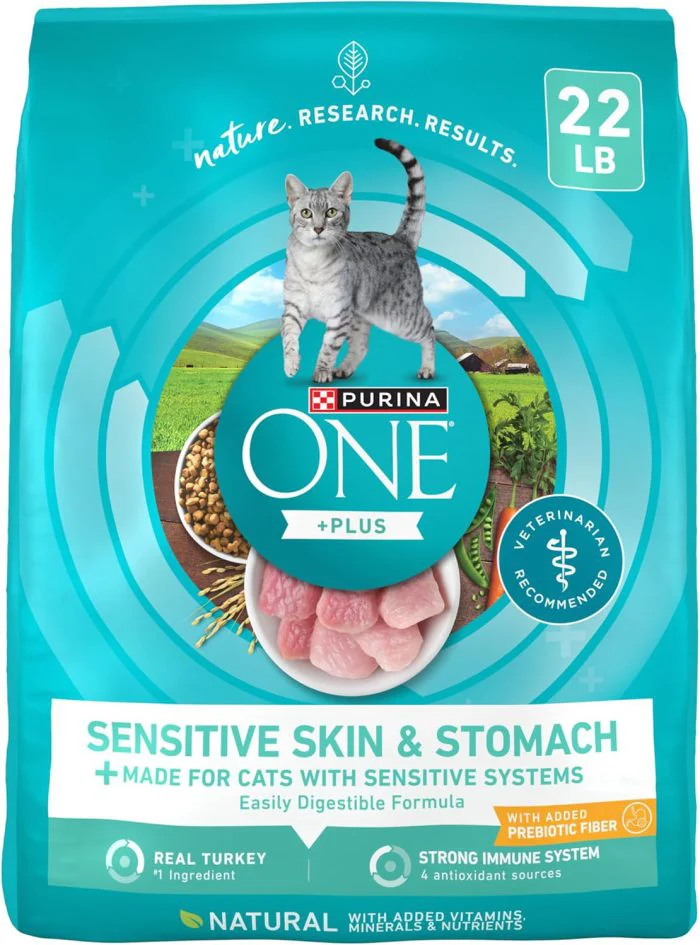
Sensitive Stomach & Skin Dry Cat Food – 22 lb
Purina ONE Sensitive Stomach & Skin Dry Cat Food, 22 lb bag. Supports digestion &…
Related Articles
 Cat Food Guide
What Is the Best Wet Cat Food for Picky Eaters? A Vet-Approved Strategy
 Cat Food Guide
What Is the Healthiest Wet Cat Food for Indoor Cats? A 2026 Vet-Backed Guide
 Cat Food Guide
Hypoallergenic Cat Foods – The 2026 Guide from Diagnosis to Bowl
 Cat Food Guide
What Is the Healthiest Food for a Cat? A Vets Guide to Optimal Nutrition
 Cat Food Guide
How Long Should a Cat Stay on Hypoallergenic Food? A Complete 12-Week Timeline Guide
 Cat Food Guide