
What to Avoid in Wet Cat Food? The 2026 Guide to Reading Labels and Choosing Safely

Choosing the right wet cat food can feel like navigating a minefield of confusing ingredient lists and conflicting advice. As a caring pet owner asking “what to avoid in wet cat food?”, you’re seeking clear, actionable guidance to protect your cat’s health. The core of your search is risk mitigation—identifying the harmful or low-quality ingredients hidden in that can of pâté or gravy. This guide cuts through the confusion. Based on veterinary insights and feline nutrition principles, we’ll translate complex labels into simple “yes/no” decisions, empowering you to make informed, confident choices for your feline friend’s diet.
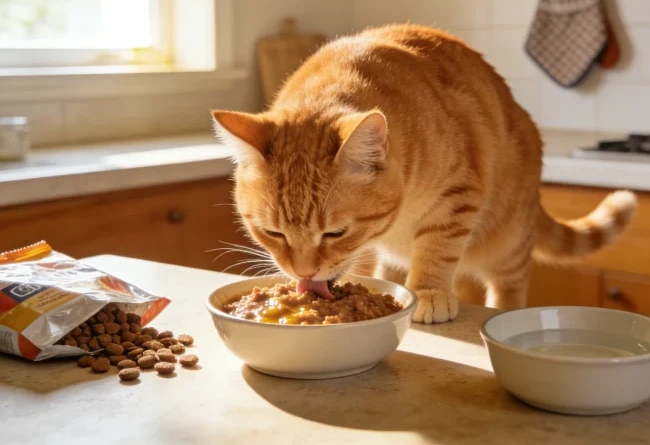
Before diving deep, here are the top seven ingredients to steer clear of on your next shopping trip:
- Artificial Colors (e.g., Blue 2, Red 40): Purely cosmetic additives linked to potential health risks.
- Artificial Preservatives (BHA, BHT, Ethoxyquin): Chemical preservatives associated with long-term health concerns.
- Carrageenan: A controversial thickener suspected of causing gastrointestinal inflammation.
- Meat By-Products (non-specific): Vague, low-quality protein sources like “animal by-products” or “meat by-products.”
- Added Sugars and Syrups: Unnecessary carbohydrates that contribute to obesity and diabetes.
- “Flavor” or “Digest”: Often indicates the use of processed palatability enhancers sprayed on low-quality food.
- Unspecified “Meal” or “Fat”: Non-specific rendered ingredients, such as “animal fat,” which are of unknown origin and quality.
The Red Flag Ingredients: A Detailed Breakdown
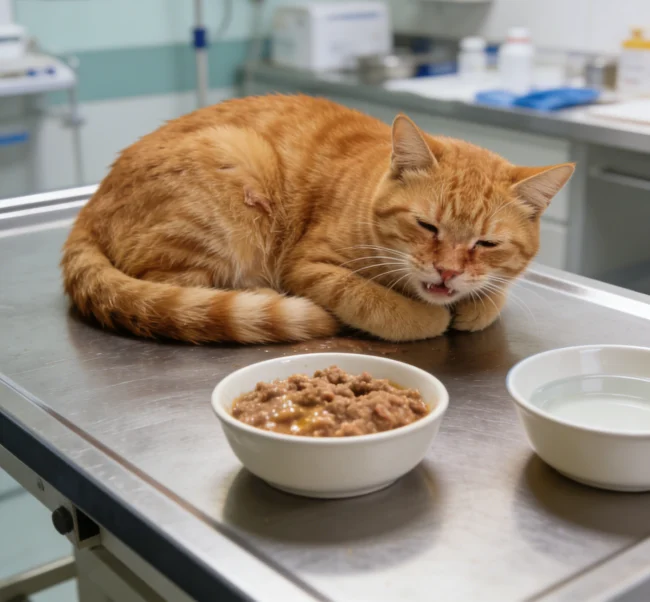
To make empowered choices, you need to understand not just what to avoid, but why. We’ve categorized the primary offenders to help you decode any label.
Artificial Additives: Unnecessary and Potentially Harmful
These ingredients are added for the manufacturer’s or consumer’s benefit, not your cat’s.
Artificial Colors (Dyes): Cats are colorblind to reds and greens; they don’t care if their food is a vibrant pink. These dyes, like Blue 2 and Red 40, are added solely to make the food look more appealing to you. Studies have raised concerns about their potential link to behavioral issues and hypersensitivity reactions. What to look for instead: A natural, often greyish-brown appearance. High-quality foods derive color from real meat and vegetables.
Artificial Preservatives (BHA, BHT, Ethoxyquin): Used to prevent fat spoilage in kibble and wet food, these chemical preservatives are major red flags. BHA and BHT are classified as possible human carcinogens, and Ethoxyquin, originally a rubber stabilizer, has been scrutinized for potential links to organ damage. What to look for instead: Natural preservatives like mixed tocopherols (a form of Vitamin E), rosemary extract, or ascorbic acid (Vitamin C). These indicate a brand’s commitment to cleaner processing.
Questionable Thickeners, Gums, and Carbohydrates
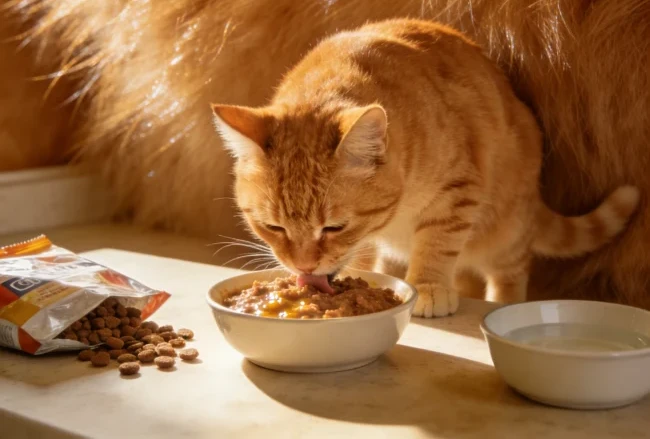
Wet food needs texture, but not all binding agents are created equal.
Carrageenan: Extracted from red seaweed, carrageenan is used to create a gel-like texture. The debate centers on “degraded carrageenan” or poligeenan, a proven inflammatory agent. While food-grade carrageenan is different, some studies suggest it may also trigger gastrointestinal inflammation in sensitive individuals. Given that cats with IBD are common, many veterinarians recommend avoiding it. What to look for instead: Foods thickened with simpler, more whole-food ingredients like pumpkin, sweet potato, or agar-agar.
Added Sugars, Syrups, and Grains as Primary Fillers: Cats are obligate carnivores with no nutritional requirement for carbohydrates. Ingredients like corn syrup, sucrose, or brewer’s rice high on the list are cheap fillers that spike blood sugar and contribute to obesity and diabetes. What to look for instead: A named animal protein (like chicken, salmon, or beef) as the very first ingredient, and a low carbohydrate content (ideally under 10% on a dry matter basis).
Low-Quality and Non-Specific Protein Sources
Protein is the cornerstone of a cat’s diet, but its source matters immensely.
Non-Specific Meat By-Products and Meals: The term “by-products” itself isn’t inherently evil—it can include nutritious organ meats. The problem is vagueness. “Animal by-products” or “poultry by-products” can come from any number of animals and include less desirable parts (beaks, feet, feathers). Similarly, “meat meal” is a rendered product of unknown quality. What to look for instead: Specificity. “Chicken by-products” or “chicken meal” is more transparent than “animal by-products.” Even better are whole, named meats and organs: “deboned chicken,” “chicken liver,” “lamb heart.”
Unspecified “Flavor” or “Digest”: If a label says “chicken flavor” instead of “with chicken,” it often means the food uses a processed digest—a material treated with enzymes or acids to create a potent, sprayed-on flavoring to mask a low-quality base. It’s a sign of poor nutritional substance. What to look for instead: The actual protein source should be a primary ingredient, not just a “flavor.”
How to Use This Guide: A Practical Label-Reading Tutorial
Knowledge is power, but application is key. Let’s walk through how to audit a real can.
- Ignore the Marketing: Look past the “gourmet” or “natural” claims on the front. Go straight to the AAFCO Statement (usually on the back or side). It should state the food is “complete and balanced” for your cat’s life stage (e.g., “for adult maintenance”).
- Read the Ingredient List: Ingredients are listed by weight before processing. The first 3-5 ingredients make up the bulk of the food.
- Ideal: “Deboned Chicken, Chicken Liver, Chicken Broth, Turkey, Egg Product…”
- Concerning: “Water Sufficient for Processing, Liver, Meat By-Products, Wheat Gluten, Corn Starch…”
- Spot the Red Flags: Scan for the vague terms and additives listed above. Use our quick checklist.
- Analyze the Guaranteed Analysis: For wet food, focus on crude protein and crude fat. High protein (over 10%) and moderate fat are good. To compare carb content across brands, you often need to calculate it or look for brands that disclose it.
| Label Section | What to Look For (The Good) | Red Flag (The Bad) |
|---|---|---|
| Ingredient #1 | A specific, named animal protein (e.g., Salmon, Beef) | Water, Broth, or a cereal/grain |
| Protein Sources | Specific meals or by-products (e.g., Chicken Meal) | Vague terms (Meat By-Products, Animal Fat) |
| Carbohydrates | None, or whole vegetables (pumpkin) low on the list | Sugars, syrups, or grains in the top 5 ingredients |
| Additives | Natural preservatives (Mixed Tocopherols) | BHA, BHT, artificial colors (Red 40, etc.) |
Contextual Considerations: Exceptions and Budget Navigation
A one-size-fits-all approach doesn’t work for every cat or budget.
Life-Stage & Health Exceptions: For kittens, high-quality calories are critical; avoid foods with excessive fillers that provide empty energy. Senior cats or those with kidney disease often need restricted phosphorus; avoid foods where “phosphate” is added as a preservative. Cats with food allergies must avoid their specific triggers (e.g., beef, dairy), which underscores the need for specific ingredient lists. Always consult your veterinarian for diet advice tailored to your cat’s health.
Navigating Budget Constraints: Premium food is ideal, but what if it’s not feasible?
- Prioritize Protein: Even on a budget, ensure a named protein is the #1 ingredient.
- Avoid the Worst Offenders: Cutting out artificial colors, BHA/BHT, and carrageenan is a huge win, even in mid-tier foods.
- Mix and Supplement: Consider mixing a high-quality food with a more affordable one that meets your key criteria. Adding a topper of plain, cooked chicken can boost protein.
- Compare Cost Per Feeding: A nutrient-dense food may require less volume per meal, making it more economical over time.
Frequently Asked Questions (FAQ)
Q: Is grain-free wet cat food always better?
Not necessarily. The grain-free trend was largely driven by dog food allergies. Most cat food allergies are to animal proteins (beef, fish, dairy). While cats don’t need grains, the absence of grains doesn’t automatically make a food healthy. Some grain-free foods use high levels of potatoes or peas as fillers instead. Focus on high animal protein content and low carbohydrates, whether the food contains grains or not.
Q: Are “by-products” always bad in cat food?
No, but vagueness is the enemy. Specific by-products like “chicken liver,” “chicken heart,” or “chicken by-products” can be excellent sources of nutrients cats love and need. The problem is non-specific terms like “animal by-products,” which provide no transparency about the source or quality.
Q: What about “gums” like xanthan gum or guar gum? Should I avoid them?
These are generally considered safe in the small quantities used in pet food to stabilize texture. They are not in the same high-risk category as carrageenan. However, some sensitive cats may experience soft stools with certain gums. If your cat has a robust digestive system, they are likely not a concern. If your cat has a history of GI issues, you may want to choose foods without them.
Q: My cat only likes one brand that has some “bad” ingredients. What should I do?
Sudden diet changes can cause issues. First, consult your vet to ensure the food is otherwise appropriate. You can then try a slow transition over 7-10 days by mixing increasing amounts of a healthier alternative with the old food. Patience and offering the new food at room temperature (to enhance aroma) are key.
Q: Are there any ingredients I should avoid for a cat with urinary tract issues?
Yes. Cats prone to urinary crystals (especially struvite) often benefit from a diet that promotes slightly acidic urine. You should avoid foods with excessive amounts of certain minerals like magnesium and phosphorus if not properly balanced. More critically, ensure your cat is on a wet food diet, as the high moisture content is the best defense against UTIs. Your veterinarian can prescribe or recommend a therapeutic diet specifically formulated for urinary health.
Q: How can I tell if a “natural” or “holistic” label is trustworthy?
These terms are largely unregulated in pet food. Don’t rely on them. You must turn the package over and read the ingredient list and AAFCO statement using the principles in this guide. A “holistic” food can still contain carrageenan or vague by-products.
Q: Is it okay if broth or water is the first ingredient?
In wet food, this is very common and not an immediate red flag. Wet food is about 75-85% moisture. The key is what follows. If the next ingredients are specific meats and organs, it’s likely fine. If they are by-products and fillers, it’s less ideal. The quality of the protein sources matters more than the broth being first in this case.
Empowering yourself with the knowledge to read a cat food label is one of the most impactful things you can do for your pet’s long-term health. By focusing on specific, high-quality animal proteins and avoiding unnecessary artificial additives and vague ingredients, you can select a wet food that supports vitality and well-being. Remember, this guide is a tool for informed decision-making, but your veterinarian remains your best partner in tailoring nutrition to your individual cat’s needs. Start by auditing the food in your pantry tonight—you might be surprised at what you find, and your cat will thank you for the extra care.

Related Products
Meow Mix : Original Choice Dry Cat Food, 22 lb Bag
Save big on your cat's favorite! Meow Mix Original Choice Dry Cat Food in the…
Premium Adult Cat Food: Chicken Recipe, 16 lb. Bag
Hill's Science Diet Premium Adult Cat Food: Nourish your cat with real chicken in this…
Salmon & Chicken Dry Cat Food, 20 lb. Bag
Meow Mix Salmon & Chicken Dry Cat Food in a 20 lb. bag. A tasty,…
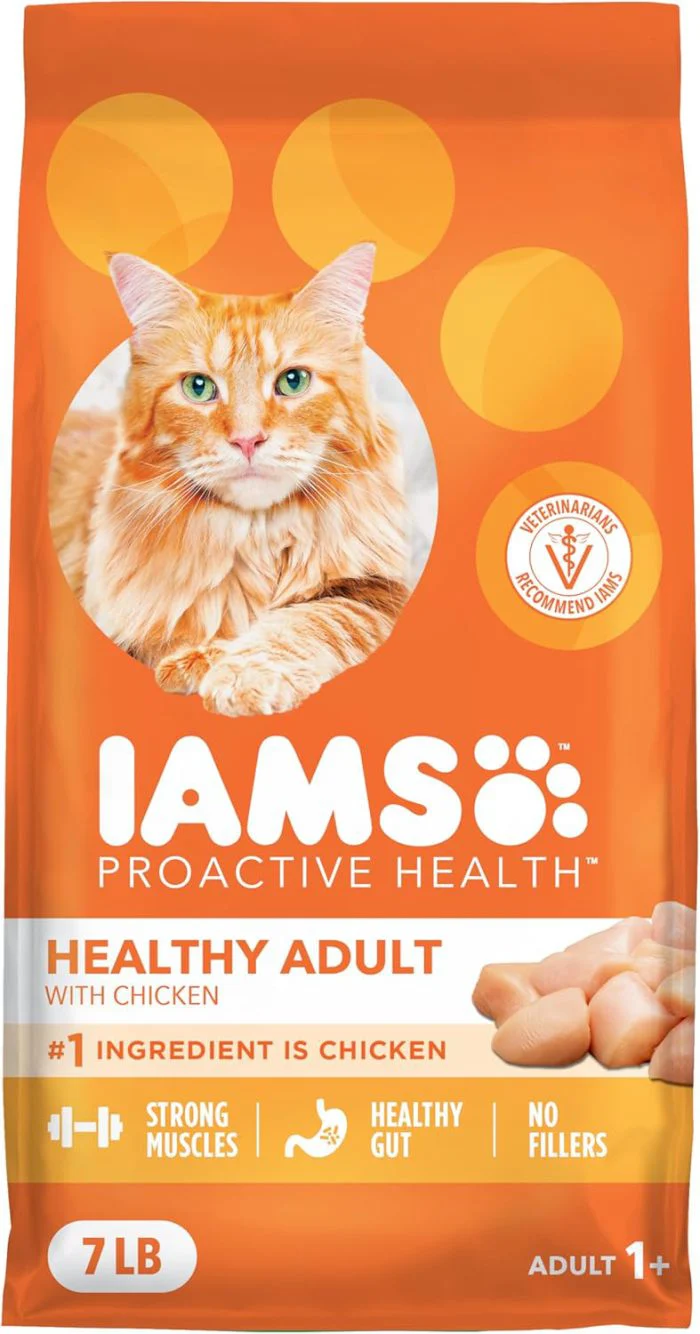
Healthy Adult Cat Food with Chicken – 7 lb Bag
IAMS Healthy Adult Cat Food with Chicken in a 7 lb bag. Premium nutrition for…
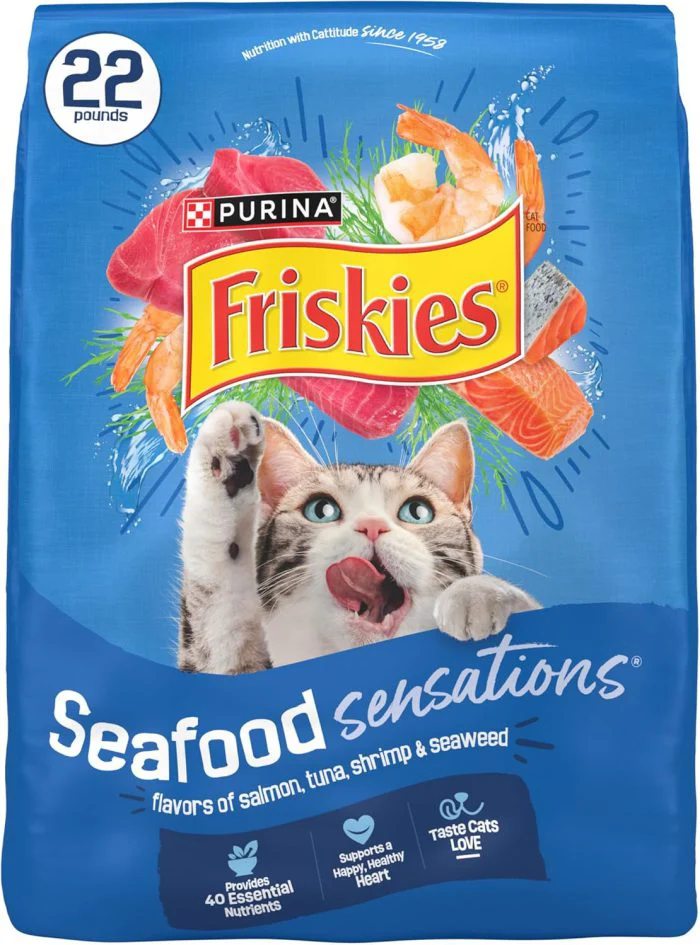
Seafood Sensations Dry Cat Food with Salmon & Tuna
Friskies Seafood Sensations dry cat food. Real salmon & tuna in every bite. Irresistible taste…
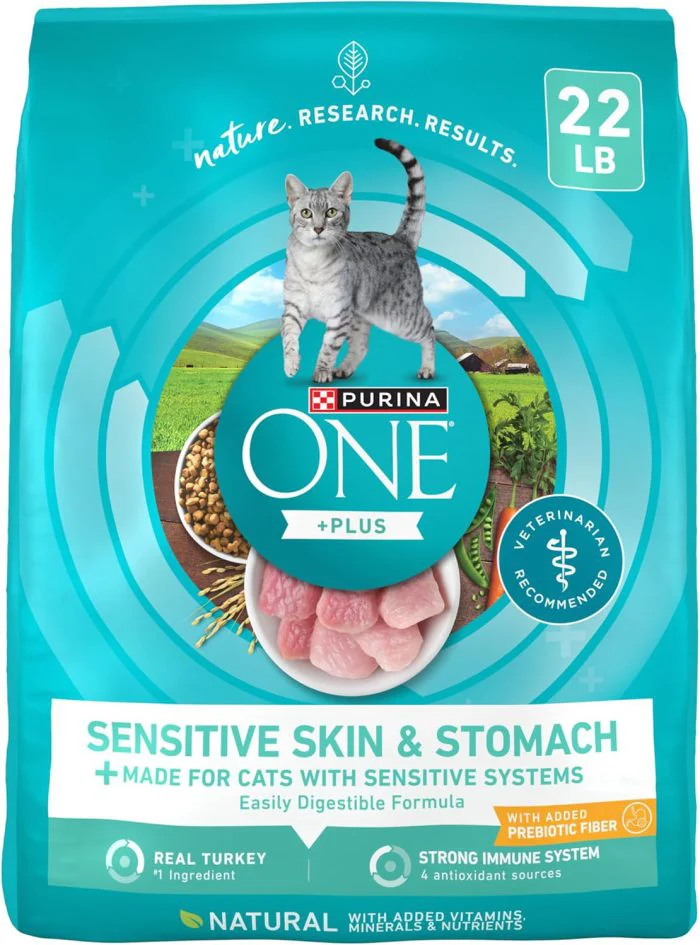
Sensitive Stomach & Skin Dry Cat Food – 22 lb
Purina ONE Sensitive Stomach & Skin Dry Cat Food, 22 lb bag. Supports digestion &…
Related Articles
 Cat Food Guide
What treats do cats love the most? A Science-Based Guide to Feline Taste
 Cat Food Guide
What Is the One Meat to Never Feed a Cat? The Raw Fish Danger Explained
 Cat Food Guide
Is Purina Owned by Nestle? Ownership Facts & Ethical Guide
 Cat Food Guide
What Are Signs of Food Allergies in Cats? A Vets Guide to Symptoms & Solutions
 Cat Food Guide
What Are the Top 3 Cat Foods? Expert-Picked for 2026
 Cat Food Guide