


What Is the One Meat to Never Feed a Cat? The Raw Fish Danger Explained

As a responsible cat owner, you want to share everything with your feline friend, but their biology is very different from ours. When it comes to the question, “What is the one meat to never feed a cat?” the answer is clear and definitive: raw fish. While many meats pose risks, raw fish stands out as uniquely dangerous due to a hidden enzyme that can cause a severe, life-threatening vitamin deficiency, making it the single most critical meat to keep off your cat’s plate.
This isn’t just about bones or parasites, which are common concerns with raw meats. The primary danger in raw fish—particularly species like tuna, salmon, and herring—is an enzyme called thiaminase. This enzyme actively breaks down thiamine (Vitamin B1), a nutrient essential for your cat’s brain function, energy metabolism, and nervous system. A thiamine deficiency can lead to a rapid onset of neurological problems, including loss of appetite, seizures, and in severe cases, permanent brain damage or death. Understanding this specific biochemical threat is key to protecting your pet, as it underscores why even a small, seemingly harmless piece of raw sushi or fish scrap is a significant risk.
To appreciate why raw fish is the top offender, we need to delve into the science. Thiamine is a water-soluble vitamin that cats cannot synthesize or store in large amounts; they must obtain it regularly from their diet. Thiaminase, present in many raw freshwater and saltwater fish, destroys thiamine within the food itself and can continue to break down the vitamin in your cat’s body after ingestion.
The deficiency progresses quickly. Early signs, which can appear within weeks of a diet high in raw fish, include lethargy, decreased appetite, and vomiting. As it advances, neurological symptoms emerge: a wobbly, uncoordinated gait (ataxia), ventroflexion of the neck (where the cat cannot hold its head up), dilated pupils, and seizures. Without immediate veterinary intervention involving high-dose thiamine injections, the damage can be irreversible. This specific, insidious mechanism makes raw fish more predictably dangerous than other meats where risk might depend on preparation, seasoning, or portion size.
A Comprehensive Guide to Dangerous Foods for Cats
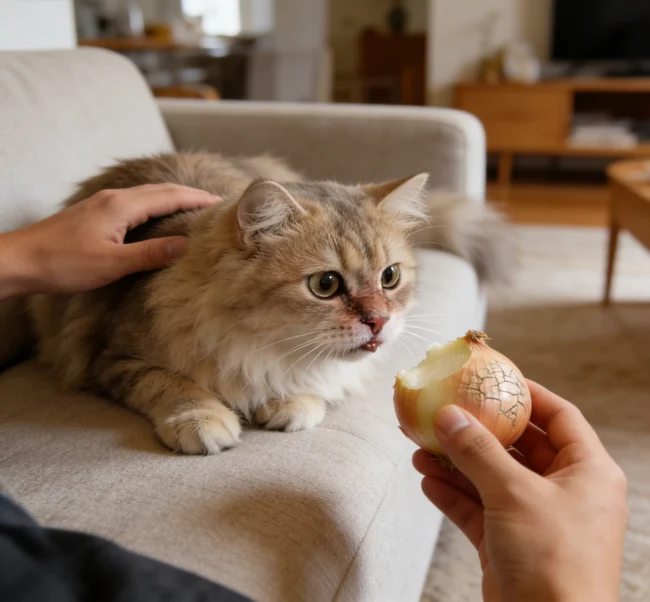
While raw fish is the “one meat” to be most vigilant about, responsible pet ownership requires awareness of other common hazards. This scannable list details the major dangers, their mechanisms, and the symptoms to watch for.
1. Raw Fish (The Primary Risk)
2. Processed Meats (Bacon, Ham, Sausage, Deli Meats)
3. Bones (Cooked or Raw)
4. Liver (In Excessive Amounts)
5. Raw Pork
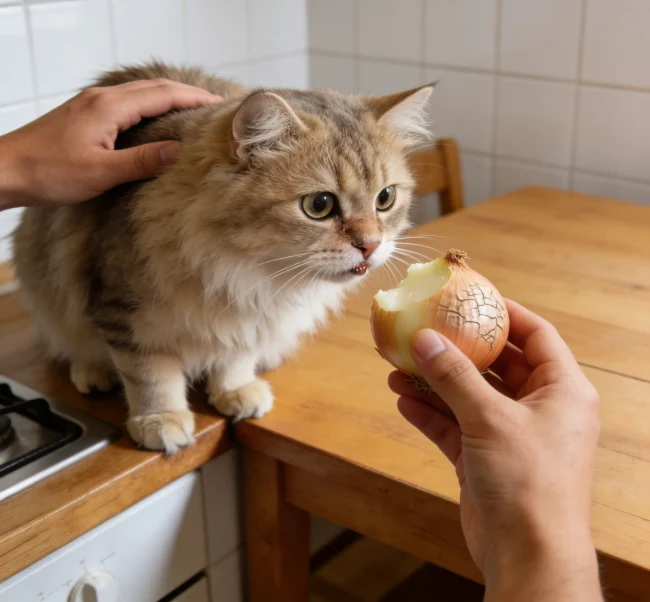
6. Meat with Onions, Garlic, or Chives
7. Xylitol-Sweetened Products (Some Peanut Butters, “Low-Sugar” Foods)
To help visualize the core risks at a glance, here is a comparison of safe and unsafe meat practices:
| Food Item | Status for Cats | Primary Risk / Safe Preparation |
|---|---|---|
| Raw Fish | NEVER FEED | Thiaminase enzyme destroys Vitamin B1. |
| Cooked, Boneless Fish (e.g., Salmon) | Occasional Treat | Must be thoroughly cooked, boneless, unseasoned. High in mercury if fed frequently. |
| Processed Meats (Bacon, Ham) | NEVER FEED | Extreme salt, fat, and toxic seasonings. |
| Cooked, Lean Chicken or Turkey | Excellent Occasional Protein | Must be plain, boneless, skinless, and fully cooked. Serve in small pieces. |
| Cooked Bones | NEVER FEED | Splinter hazard causing internal injury. |
| Commercial Raw Food Diets | Proceed with Caution | Must be complete, balanced, and handled with extreme food safety to avoid bacterial risks. |
The Safe Meat Handling Guide for Cat Owners
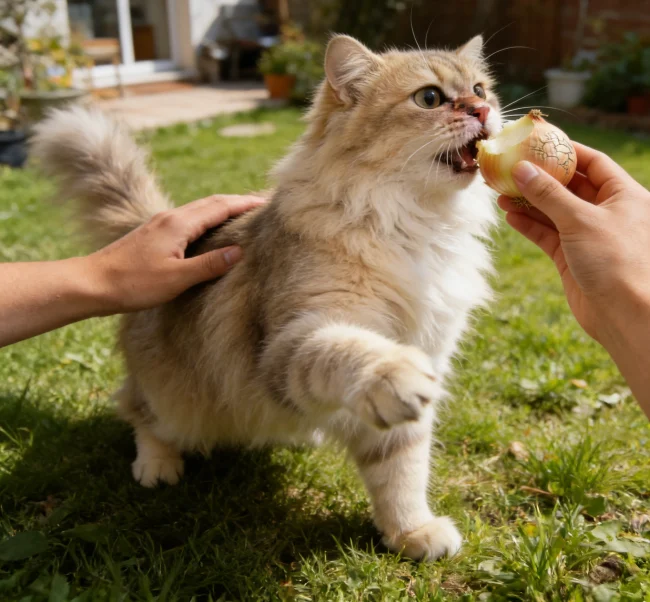
The safest rule is to feed a high-quality, nutritionally complete commercial cat food as the staple diet. When offering meats as an occasional treat (less than 10% of daily calories), follow these guidelines:
Understanding Symptoms: A Pet Owner’s Checklist
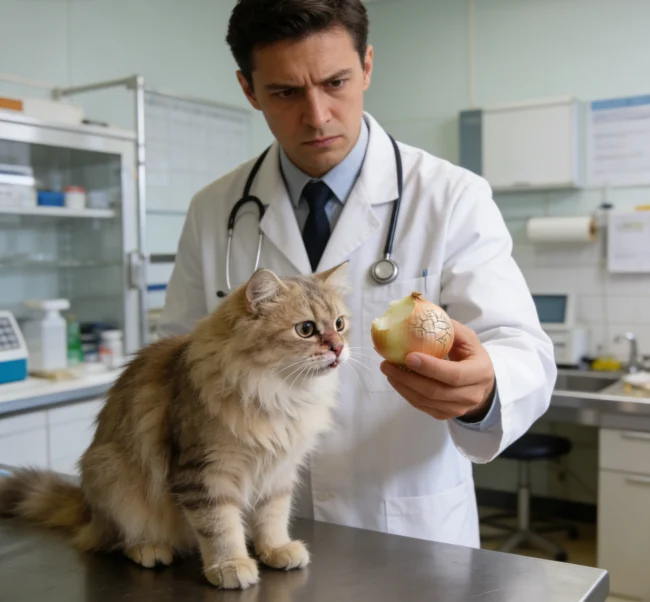
If you suspect your cat has ingested a dangerous food, time is critical. Use this symptom checklist to communicate effectively with your veterinarian:
Frequently Asked Questions (FAQ)
Q: Can cats eat canned tuna in water?
A: As an extremely rare treat, a tiny amount (½ teaspoon) of tuna packed in water (not oil) is generally safe for a healthy cat. However, it should not be a regular part of their diet. Tuna is not nutritionally complete for cats and is high in mercury, which can accumulate over time. More importantly, feeding tuna frequently can create a finicky eater who refuses their balanced cat food.
Q: What about a tiny piece of bacon or deli meat as a treat?
A: It is strongly advised against. Even a small piece is concentrated with salt, fats, and often contains garlic or onion powder. The risk of triggering pancreatitis or salt toxicity, while dose-dependent, is not worth taking. There are much safer treat options available.
Q: Is fish-flavored cat food safe?
A: Yes, commercial fish-flavored cat foods are safe and balanced. The fish used in these formulas is cooked and processed to be nutritionally appropriate, and thiaminase is deactivated. The danger lies in feeding raw fish or human-grade fish as a primary food source, not in properly formulated commercial diets.
Q: My cat ate a small piece of raw salmon. What should I do?
A: Remove any remaining fish. Monitor your cat closely for the next 24-48 hours for any signs of vomiting, lethargy, or loss of appetite. A single, small exposure may not cause acute deficiency, but it introduces risks of parasites and bacteria. Contact your veterinarian to inform them and watch for any neurological symptoms, which would require immediate care.
Q: Are there any safe raw meats for cats?
A: The consensus among veterinary nutritionists is that the risks of raw meat—bacterial contamination (Salmonella, E. coli), parasites, and nutritional imbalances—outweigh any perceived benefits. If you are committed to a raw diet, you must work with a veterinary nutritionist to formulate a complete and balanced diet and practice impeccable food safety. It is not as simple as feeding store-bought raw meat.
Q: What are the best safe meat treats?
A: The best treats are small pieces of cooked, unseasoned chicken breast, turkey, or commercial freeze-dried single-protein treats (like chicken or duck). These provide a high-value reward without the risks associated with fats, bones, or seasonings.
Your Next Step for Feline Safety
Your vigilance in seeking this information is the first and most important step in protecting your cat. Knowledge empowers you to make the best choices at home. However, this guide is for informational purposes and is not a substitute for professional veterinary advice. Your cat’s individual health, age, and conditions can significantly alter their risk factors.
We strongly recommend discussing your cat’s diet and any concerns about human foods directly with your veterinarian. They can provide personalized guidance tailored to your pet’s specific needs. If you ever suspect your cat has ingested a toxic substance, contact your vet or the ASPCA Animal Poison Control Center (888-426-4435) immediately. Quick action saves lives.

Related Products
Meow Mix : Original Choice Dry Cat Food, 22 lb Bag
Save big on your cat's favorite! Meow Mix Original Choice Dry Cat Food in the…
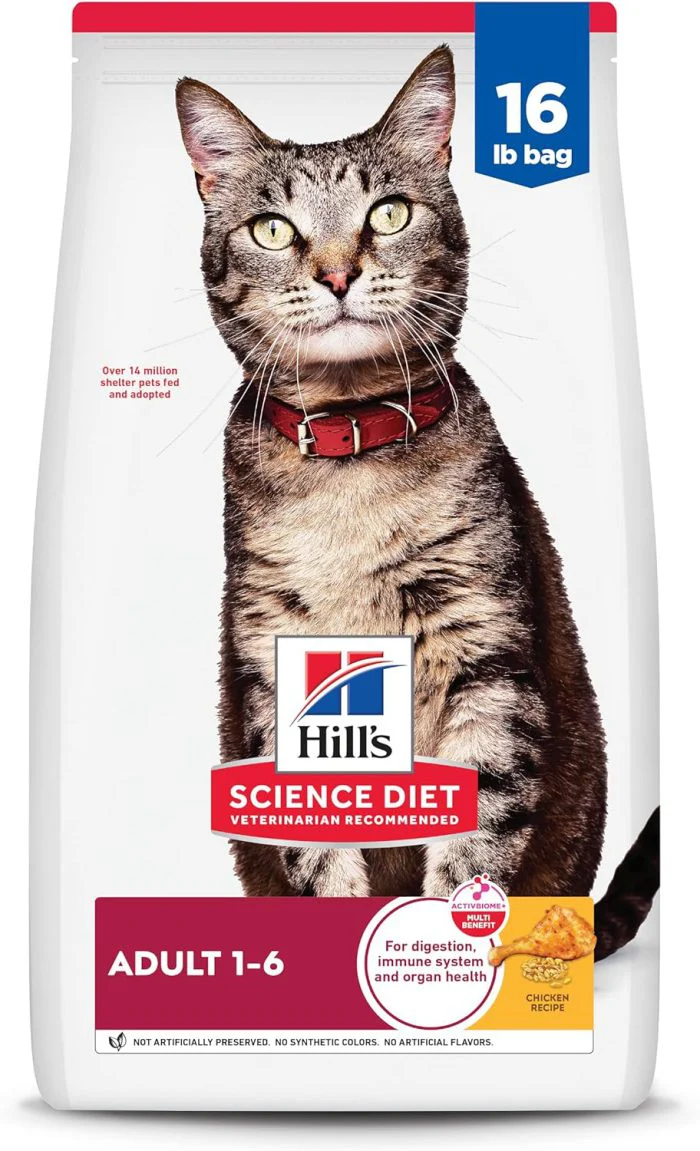
Premium Adult Cat Food: Chicken Recipe, 16 lb. Bag
Hill's Science Diet Premium Adult Cat Food: Nourish your cat with real chicken in this…
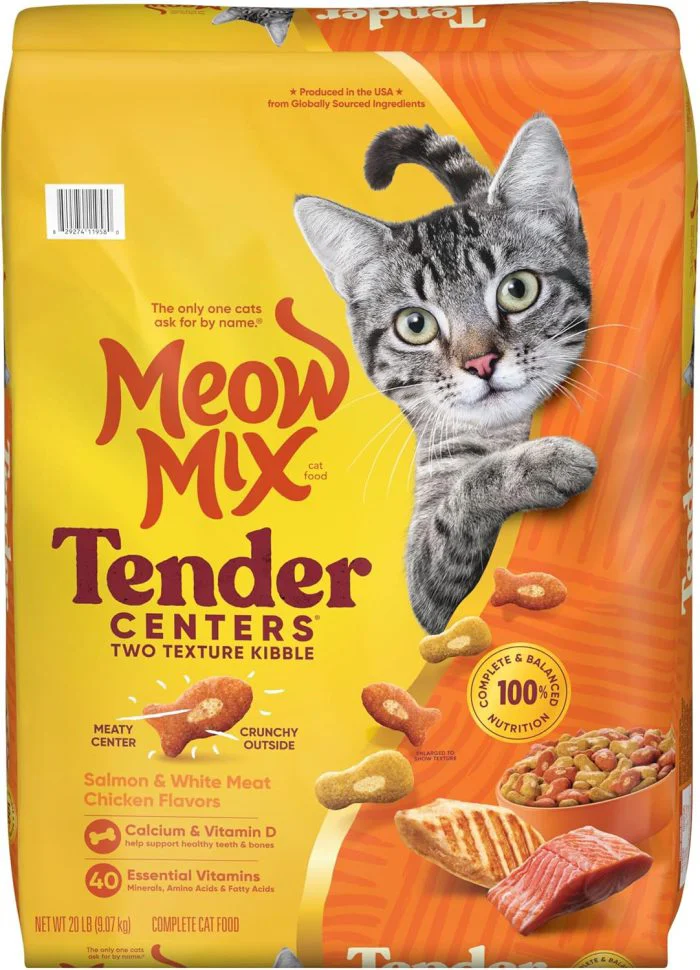
Salmon & Chicken Dry Cat Food, 20 lb. Bag
Meow Mix Salmon & Chicken Dry Cat Food in a 20 lb. bag. A tasty,…
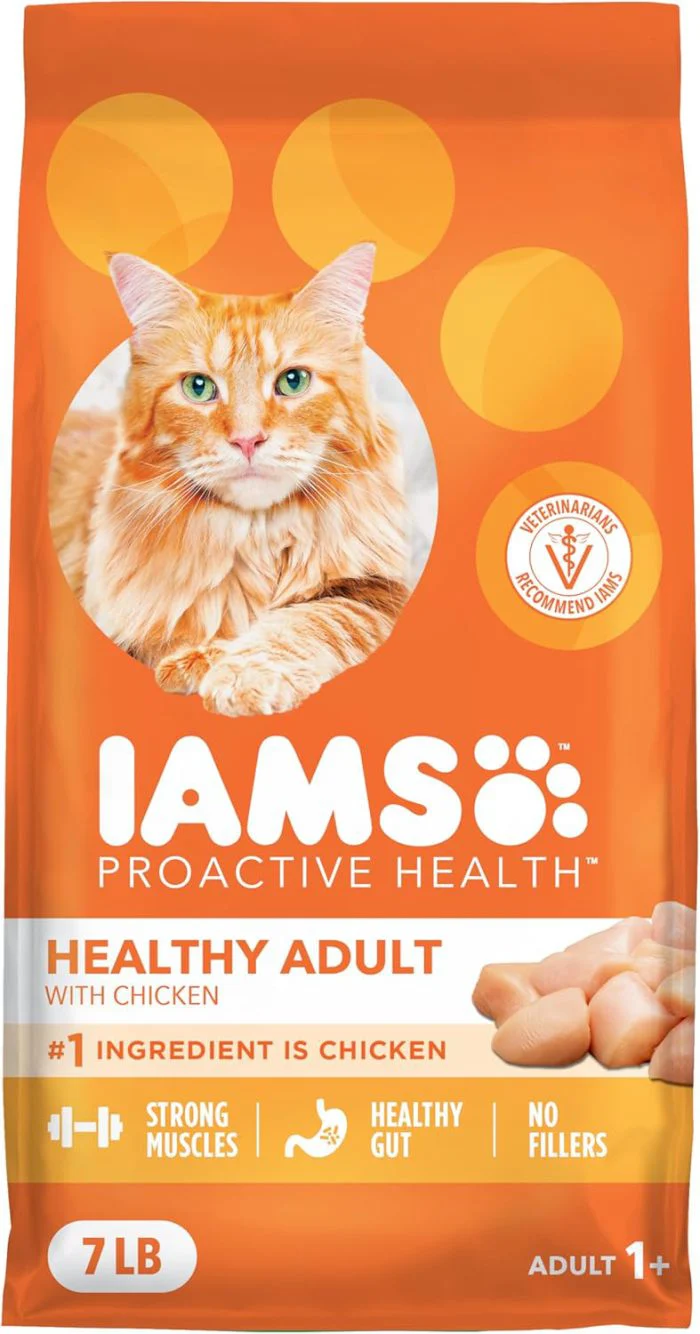
Healthy Adult Cat Food with Chicken – 7 lb Bag
IAMS Healthy Adult Cat Food with Chicken in a 7 lb bag. Premium nutrition for…
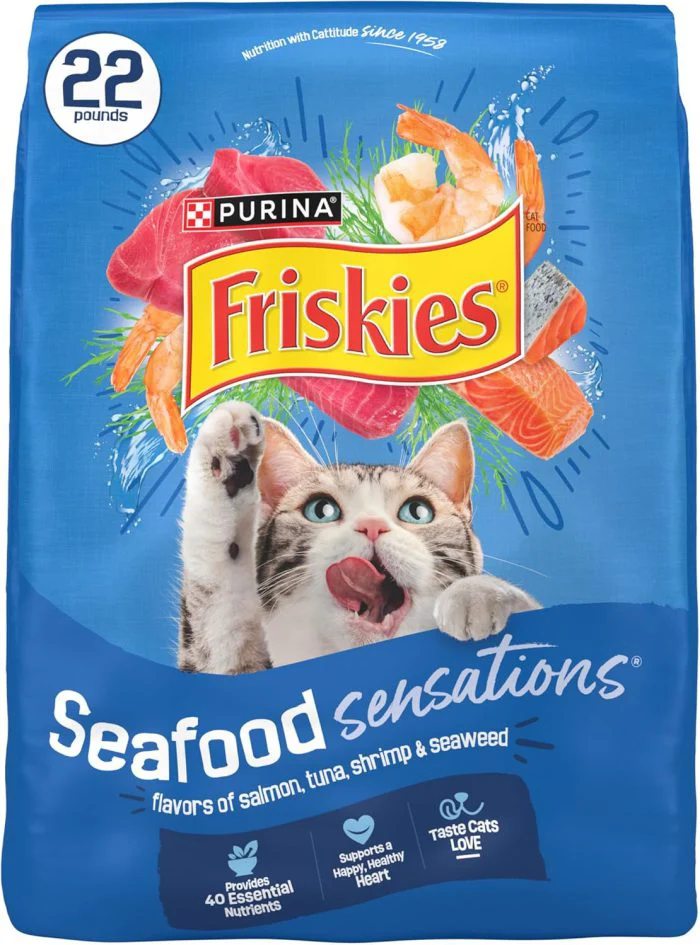
Seafood Sensations Dry Cat Food with Salmon & Tuna
Friskies Seafood Sensations dry cat food. Real salmon & tuna in every bite. Irresistible taste…
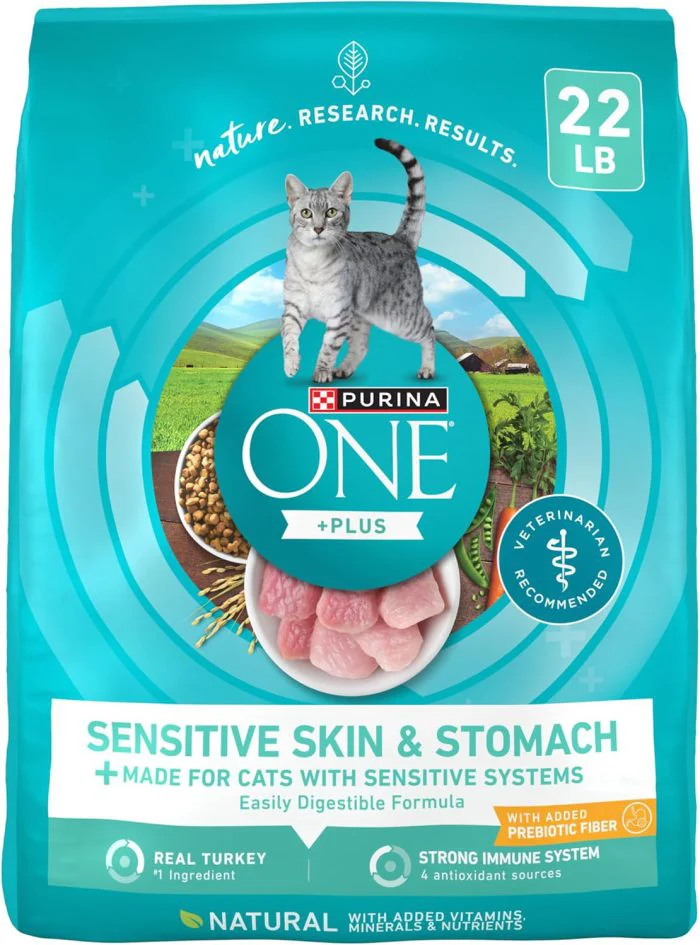
Sensitive Stomach & Skin Dry Cat Food – 22 lb
Purina ONE Sensitive Stomach & Skin Dry Cat Food, 22 lb bag. Supports digestion &…
Related Articles
 Cat Food Guide
What Are The Top 5 Healthiest Cat Food Brands? Expert-Vetted Picks for 2026
 Cat Food Guide
What Is the Best Wet Cat Food for Picky Eaters? A Vet-Approved Strategy
 Cat Food Guide
What Food Is Hypoallergenic for Cats? A 2026 Vet-Approved Guide & Action Plan
 Cat Food Guide
What Are the Top 3 Cat Foods? Expert-Picked for 2026
 Cat Food Guide
What are the five cat foods to avoid? A Vet-Approved Safety Guide
 Cat Food Guide