



What Is the Healthiest Food for a Cat? A Vets Guide to Optimal Nutrition

Asking “what is the healthiest food for a cat?” is a sign of a caring pet owner looking to cut through marketing hype and find a truly evidence-based answer. The healthiest diet is not a single brand or ingredient, but a complete and balanced nutritional plan tailored to your cat’s unique life stage, health status, and preferences, built on a foundation of high-quality animal protein and essential nutrients. This guide, informed by veterinary nutritional principles, will translate the science into practical choices you can make today, empowering you to provide optimal care for your feline companion.
Cats are obligate carnivores. Their biology is fine-tuned to derive energy and nutrients from animal tissue. A truly healthy food must deliver on these five non-negotiable pillars:
Wet vs. Dry vs. Raw: A Balanced Look at Food Types
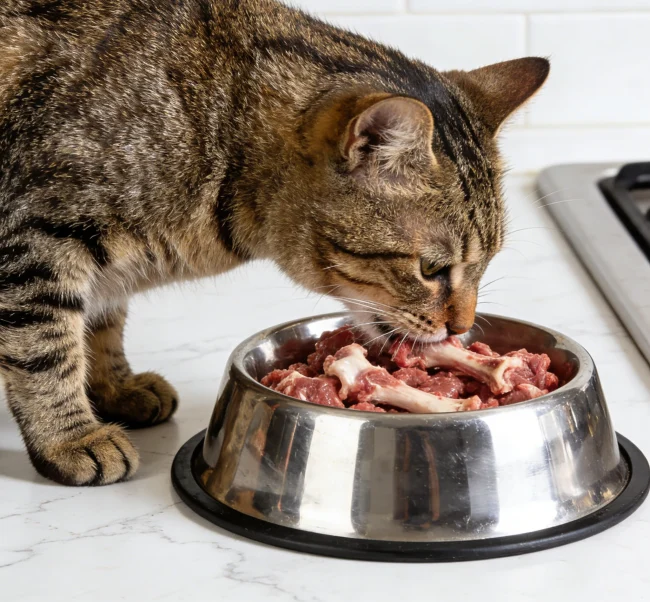
Each food type has pros and cons. The “healthiest” choice often involves a combination that suits your cat and your lifestyle.
| Food Type | Key Benefits | Important Considerations |
|---|---|---|
| Wet (Canned/Pouched) Food | High moisture content (70-80%) supports hydration and urinary tract health. Typically higher in protein and lower in carbohydrates. Often more palatable. | More expensive per calorie. Can contribute to dental plaque if not supplemented with dental care. Requires refrigeration after opening. |
| Dry (Kibble) Food | Convenient and cost-effective. Can be left out for free-feeding. Some formulas are designed for dental health through mechanical abrasion. | Low moisture content (around 10%). Often higher in carbohydrates. Easy to overfeed, leading to weight gain. |
| Raw or Homemade Diets | Potential for high palatability and moisture. Full control over ingredients. | High Risk: Significant potential for bacterial contamination (Salmonella, E. coli) for both pet and human. Nutritional imbalances are very common without expert formulation. Not recommended by most veterinary nutritionists without rigorous oversight. |
Many veterinarians recommend a mixed feeding approach, combining wet food for its moisture benefits with measured portions of dry food for convenience and dental aid, tailoring the ratio to your cat’s needs.
How to Choose: Decoding the Cat Food Label
The label is your most important tool. Move past the marketing on the front and go straight to the back.
1. The AAFCO Statement: This is the most critical line. It must state: “[Product Name] is formulated to meet the nutritional levels established by the AAFCO Cat Food Nutrient Profiles for [Life Stage, e.g., all life stages, adult maintenance, growth].” This confirms the food is nutritionally complete.
2. The Ingredient List: Ingredients are listed by weight. The first three ingredients are the bulk of the food.
3. The Guaranteed Analysis: This shows minimum/maximum percentages of key nutrients. For a healthy adult cat, a rough guide is:
Tailoring Diet to Your Cat’s Life Stage
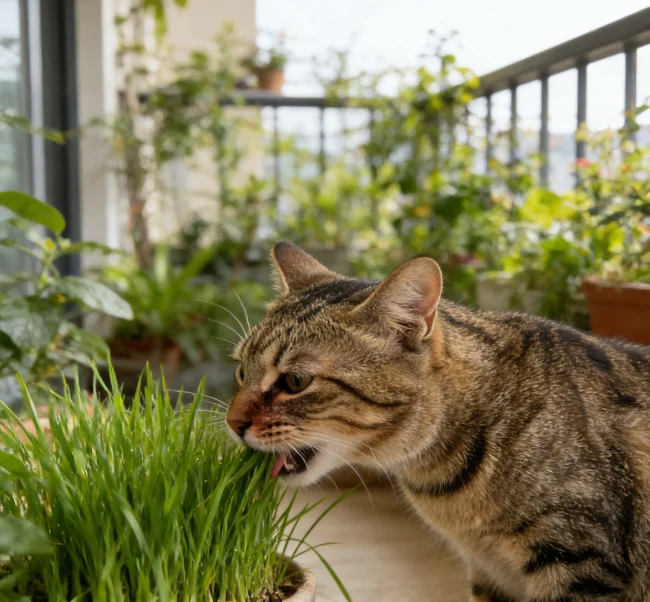
A kitten’s needs differ vastly from a senior’s. Feeding a “one-size-fits-all” or “all life stages” food may not be optimal.
Special Dietary Considerations for Common Health Issues
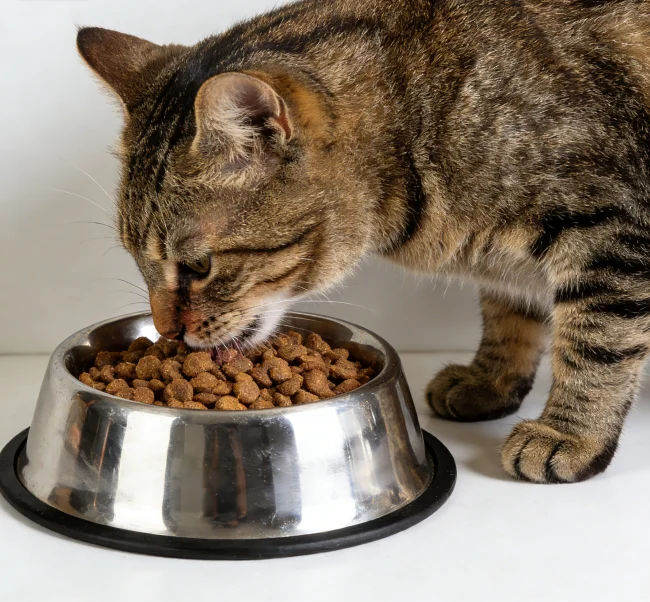
While a veterinarian must diagnose and prescribe therapeutic diets, understanding the principles helps you be a better partner in your cat’s care.
Answering Your Top Questions (FAQ)
Here, we address the practical gaps left by many other guides, providing actionable advice for real-world application.
Q: How can I feed my cat a healthy diet on a budget?
A: Prioritize. If feeding all wet food is cost-prohibitive, use it as a “moisture meal” once daily. For dry food, buy the best quality you can afford—larger bags often have a lower cost per ounce. Focus on foods with a named animal protein as the first ingredient. Remember, investing in quality nutrition may help avoid costly veterinary bills for nutrition-related illnesses later.
Q: How do I safely transition my cat to a new, healthier food?
A: Abrupt changes cause digestive upset. Use a gradual 7-10 day transition:
For picky cats, extend this schedule or try warming wet food slightly to enhance aroma.
Q: Does my cat need supplements if I’m feeding a “complete” food?
A: Generally, no. AAFCO-complete foods are designed to be nutritionally sufficient. Adding supplements without veterinary guidance can unbalance the diet and cause harm. Exceptions are made only under direct veterinary supervision for specific medical conditions (e.g., omega-3s for severe arthritis, B vitamins for certain illnesses).
Q: Is grain-free food healthier for cats?
A: Not necessarily. Most cat food allergies are to animal proteins, not grains. Grain-free diets often substitute grains with other carbohydrate sources like potatoes or legumes. There is no proven health benefit for the average cat from a grain-free diet, and some legume-rich diets have been investigated for a potential link to heart disease in dogs (DCM); the research in cats is ongoing. Choose food based on its overall protein quality and composition, not the presence or absence of grains.
Q: How much should I feed my cat?
A: There is no universal answer. Start with the feeding guide on your food’s package, which is based on weight, but treat this as a starting point only. Your cat’s metabolism, activity level, and whether they are spayed/neutered drastically affect needs. Use a body condition score chart: you should be able to feel their ribs easily with a slight fat covering, and they should have a visible waist when viewed from above. Adjust portions monthly to maintain ideal weight.
Q: What about homemade cat food?
A: Formulating a nutritionally balanced homemade diet is extremely complex and risky. A 2025 study in the Journal of the American Veterinary Medical Association found over 95% of online recipes for healthy cats were deficient in at least one critical nutrient. If you are determined to pursue this, you must work with a board-certified veterinary nutritionist (DACVIM-Nutrition) to create and review a custom recipe. Never follow a generic recipe from the internet.
Providing the healthiest food for your cat is an ongoing commitment to understanding their unique nutritional language. It combines the science of high-quality commercial diets with the art of observation—monitoring their weight, energy, and litter box habits. The single most important step you can take is to partner with your veterinarian. Discuss your cat’s diet at every annual check-up, and seek their guidance before making any major changes, especially for senior cats or those with health concerns. This collaborative approach, grounded in expertise and tailored to your individual cat, is the ultimate recipe for lifelong health and vitality.

Related Products
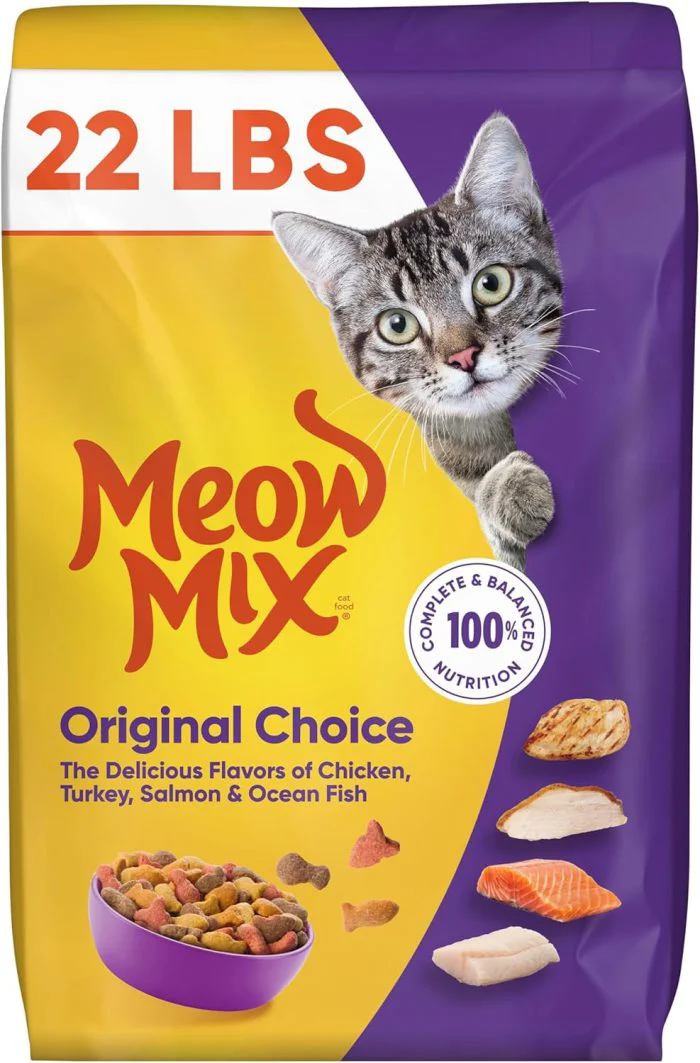
Meow Mix : Original Choice Dry Cat Food, 22 lb Bag
Save big on your cat's favorite! Meow Mix Original Choice Dry Cat Food in the…
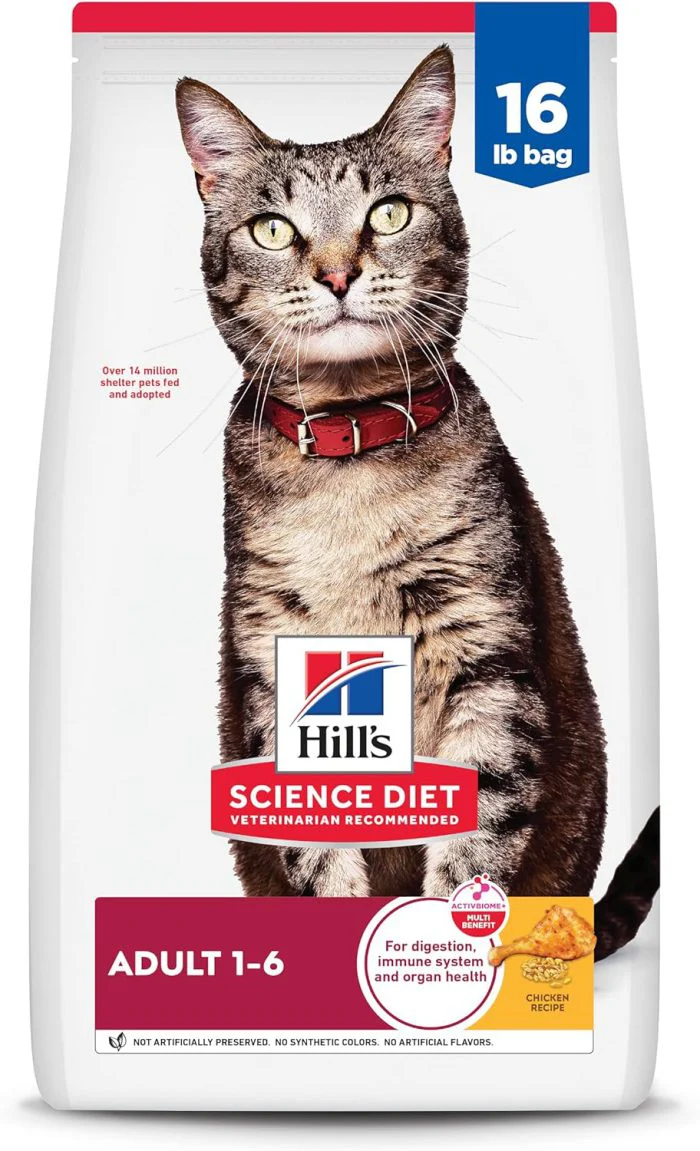
Premium Adult Cat Food: Chicken Recipe, 16 lb. Bag
Hill's Science Diet Premium Adult Cat Food: Nourish your cat with real chicken in this…
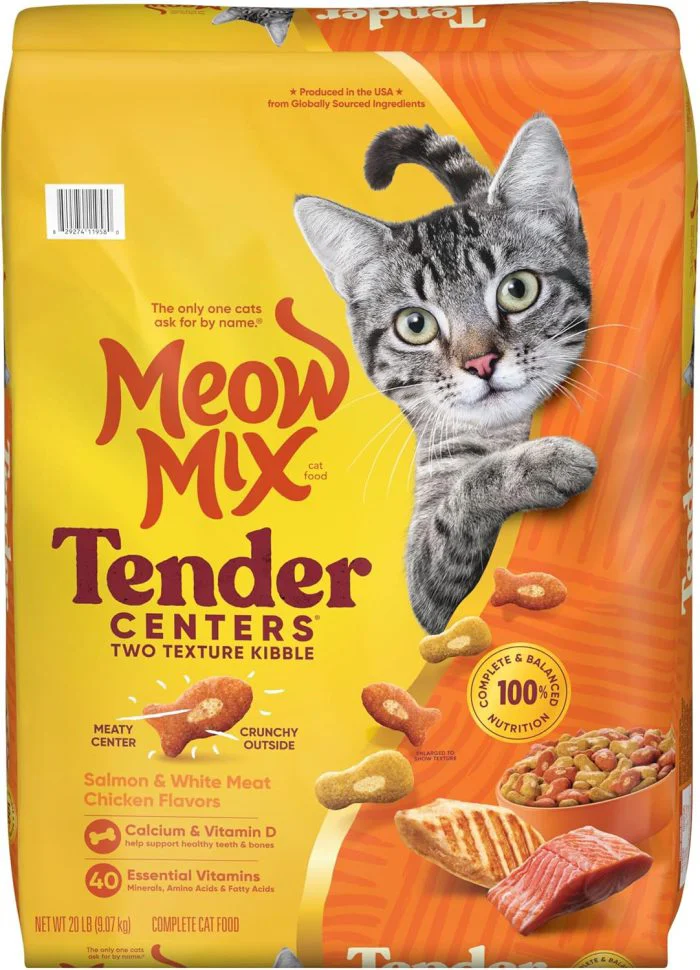
Salmon & Chicken Dry Cat Food, 20 lb. Bag
Meow Mix Salmon & Chicken Dry Cat Food in a 20 lb. bag. A tasty,…
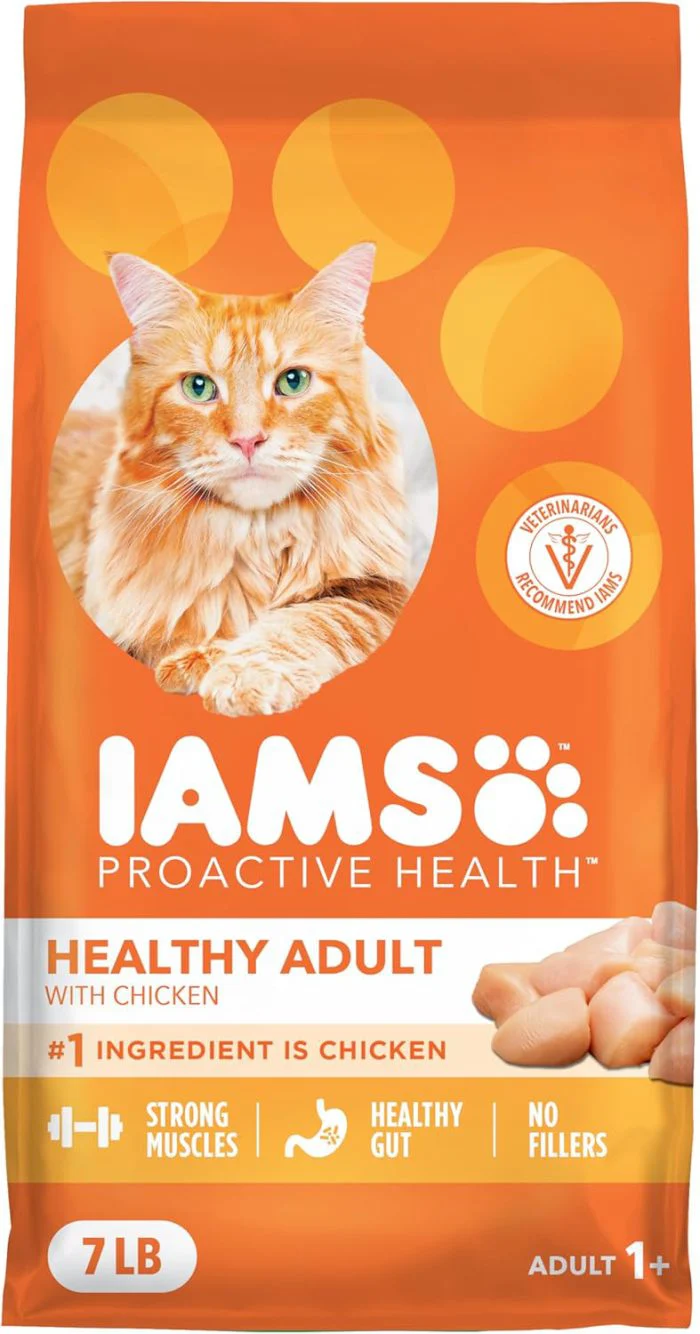
Healthy Adult Cat Food with Chicken – 7 lb Bag
IAMS Healthy Adult Cat Food with Chicken in a 7 lb bag. Premium nutrition for…
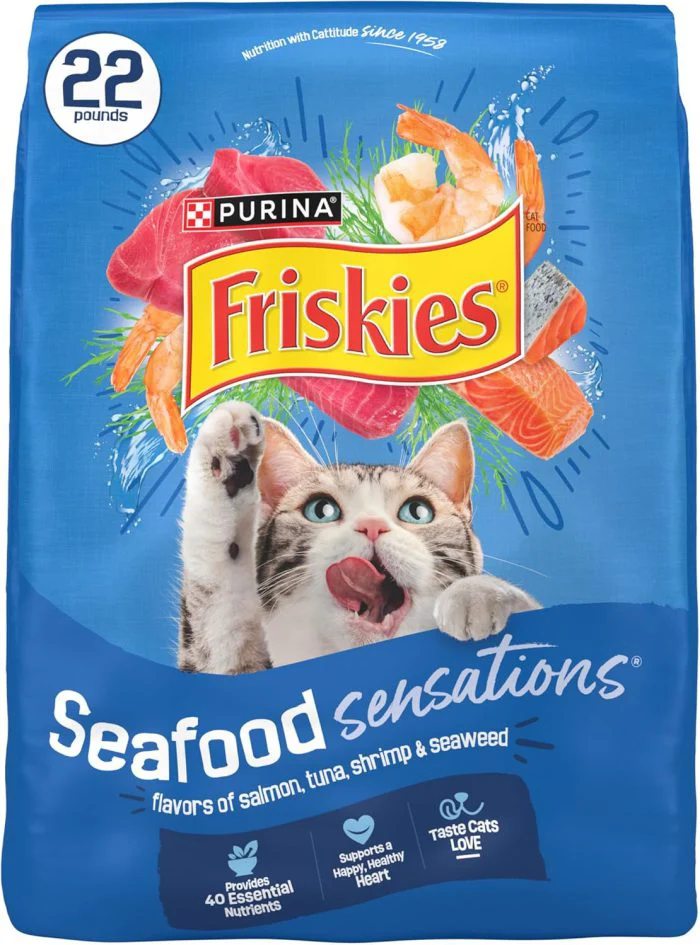
Seafood Sensations Dry Cat Food with Salmon & Tuna
Friskies Seafood Sensations dry cat food. Real salmon & tuna in every bite. Irresistible taste…
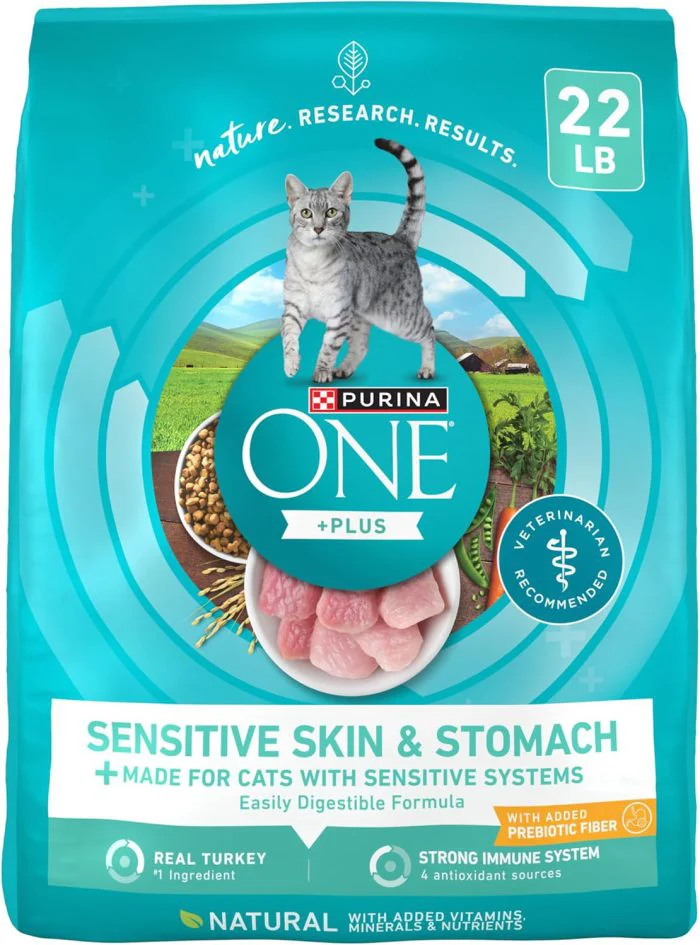
Sensitive Stomach & Skin Dry Cat Food – 22 lb
Purina ONE Sensitive Stomach & Skin Dry Cat Food, 22 lb bag. Supports digestion &…
Related Articles
 Cat Food Guide
What are the five cat foods to avoid? A Vet-Approved Safety Guide
 Cat Food Guide
What Food Is Hypoallergenic for Cats? A 2026 Vet-Approved Guide & Action Plan
 Cat Food Guide
What treat is irresistible to cats? A Vets Guide to Feline Taste & Top Picks
 Cat Food Guide
What Is the One Meat to Never Feed a Cat? The Raw Fish Danger Explained
 Cat Food Guide
Which Brand of Wet Cat Food Is the Healthiest? A 2026 Vet-Approved Guide
 Cat Food Guide