




What Is the Best Food for Cats With Allergies? A Vets 2026 Guide to Diagnosis & Diets

If you’re asking “What is the best food for cats with allergies?” you’re likely a concerned pet owner navigating a frustrating and often confusing journey. The best food isn’t a single brand, but a carefully selected diet based on a proper veterinary diagnosis. Managing feline food allergies is a process that hinges on identifying the specific trigger through an elimination diet trial, then committing to a long-term, hypoallergenic nutrition plan. This guide provides a veterinarian-backed roadmap, from confirming the allergy to choosing and transitioning to the right food, empowering you with the knowledge to ease your cat’s discomfort effectively and safely.
Before searching for a solution, it’s crucial to confirm the problem. True food allergies involve the immune system overreacting to a specific protein (like chicken, beef, or fish). Food intolerances, however, are digestive issues without an immune response, often related to additives or carbohydrates. The symptoms can overlap, but allergies more commonly cause intense itching, skin inflammation, and ear infections, while intolerances may primarily lead to vomiting or diarrhea. A key first step is ruling out environmental allergies (like pollen or dust mites), which require entirely different management. The table below clarifies these differences to help you discuss symptoms more accurately with your vet.
| Condition | Primary Cause | Common Symptoms | Body System Affected |
|---|---|---|---|
| Food Allergy | Immune reaction to a dietary protein | Itchy skin, redness, ear infections, hair loss, miliary dermatitis (scabby bumps) | Skin, gastrointestinal, respiratory |
| Food Intolerance | Digestive inability to process an ingredient | Vomiting, diarrhea, gas, bloating | Gastrointestinal |
| Environmental Allergy (Atopy) | Immune reaction to inhaled allergens | Seasonal itching, paw licking, face rubbing | Skin, respiratory |
The Gold Standard Diagnosis: The Elimination Diet Trial
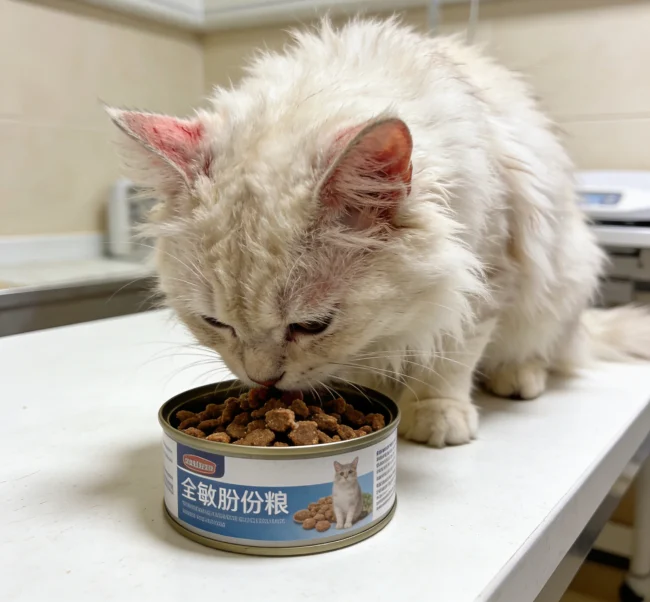
There is no reliable blood or saliva test for diagnosing food allergies in cats. The only definitive method is an elimination diet trial, followed by a provocative challenge. This must be done under veterinary guidance to ensure your cat’s nutritional needs are met. The process involves feeding a novel or hydrolyzed protein diet exclusively for 8-12 weeks, with absolutely no other foods, treats, or flavored medications.
Here is a simplified 8-week timeline to manage expectations:
What Makes a Food “Hypoallergenic”?
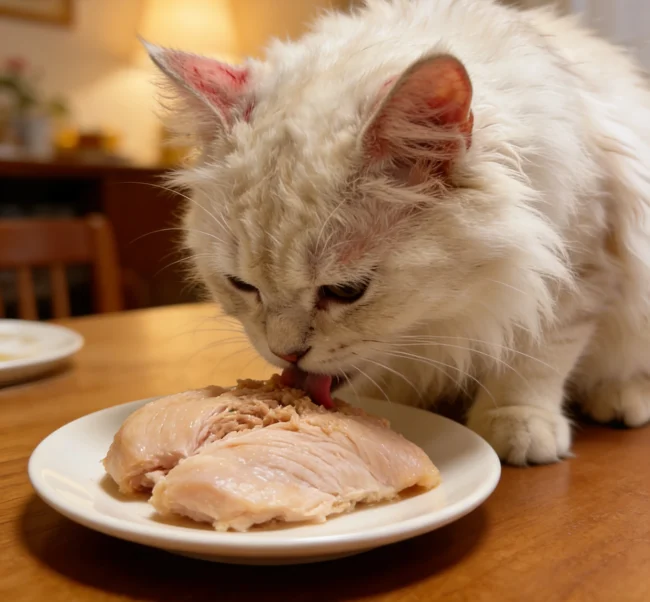
A hypoallergenic diet is formulated to minimize the chance of an allergic reaction. There are three main types, each working on a different principle:
Comparing Your Options: A Practical Guide
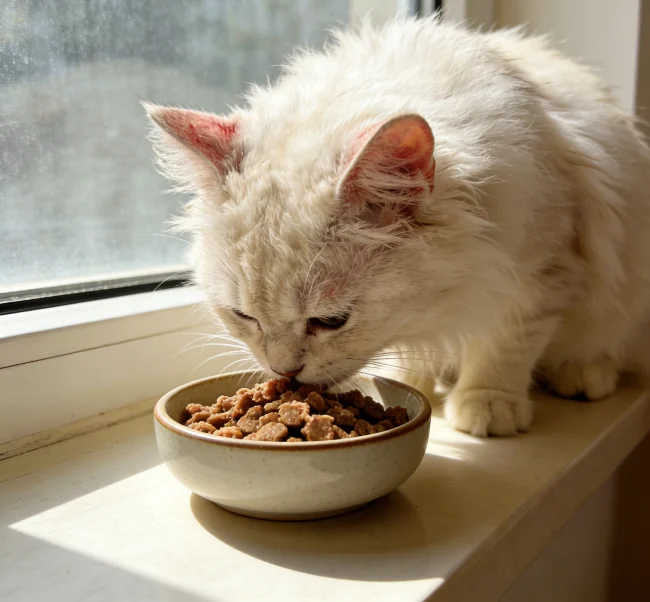
One significant gap in existing content is a clear, side-by-side comparison of the leading options. The choice between a veterinary-prescribed diet and a commercial novel protein diet often comes down to the severity of the allergy, cost, and convenience. Prescription diets are clinically proven and highly reliable but require a vet visit. Over-the-counter LID diets are more accessible but vary greatly in quality and cross-contamination risk.
| Diet Type & Examples | Key Protein Source | Best For | Price Estimate (Monthly) | Where to Buy |
|---|---|---|---|---|
| Hydrolyzed Prescription (e.g., Royal Canin Hypoallergenic, Hill’s Prescription Diet z/d, Purina Pro Plan HA) |
Hydrolyzed Chicken or Soy | Cats with severe/multiple allergies, failed novel protein trials | $60 – $100+ | Veterinary Clinics, Online Pharmacies |
| Novel Protein Prescription (e.g., Royal Canin Selected Protein, Hill’s Prescription Diet d/d) |
Duck, Venison, Rabbit, Kangaroo | Cats allergic to common proteins (chicken, beef, fish) | $50 – $90 | Veterinary Clinics, Online Pharmacies |
| Commercial Novel Protein / LID (e.g., Instinct Limited Ingredient, Natural Balance LID, Blue Buffalo Basics) |
Duck, Lamb, Salmon, Turkey | Mild sensitivities, budget-conscious long-term management (after diagnosis) | $30 – $70 | Pet Stores, Online Retailers |
Transitioning Your Cat and Managing Expectations
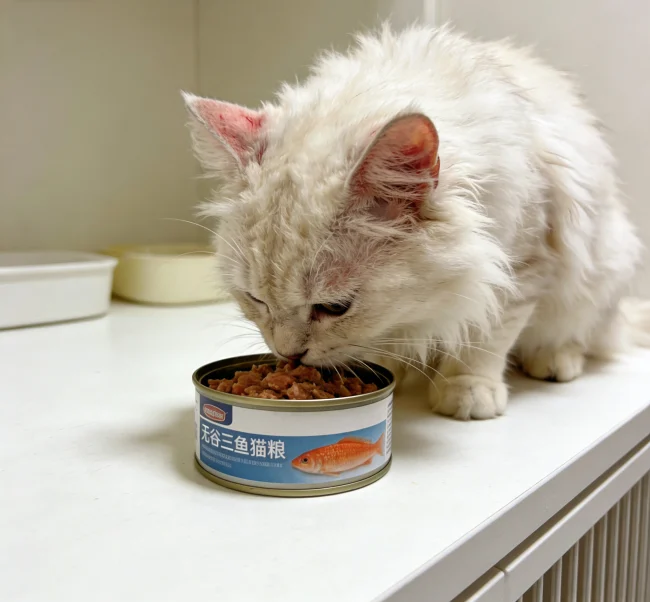
Switching any cat’s food requires patience, especially for a picky eater with gastrointestinal upset. A sudden change can cause refusal or digestive issues, muddying the trial results.
First 14-Day Transition Guide:
Monitor stool consistency and appetite daily. If diarrhea occurs, slow the transition. Remember, skin symptoms may take 6-8 weeks to show significant improvement, so consistency is key.
Beyond Food: Holistic Support for Your Allergic Cat
While diet is the cornerstone of managing food allergies, supporting overall health can reduce inflammation and improve outcomes.
Frequently Asked Questions (FAQ)
Q: How long until I see results after starting a hypoallergenic diet?
You may see improvements in gastrointestinal symptoms like vomiting or diarrhea within 1-2 weeks. However, dermatological signs like itching, redness, and hair loss can take a full 8 to 12 weeks of strict diet adherence to show significant improvement. Patience during the trial period is critical for an accurate diagnosis.
Q: Can food allergies in cats be cured?
Food allergies cannot be cured, but they can be effectively managed. Once the offending allergen is identified through an elimination diet, the long-term solution is lifelong avoidance of that ingredient. By consistently feeding a diet that does not contain the trigger protein, your cat can live a completely symptom-free life.
Q: Is a raw food or homemade diet better for cats with allergies?
While a homemade diet allows for ultimate control over ingredients, it is strongly discouraged without direct supervision from a veterinary nutritionist. Formulating a balanced diet that provides all essential nutrients (like taurine, calcium, and vitamins) is complex. Imbalanced homemade diets can cause severe nutritional deficiencies. Most veters recommend a commercially prepared, balanced hypoallergenic diet for safety and efficacy.
Q: What are the most common food allergens for cats?
The most common protein allergens for cats are chicken, beef, fish, and dairy. These are prevalent because they are common ingredients in cat foods, leading to repeated exposure. Allergies to grains like corn or wheat are far less common than allergies to animal proteins.
Q: Can my cat develop new allergies later in life?
Yes. Cats can develop food allergies at any age, even to a protein they have eaten without issue for years. It is the repeated exposure that can eventually sensitize the immune system. If your cat suddenly shows allergic symptoms on a long-term diet, a food allergy should be considered.
Q: What’s the difference between prescription and over-the-counter “hypoallergenic” food?
Prescription hypoallergenic diets (hydrolyzed or novel protein) are manufactured under strict protocols to prevent cross-contamination with other proteins and are backed by clinical trials. Over-the-counter “limited ingredient” or “sensitive stomach” diets may not have the same quality control, potentially containing trace amounts of common allergens, which can undermine an elimination trial.
Q: Are there any blood tests to diagnose food allergies?
Blood and saliva tests that claim to diagnose food allergies are available but are considered unreliable by veterinary dermatology specialists. They often produce false positive or false negative results. The elimination diet trial remains the only accurate and trusted diagnostic method.
Q: What if my cat refuses to eat the elimination diet?
Palatability can be a challenge. Work with your vet, who may have samples of different hydrolyzed or novel protein diets to try. Gently warming the food or using a vet-approved, single-ingredient topper from the novel protein source (like a bit of plain boiled duck) can help. Never give in with old treats, as it resets the trial.
Successfully managing your cat’s food allergies is a commitment to a precise process: proper veterinary diagnosis, a strict elimination trial, and a lifelong, appropriate diet. By understanding the science behind hypoallergenic foods and following a structured plan, you can identify the trigger and provide lasting relief. Always partner with your veterinarian to tailor this journey to your cat’s specific needs, ensuring they return to a comfortable, happy, and itch-free life.

Related Products
Meow Mix : Original Choice Dry Cat Food, 22 lb Bag
Save big on your cat's favorite! Meow Mix Original Choice Dry Cat Food in the…
Premium Adult Cat Food: Chicken Recipe, 16 lb. Bag
Hill's Science Diet Premium Adult Cat Food: Nourish your cat with real chicken in this…
Salmon & Chicken Dry Cat Food, 20 lb. Bag
Meow Mix Salmon & Chicken Dry Cat Food in a 20 lb. bag. A tasty,…
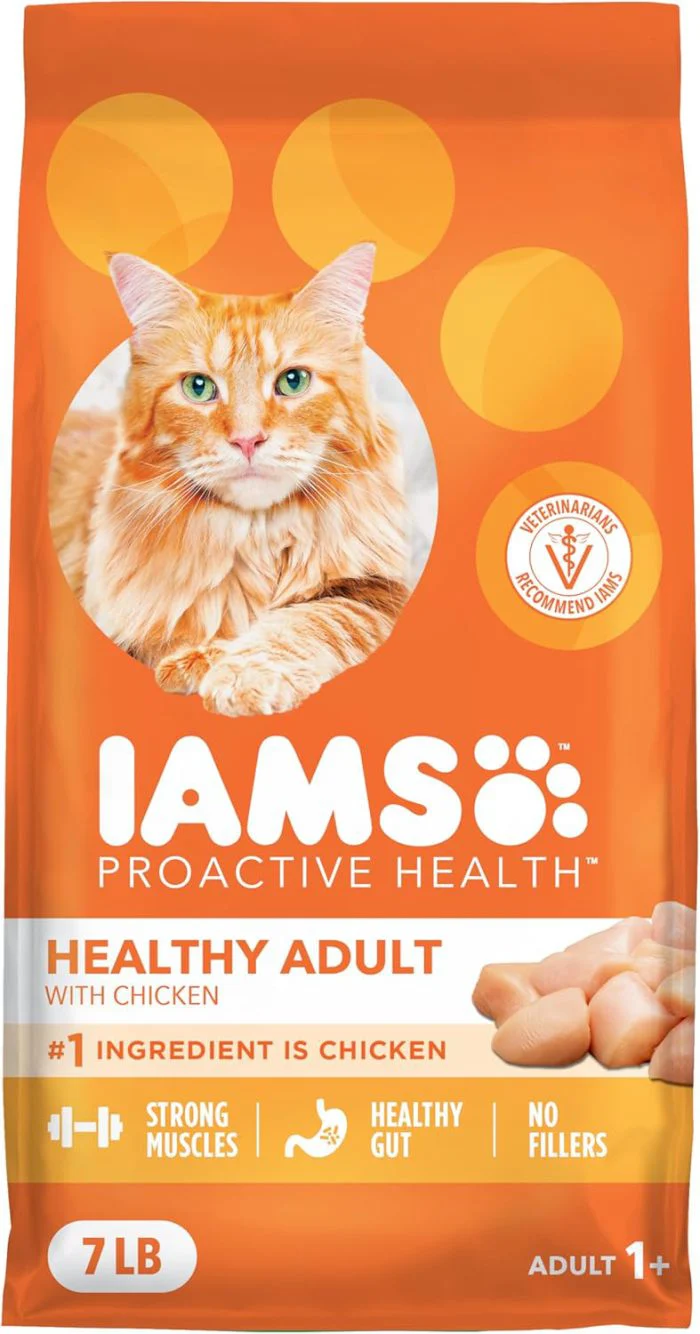
Healthy Adult Cat Food with Chicken – 7 lb Bag
IAMS Healthy Adult Cat Food with Chicken in a 7 lb bag. Premium nutrition for…
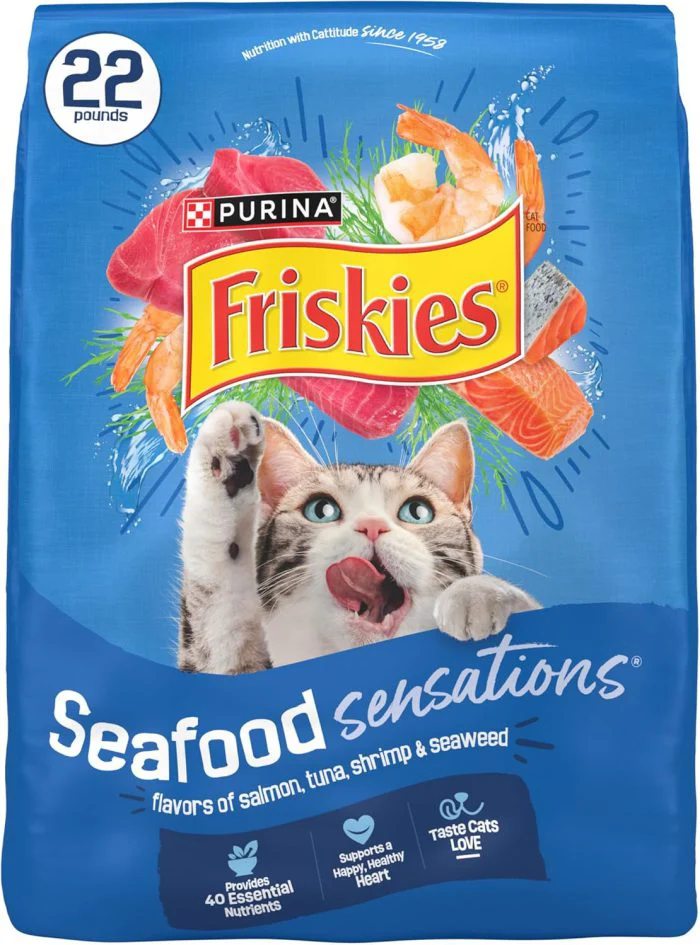
Seafood Sensations Dry Cat Food with Salmon & Tuna
Friskies Seafood Sensations dry cat food. Real salmon & tuna in every bite. Irresistible taste…
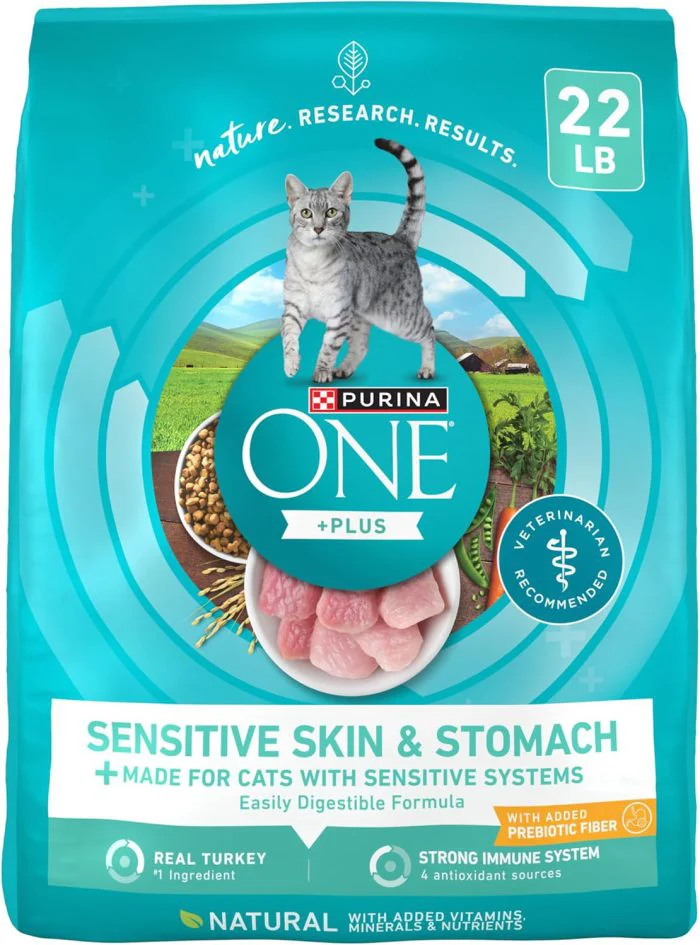
Sensitive Stomach & Skin Dry Cat Food – 22 lb
Purina ONE Sensitive Stomach & Skin Dry Cat Food, 22 lb bag. Supports digestion &…
Related Articles
 Cat Food Guide
What Are Signs of Food Allergies in Cats? A Vets Guide to Symptoms & Solutions
 Cat Food Guide
What treats do cats love the most? A Science-Based Guide to Feline Taste
 Cat Food Guide
Best Wet Cat Food for Indoor Cats – 2026 Vet Guide & Feeding Toolkit
 Cat Food Guide
What Food Is Hypoallergenic for Cats? A 2026 Vet-Approved Guide & Action Plan
 Cat Food Guide
What treat is irresistible to cats? A Vets Guide to Feline Taste & Top Picks
 Cat Food Guide