



What Food Is Hypoallergenic for Cats? A 2026 Vet-Approved Guide & Action Plan

If you’re asking “What food is hypoallergenic for cats?” you’re likely a concerned cat owner noticing distressing symptoms like relentless itching, digestive upset, or skin problems in your pet. The short answer is that truly hypoallergenic cat food typically falls into one of three categories: hydrolyzed protein diets, novel protein diets, or limited ingredient diets (LID). However, the real challenge isn’t just finding a list of foods—it’s navigating the complex journey of accurately identifying a food allergy, working with your veterinarian, and implementing a strategic plan for long-term management. This guide will provide you with a clear, step-by-step roadmap that goes beyond simple product recommendations, empowering you with the knowledge and actionable steps needed to help your cat find lasting relief.
The first critical step is determining if your cat’s symptoms are truly caused by a food allergy, as they often mimic other conditions like environmental allergies (atopy) or flea allergy dermatitis. Food allergies in cats are an immune system overreaction to a specific protein or, less commonly, a carbohydrate source. Common culprits include beef, dairy, chicken, fish, and wheat. It’s essential to compare symptoms systematically. The table below highlights key differences to help you and your veterinarian pinpoint the cause.
| Symptom | Food Allergy | Environmental Allergy |
|---|---|---|
| Primary Itching | Often severe, can be year-round, may not respond well to steroids. | Often seasonal (pollen, mold) or related to specific exposures (dust mites). |
| Skin Issues | Frequent ear infections, miliary dermatitis (scabby bumps), hair loss, sores from over-grooming. | Similar skin issues, but often focused on the head, neck, and base of the tail. |
| Digestive Problems | Common. Includes chronic vomiting, diarrhea, frequent hairballs, or gas. | Less common as a primary sign. |
| Onset | Can develop at any age, even to a food they’ve eaten for years. | More common in younger cats (1-3 years old). |
The Non-Negotiable First Step: Partnering With Your Veterinarian
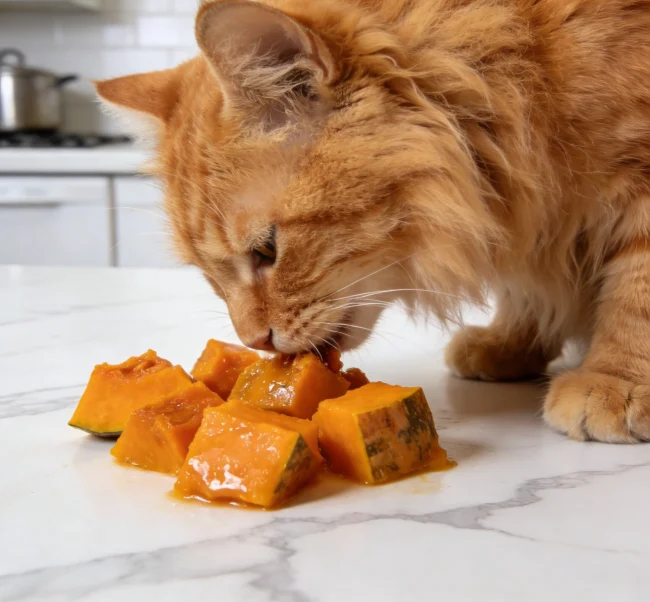
Before changing your cat’s diet, a veterinary consultation is mandatory. Self-diagnosing can delay treatment for more serious conditions like parasites, fungal infections, or autoimmune diseases. Your vet will perform a thorough physical exam and likely recommend diagnostic tests to rule out other causes. They are your essential partner in designing a safe and effective elimination diet trial, which is the only definitive way to diagnose a food allergy. They can also prescribe therapeutic diets that are not available over-the-counter.
Understanding Hypoallergenic Diets: The Science Made Simple
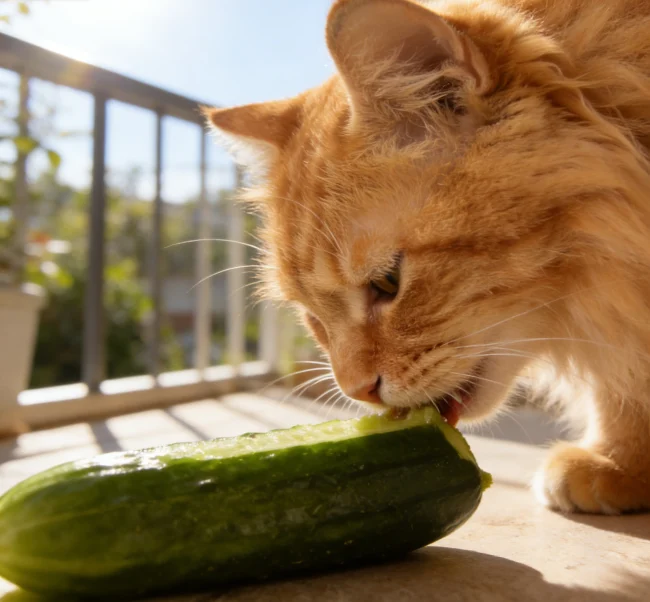
“Hypoallergenic” means the food is formulated to have a reduced potential to cause an allergic reaction. This is achieved through specific protein manipulation. Understanding the science behind the three main types empowers you to make an informed choice.
Your Action Plan: Conducting a Proper Elimination Diet
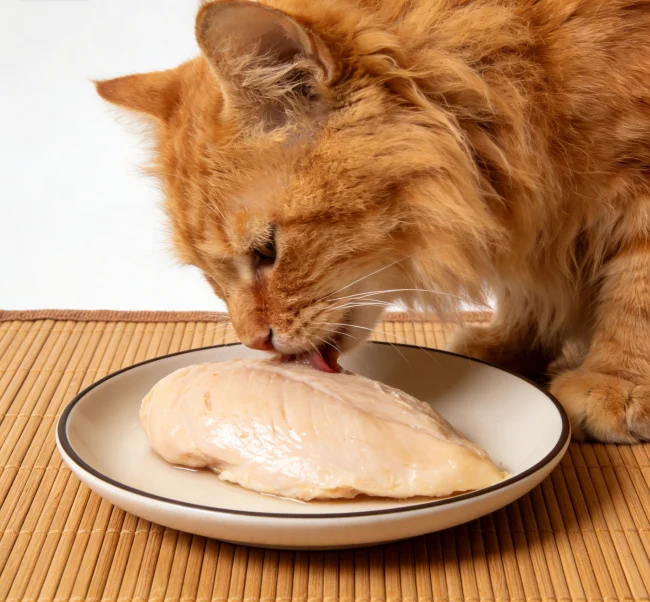
This is the most critical information gap in most online guides. A proper elimination diet trial is an 8-12 week commitment that requires strict adherence. Here is a simplified week-by-week guide.
How to Choose: Comparing Your Core Options
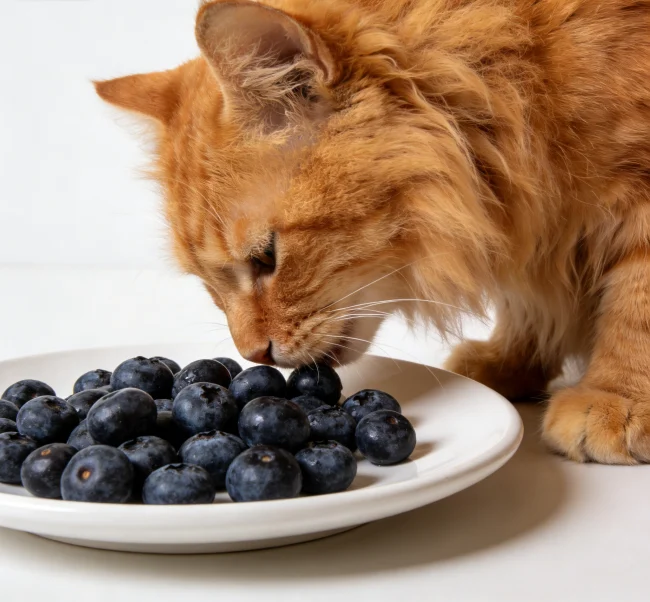
With the three main diet types explained, use this comparison table to understand their key differences in cost, accessibility, and best use cases.
| Diet Type | How It Works | Prescription Required? | Average Cost (Monthly) | Best For |
|---|---|---|---|---|
| Hydrolyzed Protein | Protein broken into non-allergenic fragments. | Yes, typically. | $60 – $120 | Severe/multiple allergies; definitive diagnosis; cats allergic to many proteins. |
| Novel Protein | Uses a protein source the cat has never eaten. | Some are OTC, some Rx. | $40 – $90 (OTC), $50 – $100 (Rx) | Suspected single-protein allergy; first-line elimination trial. |
| Limited Ingredient (LID) | Minimizes ingredients to one protein & one carb. | Most are OTC. | $30 – $70 | Mild sensitivities; budget-conscious management (with vet approval). |
Product Recommendations: A Two-Tiered Approach
Based on veterinary formulations, ingredient quality, and manufacturer reputation, here are categorized recommendations. Always choose a product in consultation with your veterinarian.
Veterinary-Prescription Tier:
Over-the-Counter (OTC) Tier:
Transitioning, Monitoring, and Long-Term Management
Success depends on a slow transition over 7-10 days. Once on the new diet, monitor closely. Significant improvement in itching and gastrointestinal signs should be evident within 4-8 weeks, though full skin healing takes longer. If symptoms persist, consult your vet; your cat may need a different protein source or further testing. Long-term management means committing to the successful diet exclusively. Remember, there is no cure for food allergies, only controlled avoidance.
Frequently Asked Questions (FAQ)
Q: How much does hypoallergenic cat food cost?
A: Prescription hydrolyzed or novel protein diets typically cost between $60 and $120 per month. Over-the-counter limited ingredient diets are more affordable, ranging from $30 to $70 monthly. The investment is significant but crucial for managing your cat’s health and preventing costly vet visits for secondary infections.
Q: Can I make homemade hypoallergenic food for my cat?
A: We strongly advise against this without direct supervision from a veterinary nutritionist. Formulating a nutritionally complete and balanced diet with a novel protein source is extremely complex. Deficiencies in taurine, calcium, or vitamins can cause severe, life-threatening health problems over time.
Q: What’s the difference between a food allergy and a food intolerance?
A: A food allergy involves the immune system, causing itching, skin, and often gut issues. A food intolerance (e.g., to lactose) is a digestive problem that does not involve the immune system, typically causing only vomiting or diarrhea. The elimination diet helps diagnose both, but the underlying mechanisms differ.
Q: How long does it take for hypoallergenic food to work?
A: You may see improvements in digestive symptoms like vomiting or diarrhea within a few days to a week. For skin symptoms and itching, it usually takes a minimum of 4 to 8 weeks on a strict diet to see significant improvement, as the skin needs time to heal.
Q: Are grain-free diets hypoallergenic?
A: Not necessarily. True food allergies in cats are far more commonly triggered by animal proteins (chicken, beef, fish) than by grains. A grain-free diet may help if your cat has a rare grain allergy or a sensitivity, but for most cats, switching to a novel protein is more important than simply removing grains.
Q: What if my cat’s symptoms don’t improve on hypoallergenic food?
A: This is a clear sign to revisit your veterinarian. Possible reasons include an incorrect diagnosis (e.g., environmental allergies), an allergy to an ingredient in the new diet, cross-contamination from treats/other foods, or the presence of a concurrent medical condition. Further diagnostic work may be needed.
Q: Can cat food allergies develop suddenly?
A: Yes. A cat can eat the same food for years without issue before its immune system suddenly identifies a protein in that food as an allergen and mounts a reaction. This is why age is not a reliable factor in ruling out a food allergy.
Q: Is a hydrolyzed protein diet better than a novel protein diet?
A: “Better” depends on the individual cat. Hydrolyzed diets are often more foolproof for diagnosis as they eliminate the risk of reacting to a novel protein you mistakenly think is “new.” They are excellent for cats with multiple allergies. Novel protein diets can be equally effective and sometimes more palatable if the correct protein is identified.
Navigating your cat’s suspected food allergy requires patience, precision, and a strong partnership with your veterinarian. By understanding the science behind hypoallergenic diets, committing to a strict elimination trial, and choosing a high-quality diet tailored to your cat’s specific needs, you can move from frustration to relief. Remember, the goal is not just to treat symptoms but to identify the culprit and provide a long-term management plan that allows your cat to live a comfortable, happy, and itch-free life.

Related Products
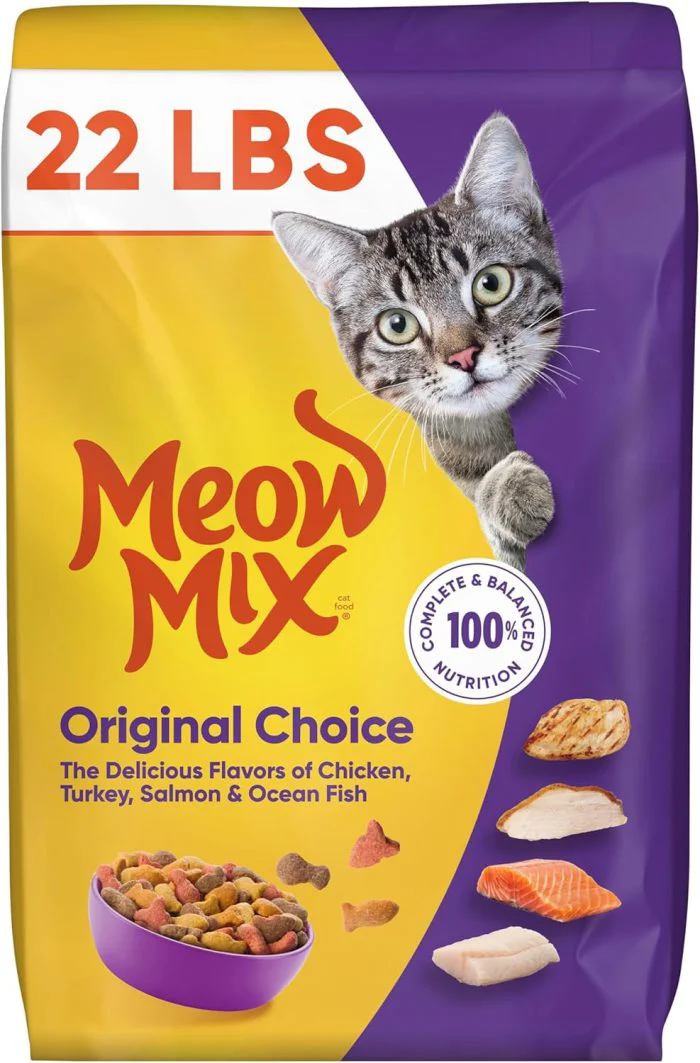
Meow Mix : Original Choice Dry Cat Food, 22 lb Bag
Save big on your cat's favorite! Meow Mix Original Choice Dry Cat Food in the…
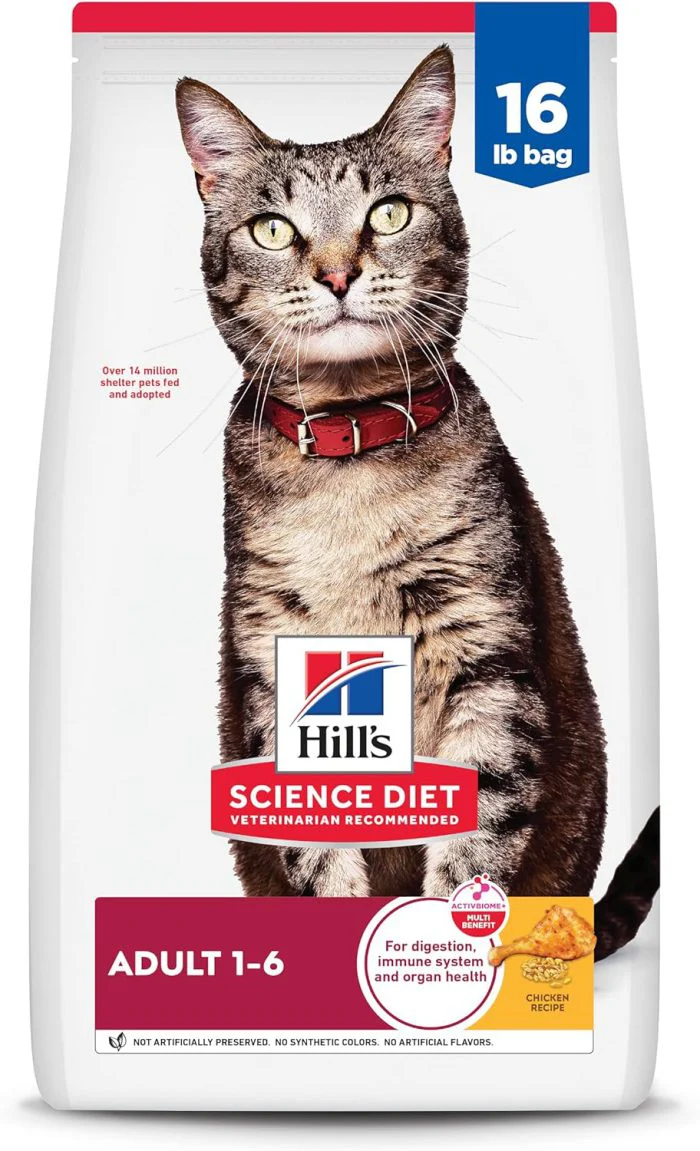
Premium Adult Cat Food: Chicken Recipe, 16 lb. Bag
Hill's Science Diet Premium Adult Cat Food: Nourish your cat with real chicken in this…
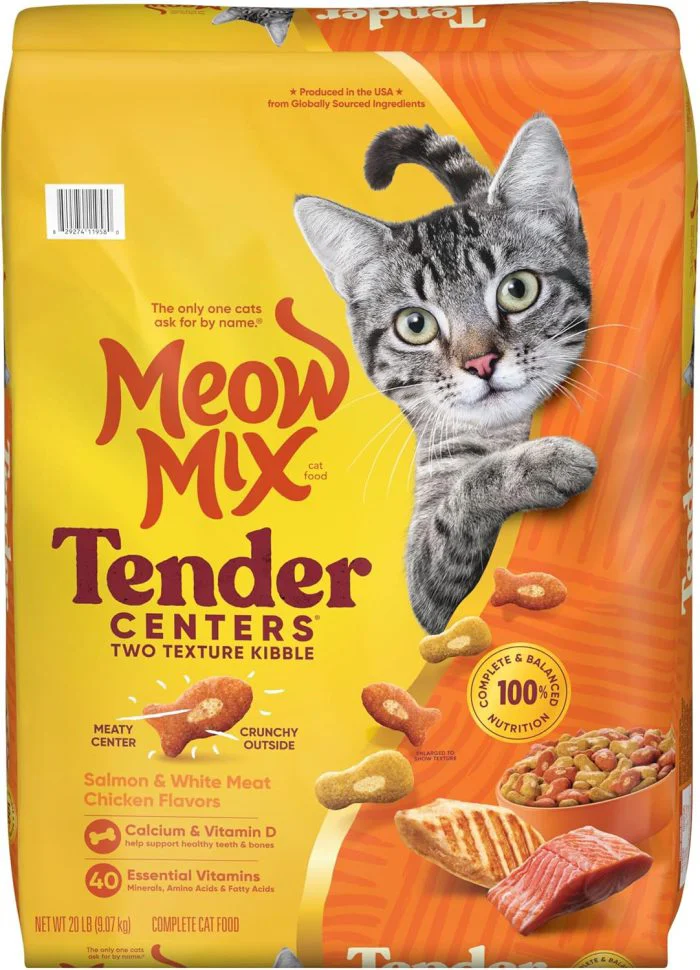
Salmon & Chicken Dry Cat Food, 20 lb. Bag
Meow Mix Salmon & Chicken Dry Cat Food in a 20 lb. bag. A tasty,…
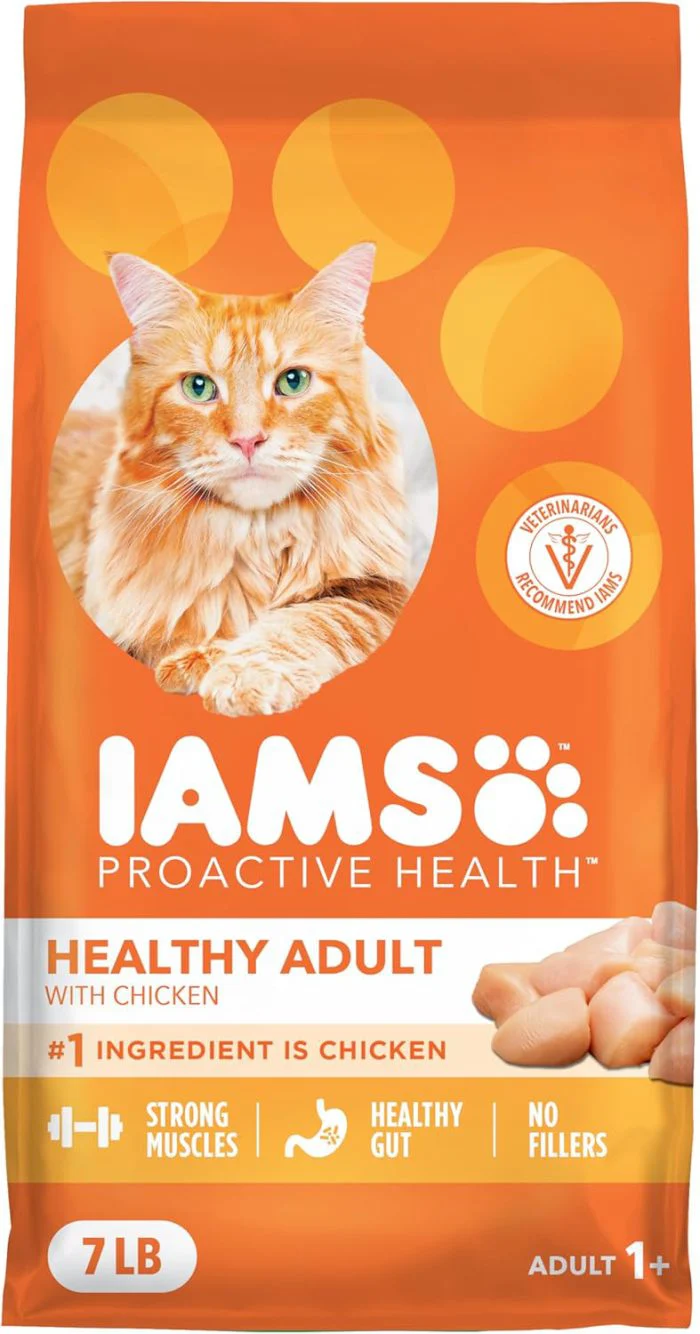
Healthy Adult Cat Food with Chicken – 7 lb Bag
IAMS Healthy Adult Cat Food with Chicken in a 7 lb bag. Premium nutrition for…
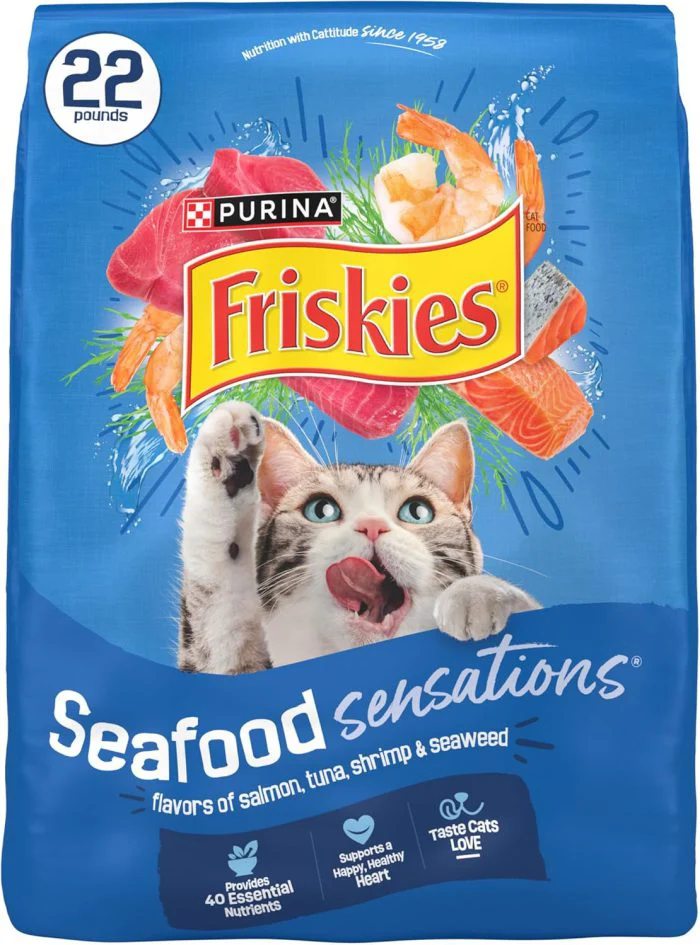
Seafood Sensations Dry Cat Food with Salmon & Tuna
Friskies Seafood Sensations dry cat food. Real salmon & tuna in every bite. Irresistible taste…
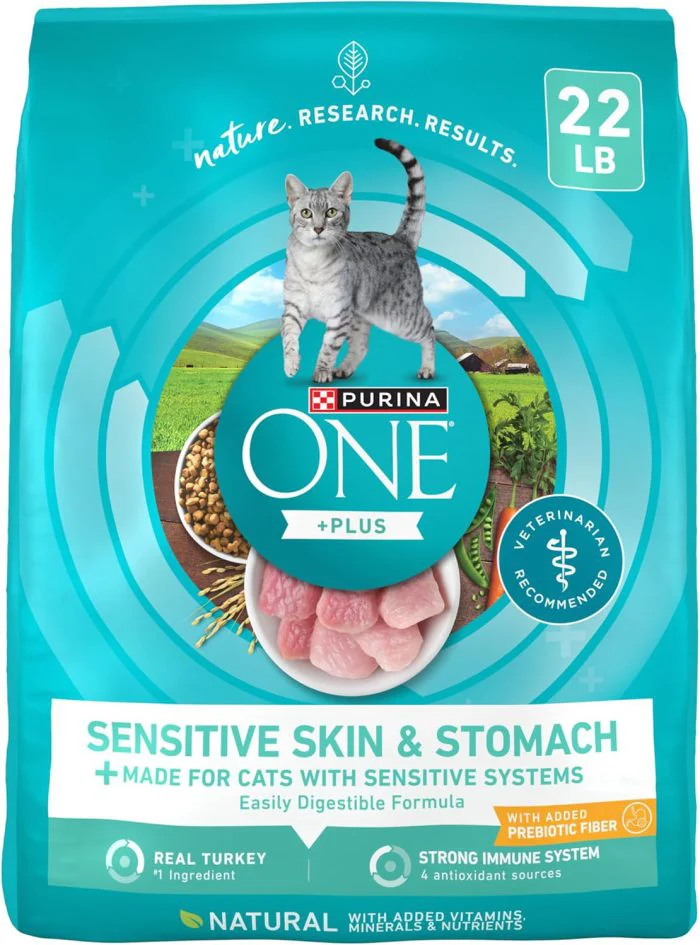
Sensitive Stomach & Skin Dry Cat Food – 22 lb
Purina ONE Sensitive Stomach & Skin Dry Cat Food, 22 lb bag. Supports digestion &…
Related Articles
 Cat Food Guide
Is Hypoallergenic Cat Food Really Work? A Vets Evidence-Based Guide
 Cat Food Guide
What Are Signs of Food Allergies in Cats? A Vets Guide to Symptoms & Solutions
 Cat Food Guide
What Is the One Meat to Never Feed a Cat? The Raw Fish Danger Explained
 Cat Food Guide
What Is the Healthiest Food for a Cat? A Vets Guide to Optimal Nutrition
 Cat Food Guide
Is Purina Any Good for Cats? A 2026 Evidence-Based Review
 Cat Food Guide