
What Can I Feed My Cat With Dental Problems? A Vet-Approved Feeding Plan

Seeing your cat flinch away from their food bowl or drool while trying to eat is heartbreaking. If you’re searching for “what can I feed my cat with dental problems,” you need an immediate, safe, and vet-informed action plan. The short answer is that you should transition to soft, highly palatable, and moisture-rich foods like veterinary dental diets, pâtés, mousses, or carefully prepared slurries. However, the most critical first step is a professional veterinary diagnosis, as the ideal feeding strategy depends entirely on whether your cat is dealing with gingivitis, a painful tooth resorption lesion, advanced periodontitis, or is recovering from extractions. This guide will provide a comprehensive, step-by-step feeding plan that blends veterinary expertise with practical, compassionate care to ensure your cat gets the nutrition they need without pain.
Before changing a single kibble, a veterinary exam is essential. What appears as a simple dental problem could be a symptom of a more serious condition like kidney disease or diabetes, which also affect appetite. A vet can perform a thorough oral assessment, often under sedation, to diagnose the specific issue—be it plaque buildup, gingivitis, fractured teeth, or Feline Odontoclastic Resorptive Lesions (FORLs), which affect over 60% of adult cats. They will determine if a dental cleaning, tooth extraction, or other treatment is needed. Attempting to manage the problem solely with diet can allow a painful, progressive disease to worsen. If your cat shows signs of severe pain (hiding, aggression, pawing at the mouth), stops eating entirely, or has facial swelling, seek emergency veterinary care immediately.
Understanding How Dental Problems Affect Eating
To feed your cat effectively, it helps to understand what they’re experiencing. Common issues create distinct challenges:
Core Principles for Feeding a Cat with a Sore Mouth
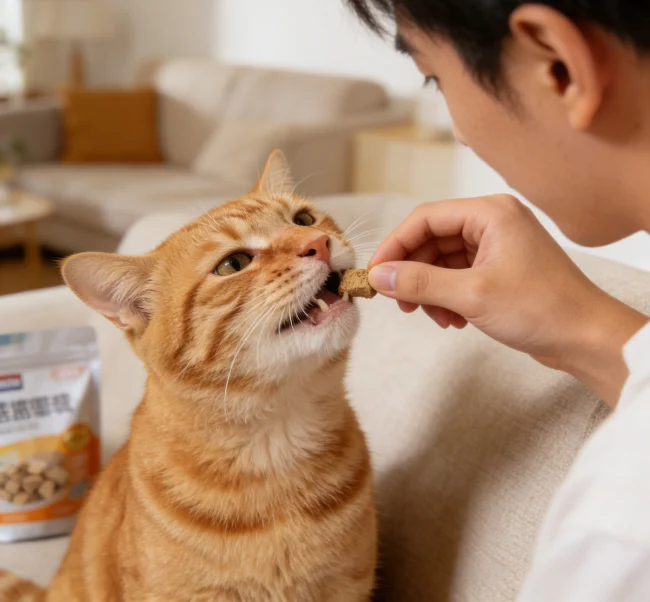
Your feeding strategy should revolve around three pillars: texture, nutrition, and palatability.
Your Practical Feeding & Preparation Guide
This is where we provide the actionable, visual guidance that many competitors lack. Here is a sample 3-day post-operative plan, assuming your vet has approved oral feeding.
| Day | Meal Plan & Texture | Preparation Tips |
|---|---|---|
| Day 1 (Home from Vet) | Very liquid slurry. Offer 1-2 tsp every 2-3 hours. | Blend a pâté-style wet food with warm water or low-sodium chicken broth until it passes easily through a syringe (without the needle). |
| Day 2 & 3 | Thicker slurry or smooth mousse. Small meals 4-6 times daily. | Reduce liquid slightly. Offer from a shallow saucer. If appetite is poor, try gently smearing a small amount on your cat’s paw or gums to stimulate licking and taste. |
| Beyond Day 3 (Long-Term) | Soft pâté, veterinary dental diet, or rehydrated food. | Transition to a nutritionally complete soft food. For cats with remaining teeth, consider dental care gels or water additives as recommended by your vet. |
Visual Preparation Tip: For a perfect slurry, blend one part pâté with two parts warm liquid. Strain through a fine sieve if needed to remove any chunks. Always test the temperature on your wrist before offering it to your cat.
Choosing the Right Commercial Foods: A Comparison
Not all soft foods are created equal. Here’s a comparison based on specific needs.
| Food Category | Best For | Key Features & Examples | Considerations |
|---|---|---|---|
| Veterinary Dental Diets | Long-term management of plaque & tartar in cats with some teeth. | Prescription diets like Hill’s Prescription Diet t/d or Royal Canin Dental. They have a special kibble texture that cleans teeth but is easily fractured with minimal force. | Requires a vet prescription. Not suitable for cats with severe pain or no teeth. |
| High-Quality Pâté/Mousse | Post-surgery, chronic gingivitis, or toothless cats. | Look for high protein (>10% on a dry matter basis), grain-free options like Tiki Cat After Dark, Weruva B.F.F. OMG, or Purina Pro Plan Veterinary Diets EN Gastroenteric (pâté). | Ensure it’s “complete and balanced” for life stages, not just a “complementary” treat. |
| Cost-Effective Wet Food | Managing long-term feeding for multiple cats or tight budgets. | Brands like Fancy Feast Classic Pâté offer a smooth texture and are widely available. Always check the first ingredient is a meat. | Some may contain more fillers (like wheat gluten) or less protein than premium brands. |
| Homemade Option (Short-Term) | Emergency use or extreme food aversion, with vet approval. | Simple Chicken Slurry: Blend plain boiled chicken breast with enough of the cooking broth to create a liquid. Warning: This is not nutritionally complete for more than 2-3 days. | Critical: Always consult your vet before starting. Long-term use can cause severe nutritional deficiencies. |
How to Feed Your Cat: Techniques for Success
The right technique reduces stress for both you and your cat.
What to Absolutely Avoid
Frequently Asked Questions (FAQ)
Q: My cat has no teeth. What can they eat?
A: A toothless (edentulous) cat can live a perfectly happy life eating any soft, pâté-style wet food or smooth slurry. They use their tongue to lap and swallow. The key is providing highly palatable, nutrient-dense food in an easily accessible texture. Many commercial pâtés or mousses are ideal.
Q: How long after a tooth extraction should I feed soft food?
A: Most veterinarians recommend a strict soft-food diet for 10 to 14 days following extractions. This allows the gum tissue to heal properly and prevents sutures from breaking. Always follow your specific veterinarian’s post-operative instructions.
Q: Is it okay to just soak my cat’s regular dry food?
A: Soaking kibble can work as a short-term transition, but it’s not ideal for long-term use or for cats with severe pain. Soaked kibble often becomes a mushy, unappetizing texture and can grow bacteria quickly. It also lacks the high moisture content of wet food, which is beneficial for overall health. A complete wet food or veterinary diet is a better choice.
Q: Can dental problems cause a cat to stop eating entirely?
A: Yes. Severe dental pain is a common cause of anorexia (complete loss of appetite) in cats. This is a medical emergency, as cats who stop eating for more than 24-48 hours are at high risk for developing a life-threatening liver condition called hepatic lipidosis. If your cat refuses all food, contact your veterinarian immediately.
Q: Are there any supplements that help with dental health?
A: While the cornerstone of dental health is mechanical cleaning (brushing) and professional care, some supplements may support oral health. These include:
Important: Always discuss any supplement with your vet before use, as they are adjuncts to, not replacements for, proper dental care.
Q: How can I transition my cat back to dry food after they’ve healed?
A: Transition very slowly over 7-10 days. Start by mixing a small amount of their dry food (soaked until soft if needed) into their wet food. Gradually increase the proportion of dry food while decreasing the wet. Monitor closely for any signs of discomfort or reluctance to eat. Some cats may do best staying on a partial or full wet-food diet for lifelong hydration benefits.
Q: What are the signs that my cat’s dental problem is improving?
A: Positive signs include a return to normal appetite, increased energy and playfulness, no more drooling or pawing at the mouth, fresher breath (though not necessarily “minty”), and a willingness to groom themselves again. Regular follow-ups with your vet are crucial to monitor long-term oral health.
Caring for a cat with dental problems requires a blend of immediate veterinary intervention, thoughtful nutritional support, and patient, compassionate feeding techniques. By prioritizing soft, palatable foods and following a structured plan, you can ensure your cat remains nourished and comfortable through treatment and recovery. Remember, partnering with your veterinarian is the most important step you can take to address the root cause of the pain and ensure your feline friend’s long-term health and happiness.