


What Are The Top 5 Healthiest Cat Food Brands? Expert-Vetted Picks for 2026

Choosing the healthiest cat food for your feline companion is a top priority for any responsible pet parent, and asking “What are the top 5 healthiest cat food brands?” is the right first step. This question reflects a deep desire to cut through marketing hype and find genuinely nutritious, safe, and vet-recommended options. Based on a rigorous analysis of nutritional standards, ingredient quality, brand transparency, and expert veterinary insight, the top five healthiest cat food brands for 2026 are Smalls, The Honest Kitchen, Open Farm, Tiki Cat, and Orijen. However, a simple list isn’t enough. This guide will not only detail why these brands stand out but will equip you with the knowledge to evaluate any cat food, turning confusion into confidence for your cat’s lifelong health.
Our recommendations are not based on popularity or price alone. They are the result of applying a strict, expert-developed framework focused on feline nutritional science and safety. Every brand listed meets or exceeds the following non-negotiable criteria, established in consultation with veterinary nutritionists.
The Top 5 Healthiest Cat Food Brands of 2026
Here is a quick-reference overview of our top picks, followed by a detailed analysis of each.
| Brand | Best For | Primary Protein | Food Type | Key Health Highlight |
|---|---|---|---|---|
| Smalls | Fresh Food Enthusiasts | Human-Grade Chicken, Turkey, or Fish | Fresh, Subscription | Minimally processed, high moisture, tailored portions. |
| The Honest Kitchen | Convenient & Dehydrated | Free-Range Chicken, Wild-Caught Fish | Dehydrated, Human-Grade | Easy-to-store, just-add-water meals with whole-food clarity. |
| Open Farm | Ethical Sourcing & Transparency | Pasture-Raised Lamb, Wild-Caught Salmon | Kibble, Wet, & Broth | Unmatched ingredient traceability via lot code. |
| Tiki Cat | High-Moisture, Low-Carb Diets | Real Fish & Chicken | Wet Food & Broths | Protein-rich, grain-free formulas mimicking a natural prey diet. |
| Orijen | Biologically Appropriate Kibble | Fresh & Raw Animal Ingredients | Dry Food (Kibble) | “WholePrey” ratios incorporating meat, organs, and cartilage. |
Smalls: Best Fresh Food Subscription
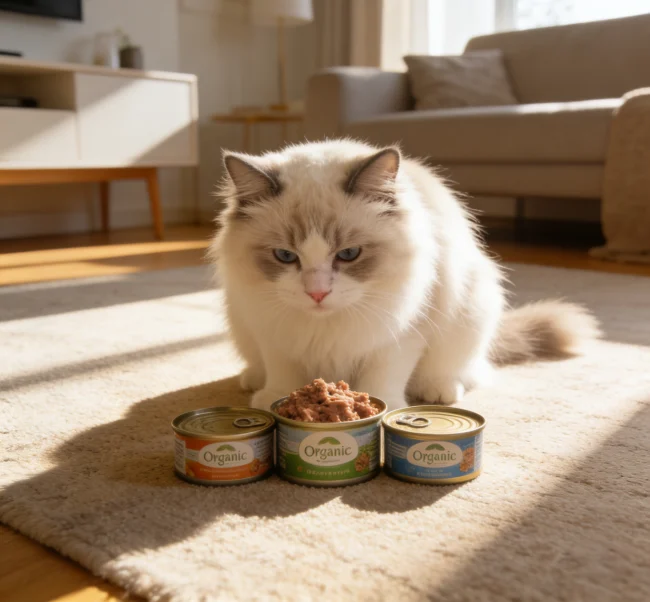
Smalls redefines healthy cat food by delivering human-grade, fresh meals directly to your door. Their gently cooked formulas are the closest commercial option to a homemade diet.
The Honest Kitchen: Best Dehydrated Human-Grade Food
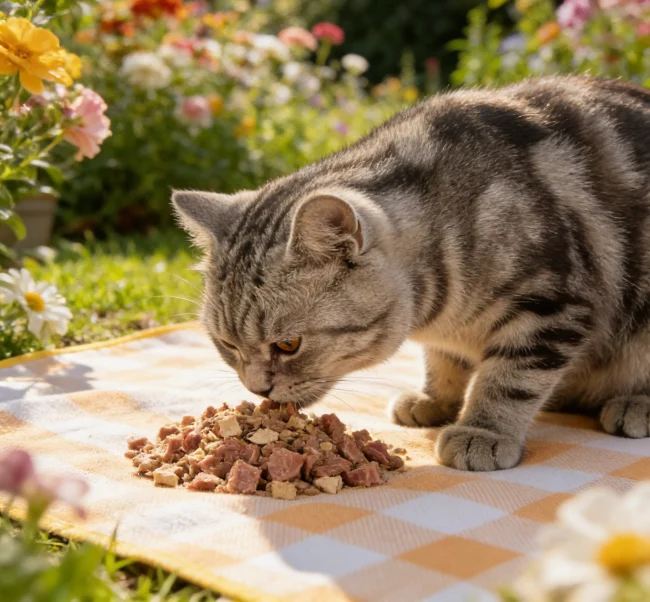
The Honest Kitchen offers the convenience of kibble with the nutritional integrity of whole foods. Their human-grade, dehydrated recipes simply require you to add warm water, creating a nutrient-dense, savory pâté.
Open Farm: Best for Radical Transparency
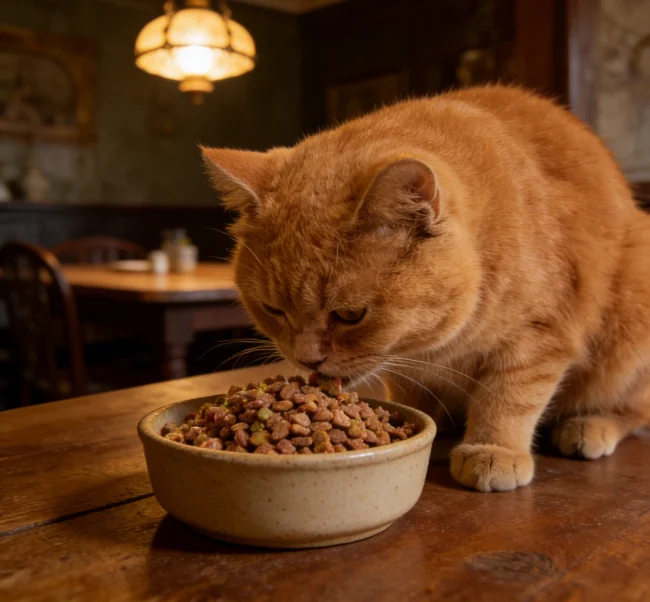
Open Farm sets the gold standard for ethical sourcing and supply chain transparency. You can trace every ingredient in their bag back to its source using the lot code on the package.
Tiki Cat: Best High-Protein Wet Food
Tiki Cat specializes in wet foods that align with a cat’s natural carnivorous needs. Their “After Dark” series and broths are particularly notable for using real shreds of meat and organs in rich, hydrating consommés.
Orijen: Best Biologically Appropriate Dry Food
For pet parents committed to feeding kibble, Orijen represents the pinnacle of dry food formulation. Their “WholePrey” philosophy mirrors the nutrient-rich composition of a cat’s natural diet.
How to Read Any Cat Food Label: Your Empowerment Tool
Beyond our top five, you can evaluate any brand using this framework. Here’s what to look for:
Frequently Asked Questions (FAQ)
Q: Is grain-free cat food healthier?
Not necessarily. While some cats have grain allergies, most allergies are to animal proteins. “Grain-free” often means using other carbs like potatoes or legumes. The focus should be on high animal protein and low total carbohydrates, whether the food contains grains or not.
Q: Should I feed only wet food or only dry food?
A combination is often ideal. Wet food provides essential moisture and is lower in carbohydrates. Dry food can be beneficial for dental health (though not a substitute for brushing) and is convenient. We recommend a diet where wet food makes up at least 50% of the daily calories.
Q: How do I transition my cat to a new, healthier food?
Transition slowly over 7-10 days to avoid gastrointestinal upset. Start by mixing 25% new food with 75% old food for 2-3 days, then a 50/50 mix, then 75% new/25% old, before switching completely.
Q: Are by-products in cat food bad?
Not all by-products are created equal. High-quality by-products (like liver, heart, and lungs) are nutrient-dense and biologically appropriate. The concern is with low-quality, unspecified by-products. Look for brands that specify the source (e.g., “chicken liver”).
Q: How much does the healthiest cat food cost per day?
Costs vary. Premium kibble may cost $0.50-$1.50 per day, while high-end wet or fresh food can range from $2.00 to $5.00+ per day. Investing in quality nutrition can help prevent expensive health issues later in life.
Q: What’s the single most important thing to look for?
An AAFCO statement of nutritional adequacy for your cat’s life stage. This is the fundamental assurance that the food meets minimum nutritional requirements.
Q: My cat is a picky eater. How do I choose?
Prioritize palatability. Try brands like Tiki Cat or The Honest Kitchen, which offer strong aromas and varied textures. You can also use broths or meal toppers from these healthy brands to entice them.
Q: Are these brands good for cats with health issues?
While these brands use high-quality ingredients, cats with diagnosed conditions (e.g., kidney disease, diabetes, IBD) require veterinary-prescribed therapeutic diets. Always consult your vet before changing the diet of a cat with health issues.
Q: How important is the “human-grade” label?
“Human-grade” means the ingredients and final product are legally edible and approved for human consumption, adhering to stricter FDA regulations. It’s a strong indicator of superior ingredient quality and safety protocols, though not the only marker of a healthy food.
Q: Should I rotate between different protein sources?
Yes, rotational feeding can provide a broader spectrum of nutrients and may help prevent the development of food sensitivities. It also keeps mealtime interesting for your cat.
Choosing the healthiest cat food is an act of care that pays dividends in your cat’s vitality, longevity, and happiness. The brands listed—Smalls, The Honest Kitchen, Open Farm, Tiki Cat, and Orijen—each excel in delivering superior nutrition through different formats, allowing you to find the best fit for your lifestyle and your cat’s preferences. Remember, the most powerful tool you have is knowledge. By understanding how to read a label and prioritize species-appropriate nutrition, you can make confident choices that support your feline friend’s well-being for years to come.

Related Products
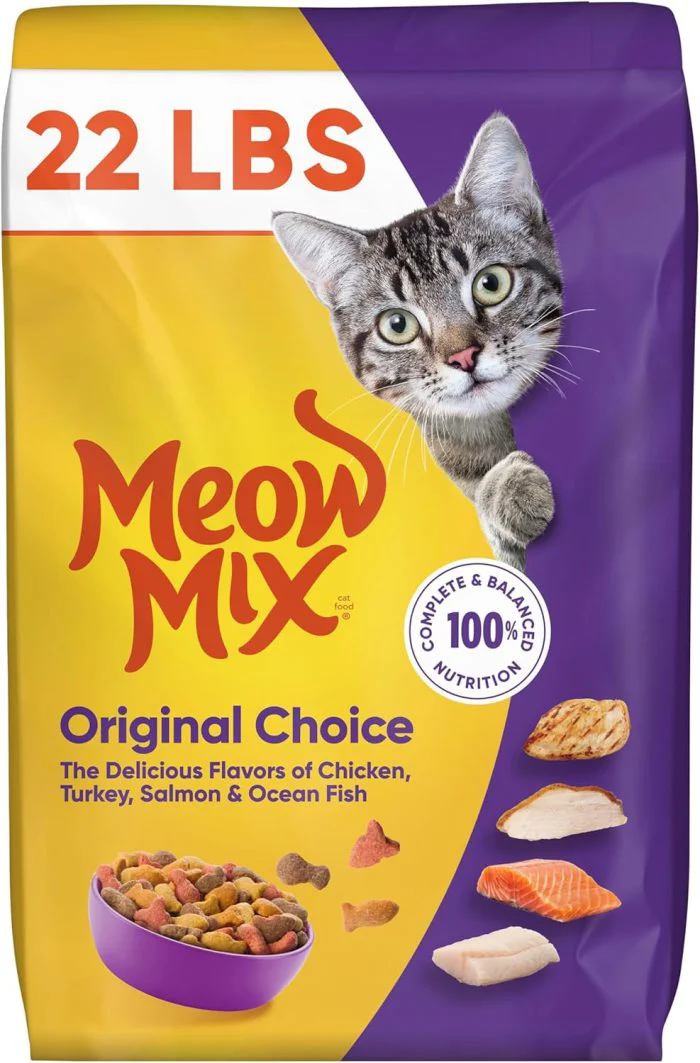
Meow Mix : Original Choice Dry Cat Food, 22 lb Bag
Save big on your cat's favorite! Meow Mix Original Choice Dry Cat Food in the…
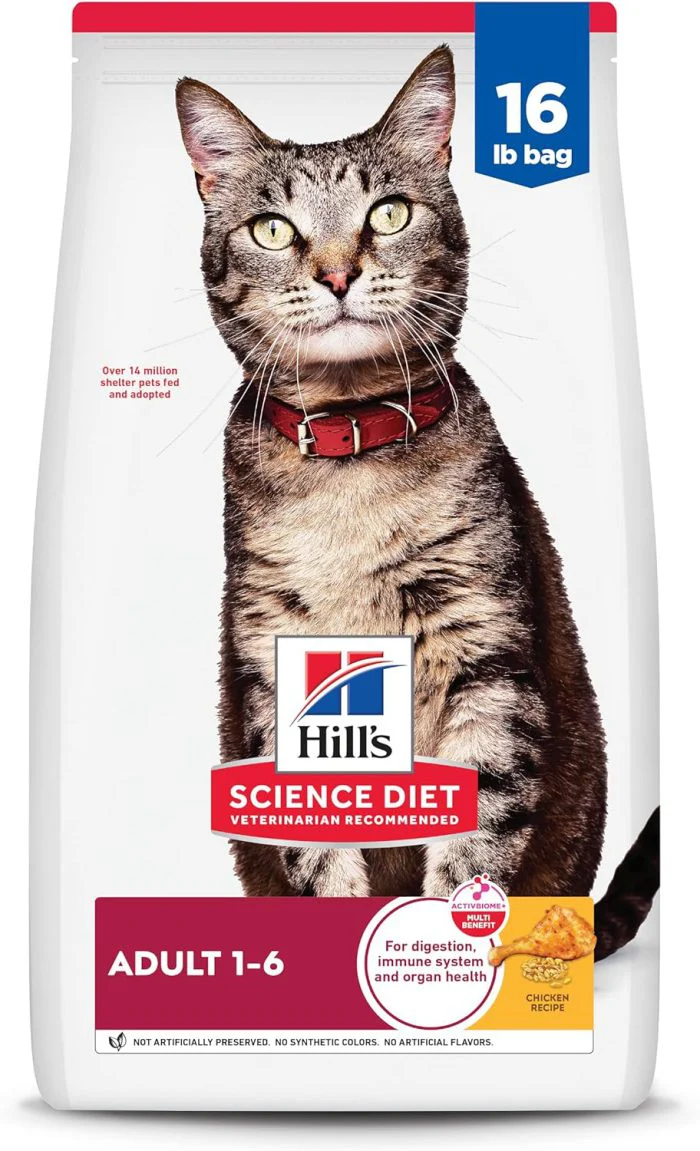
Premium Adult Cat Food: Chicken Recipe, 16 lb. Bag
Hill's Science Diet Premium Adult Cat Food: Nourish your cat with real chicken in this…
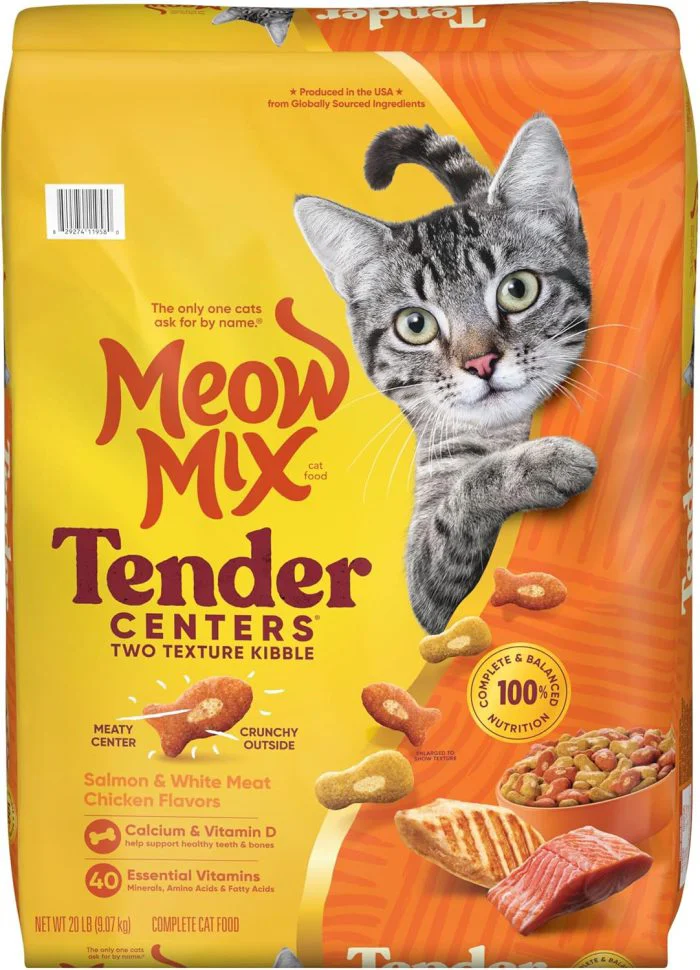
Salmon & Chicken Dry Cat Food, 20 lb. Bag
Meow Mix Salmon & Chicken Dry Cat Food in a 20 lb. bag. A tasty,…
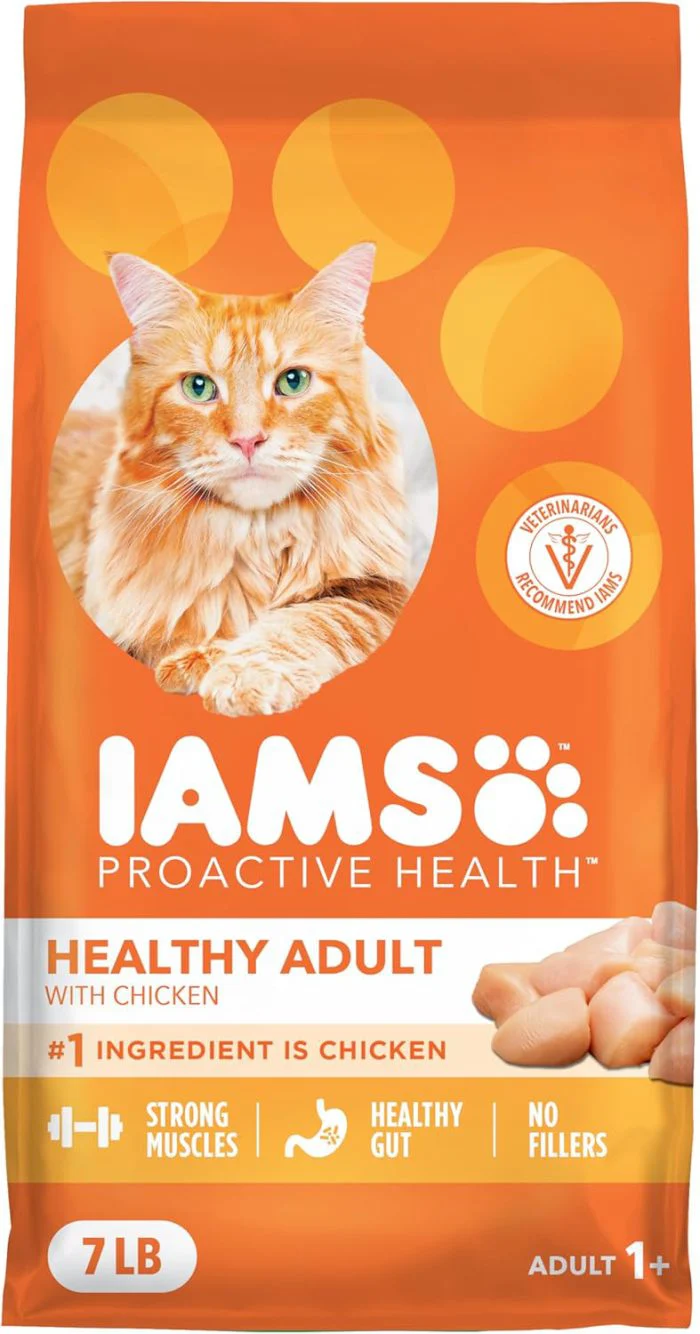
Healthy Adult Cat Food with Chicken – 7 lb Bag
IAMS Healthy Adult Cat Food with Chicken in a 7 lb bag. Premium nutrition for…
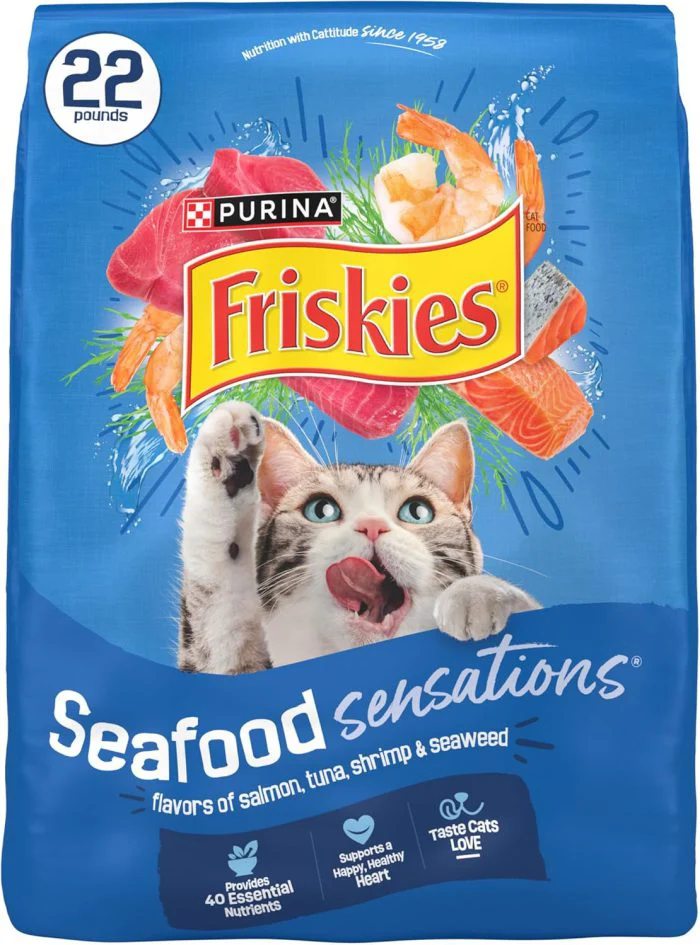
Seafood Sensations Dry Cat Food with Salmon & Tuna
Friskies Seafood Sensations dry cat food. Real salmon & tuna in every bite. Irresistible taste…
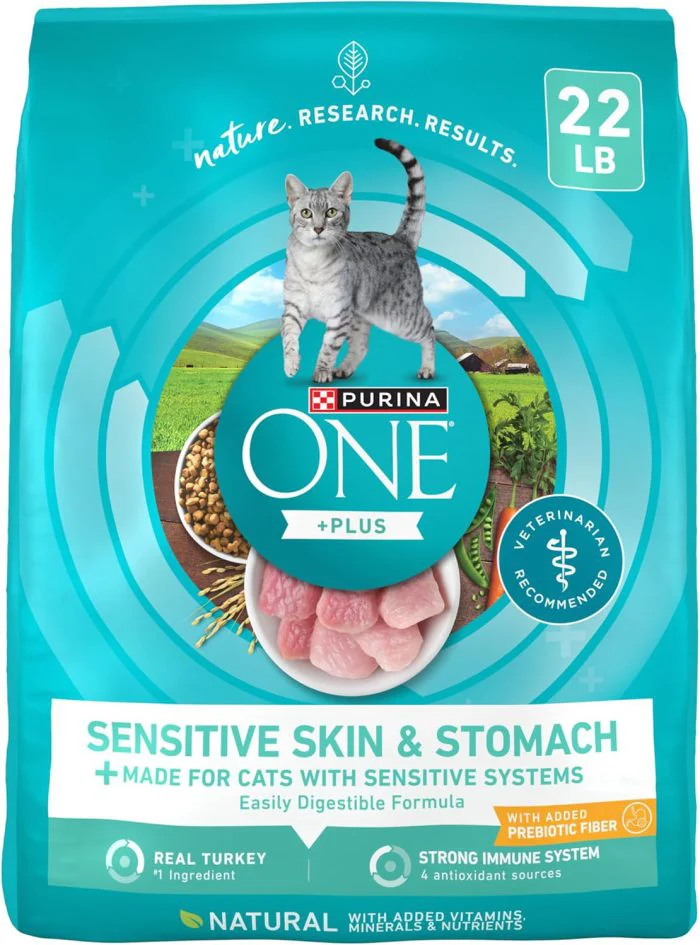
Sensitive Stomach & Skin Dry Cat Food – 22 lb
Purina ONE Sensitive Stomach & Skin Dry Cat Food, 22 lb bag. Supports digestion &…
Related Articles
 Cat Food Guide
What Is the Healthiest Wet Cat Food for Indoor Cats? A 2026 Vet-Backed Guide
 Cat Food Guide
What treat is irresistible to cats? A Vets Guide to Feline Taste & Top Picks
 Cat Food Guide
What Food Is Hypoallergenic for Cats? A 2026 Vet-Approved Guide & Action Plan
 Cat Food Guide
Is Hypoallergenic Cat Food Really Work? A Vets Evidence-Based Guide
 Cat Food Guide
What treats do cats love the most? A Science-Based Guide to Feline Taste
 Cat Food Guide