



Is There Really a Difference Between Cheap and Expensive Dog Food? A Vet-Approved Cost & Quality Guide

Is there really a difference between cheap and expensive dog food? This is a question every budget-conscious yet caring dog owner asks, and the answer is a definitive yes—but the reality is more nuanced than a simple price tag suggests. The core difference isn’t just about cost; it’s about the value derived from ingredient quality, nutritional science, and long-term health outcomes. While a premium price doesn’t automatically guarantee a superior product, and some budget foods can offer decent nutrition, significant gaps in sourcing, digestibility, and safety standards typically separate the two categories. This article will cut through the marketing hype to provide a clear, evidence-based framework. We’ll compare what you’re actually paying for, analyze the true cost of feeding over your dog’s lifetime, and, most importantly, give you the tools to be a smart shopper on any budget, ensuring your beloved pet gets the best possible nutrition without unnecessary financial strain.
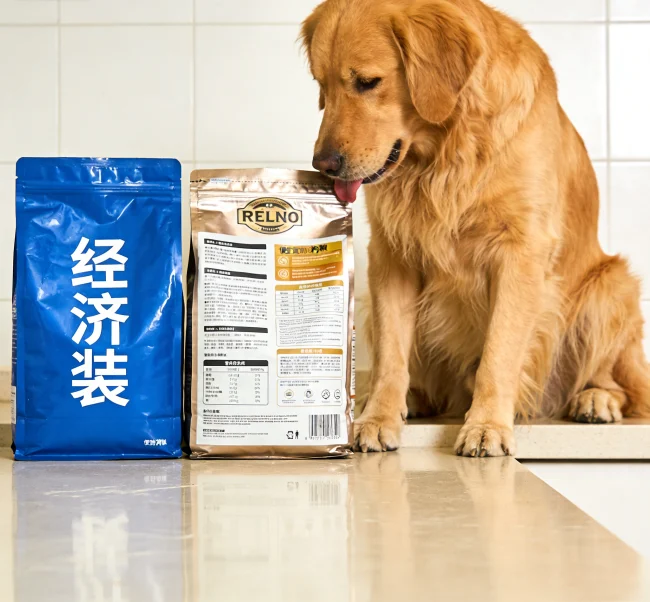
To understand the real gap between budget and premium dog food, we must look beyond the bag’s front label and into the specifics of formulation and production.
Ingredient Quality & Sourcing: Named Meats vs. Mystery Meals
The most glaring difference lies in the ingredient panel. Premium foods typically lead with a specific, named animal protein like “deboned chicken,” “lamb meal,” or “wild-caught salmon.” These are high-quality, digestible protein sources. In contrast, many budget foods use generic terms like “meat meal,” “animal by-products,” or “poultry by-product meal.” While by-products aren’t inherently bad (they can include nutritious organ meats), the lack of specificity means quality control is harder, and the protein may be less digestible.
Furthermore, cheap kibble often relies on fillers like corn, wheat, and soy as primary ingredients. These are inexpensive carbohydrate sources that provide calories but limited nutritional value. Premium foods may use more nutrient-dense carbohydrates like sweet potatoes, peas, or lentils, which also provide fiber and vitamins.
| Ingredient Aspect | Typical in Premium/Expensive Food | Typical in Budget/Cheap Food |
|---|---|---|
| Primary Protein | Deboned chicken, salmon, lamb (named source) | Meat meal, poultry by-product meal (generic source) |
| Primary Carbohydrates | Sweet potato, peas, lentils, barley | Corn, wheat, soybean meal, brewers rice |
| Fat Source | Chicken fat (preserved with tocopherols), salmon oil | Animal fat, generic vegetable oil |
| Additives | Probiotics, glucosamine, chondroitin, chelated minerals | Artificial colors, flavors, and preservatives (e.g., BHA, BHT) |
Nutritional Density & Digestibility: How Much Actually Gets Used?
A bag of food isn’t just about what’s in it, but what your dog’s body can use from it. This is digestibility. High-quality proteins and fats are more bioavailable, meaning a greater percentage is absorbed and utilized by your dog’s body. A 2027 study in the Journal of Animal Science found that dogs fed diets with named meat meals had significantly higher protein digestibility (85-90%) than those fed diets with generic by-product meals (75-80%).
This leads to the concept of nutritional density. A cup of premium food often contains more usable calories and nutrients than a cup of budget food. Consequently, you may need to feed less of the premium food to meet your dog’s energy needs, which affects the true cost-per-feeding.
Manufacturing & Safety Standards: The Hidden Assurance
Reputable premium brands often manufacture in their own facilities or use highly audited partners, adhering to strict human-grade or superior safety protocols. They typically conduct feed trials following AAFCO (Association of American Feed Control Officials) protocols, meaning the food was tested on real dogs to ensure it provides complete and balanced nutrition.
Many budget foods are manufactured by large co-packers that produce dozens of brands. While they must meet basic safety standards, the level of ingredient testing, sourcing transparency, and quality control may not be as rigorous. The risk of recalls due to contamination, while low across the board, can be statistically higher for certain types of budget formulations.
The Real Cost Analysis: Looking Beyond the Price Tag
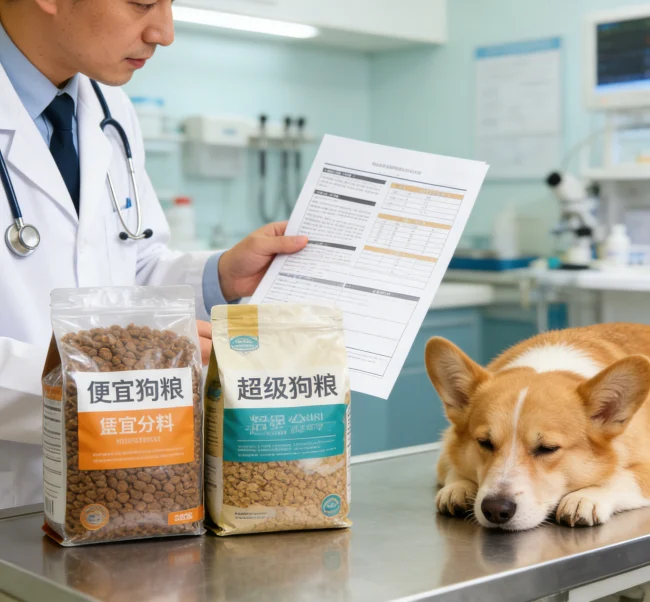
The sticker shock at the pet store is immediate, but the true cost of dog food encompasses much more. Let’s break down the financials over the lifespan of a dog.
Cost-Per-Feeding & Cost-Per-Nutrient
This is where the math gets interesting. Because of its higher nutritional density, you often feed less premium food. Let’s do a simplified calculation for a 30-pound dog:
The daily difference is $0.67. When you factor in the higher quality of ingredients and digestibility, that $0.67 buys significantly better nutrition.
The Long-Term Healthcare Argument
This is the most compelling financial reason to consider higher-quality nutrition. While direct causation is complex, numerous veterinarians report observable correlations. A diet rich in digestible protein, healthy fats, and antioxidants can support:
The potential savings on avoidable vet bills, prescription diets, and medications over a dog’s 10-15 year life can far outweigh the extra $20-$30 spent on food each month. Investing in prevention through nutrition is often more economical than treating chronic conditions later.
How to Be a Smart Shopper on Any Budget: Your Action Plan
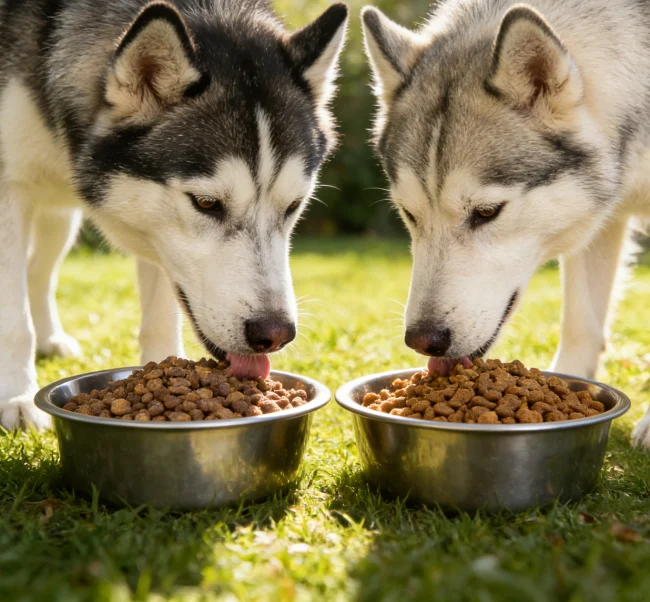
You don’t need a veterinary degree to choose good food. Empower yourself with this step-by-step guide to evaluating any dog food, regardless of price.
Step 1: Master the Ingredient Panel (The Back is More Important Than the Front)
Ignore marketing terms like “premium,” “natural,” or “holistic” on the front. Go straight to the back.
Step 2: Use Our Tiered Selection Framework
Match your budget to the best possible value within that range using this framework.
| Tier | Budget-Friendly (Value Seekers) | Mid-Range (Optimal Balance) | Premium Investment (Maximum Benefit) |
|---|---|---|---|
| Price Point | $1.00 – $1.75 per day | $1.75 – $3.00 per day | $3.00+ per day |
| What to Look For | A named meat meal as #1 ingredient. Avoid artificial colors/flavors. Solid AAFCO statement. | One named whole meat (e.g., chicken) in top 3 ingredients. No corn/wheat/soy. Includes functional supplements like probiotics. | Multiple named meat sources in top 5. High-protein, low-carb. Uses human-grade ingredients, ethical sourcing, and has a strong feed trial history. |
| Example Brands (2026) | Purina ONE, Iams Proactive Health | Wellness Complete Health, Canidae All Life Stages | Orijen, The Farmer’s Dog (fresh), Hill’s Science Diet Metabolic+ |
| Best For | Healthy adult dogs with no known sensitivities. | Most dogs, including puppies and seniors, or those with mild sensitivities. | Dogs with specific health issues, high-performance needs, or owners prioritizing ultimate ingredient quality. |
Frequently Asked Questions (FAQ)
Q: Is grain-free dog food always better and worth the higher price?
A: No, grain-free is not inherently better. This trend was largely driven by concerns over food allergies, but true grain allergies in dogs are rare. More common are allergies to animal proteins. Recent studies, including ongoing FDA monitoring as of 2026, have investigated a potential link between some grain-free diets (high in legumes) and canine heart disease (DCM). Grains like brown rice and oats are healthy, digestible carbs for most dogs. Choose grain-free only if your veterinarian has diagnosed a specific grain intolerance.
Q: Are by-products in dog food always bad?
A: Not necessarily. By-products are non-rendered, clean parts of an animal other than meat (e.g., liver, lungs, kidneys). They are highly nutritious and rich in vitamins. The concern lies in the lack of specificity—”poultry by-products” could be anything from nutrient-rich liver to less digestible parts. A named by-product like “chicken liver” is an excellent ingredient. Generic “animal by-products” are less desirable due to variable quality.
Q: How does the life stage of my dog affect the cost vs. quality decision?
A: It’s crucial. Puppies, large-breed puppies, pregnant/nursing dogs, and seniors have specific nutritional needs. Skimping on quality during these critical growth or maintenance phases can have long-term consequences. For example, a large-breed puppy requires precise calcium/phosphorus ratios to prevent skeletal issues. Investing in a properly formulated premium or veterinary diet for these life stages is often a non-negotiable for long-term health.
Q: Can I mix cheap and expensive dog food to save money?
A: This can be a viable strategy to boost nutrition on a budget, but you must transition slowly. A 75/25 mix (budget/premium) can improve the overall protein quality and palatability of the meal. However, ensure both foods are nutritionally complete on their own and have similar protein/fat profiles to avoid digestive upset. Always consult your vet before creating a mixed feeding plan.
Q: What are the biggest red flags on a dog food label?
A: Major red flags include: 1) The word “flavor” instead of a real ingredient (e.g., “beef flavor”). 2) Artificial colors (Blue 2, Red 40) and preservatives (BHA, BHT, ethoxyquin). 3) A generic fat source like “animal fat.” 4) No AAFCO nutritional adequacy statement. 5) The first ingredient being a cereal grain or a vague “meat and bone meal.”
Q: How important are probiotics and supplements in kibble?
A: They can be beneficial add-ons but shouldn’t be the primary reason for choosing a food. Probiotics support gut health, and supplements like glucosamine aid joint health. In premium foods, these are often included at effective levels. In budget foods, they may be “window dressing”—present in amounts too small to make a real difference. For specific health issues, targeted supplements prescribed by your vet are more reliable.
Q: Should I be worried about recalls?
A: All manufacturers are subject to recalls. The key is brand transparency and response. Check a brand’s recall history on the FDA website. Reputable brands, regardless of price, will have clear, proactive recall communication and stringent corrective actions. A single recall isn’t necessarily a deal-breaker; a pattern of recalls for the same issue is a major concern.
Q: Is wet food always more expensive and better than dry kibble?
A: Wet food is typically more expensive per calorie and often has higher meat content and moisture, which is great for hydration. However, high-quality dry kibble is perfectly nutritious, better for dental health, and more cost-effective. The “better” choice depends on your dog’s health needs, preferences, and your budget. Many owners use a mix of both.
Q: How long should I transition my dog to a new food, and what if they don’t like the expensive one?
A: Transition over 7-10 days, slowly increasing the proportion of new food. If your dog refuses a premium food, it may be a palatability issue, not a quality one. Dogs have individual tastes. A high-quality food they eat eagerly is better than a supreme-quality food they snub. Try different protein sources or textures within your chosen quality tier.
In the end, the difference between cheap and expensive dog food is real and significant, rooted in ingredient integrity, nutritional science, and manufacturing care. However, the “best” food is not automatically the most expensive one; it is the highest-quality food that aligns with your dog’s unique life stage, health needs, and your household budget. By moving beyond the price tag and becoming a label-literate shopper—using the frameworks and red flags outlined here—you empower yourself to make the optimal choice. You can provide excellent nutrition that supports a long, vibrant life for your dog without falling for marketing gimmicks or breaking the bank. The goal is informed confidence, knowing you’re investing wisely in your pet’s health and happiness.

Related Articles
 Dog Food Guide
Is Tails Dog Food Good Quality? A 2026 Review with Real User Feedback
 Dog Food Guide
What Is the Healthiest Dog Food in the UK? A 2026 Evidence-Based Guide
 Dog Food Guide
Is Heart to Tail Dog Food Good? A 2026 Vet-Reviewed Deep Dive
 Dog Food Guide
Which Is Better, Royal Canin or Hills? A Vets Decision Guide
 Dog Food Guide
What Are the Customer Reviews of Heart to Tail? An Expert & Customer Analysis
 Dog Food Guide