


Hypoallergenic Cat Foods – The 2026 Guide from Diagnosis to Bowl

If you’re searching for “hypoallergenic cat foods,” you’re likely a concerned pet parent watching your cat suffer from itchy skin, digestive upset, or chronic ear infections and desperately seeking a solution. The core question driving your search is almost certainly, “What is the best hypoallergenic cat food for my cat, and how do I choose it?” This guide is designed to be your definitive roadmap, moving beyond a simple product list to become your problem-solving partner. We will walk you through the entire journey—from understanding if your cat’s symptoms are truly a food allergy, to demystifying the science behind hypoallergenic diets, and finally providing a clear framework for choosing, transitioning to, and successfully managing the right food for long-term health and happiness.
Before investing in specialty food, it’s essential to confirm you’re addressing the right problem. Many symptoms of food allergies—like excessive grooming, hair loss, skin inflammation, vomiting, or diarrhea—overlap with other conditions, such as environmental allergies (to pollen or dust mites), parasites, or bacterial infections. Assuming it’s a food issue without proper vet consultation can lead to wasted time, money, and continued discomfort for your cat.
The gold-standard diagnostic tool is an elimination diet trial, conducted under veterinary supervision. This involves feeding your cat a novel protein or hydrolyzed protein diet—which we’ll explain in detail next—for 8 to 12 weeks exclusively, with no other treats, table scraps, or flavored medications. If symptoms resolve, a “food challenge” by reintroducing the old diet will confirm the diagnosis. This process requires patience and diligence but is the only way to accurately identify a food allergy. Starting here builds a foundation of trust and expertise, ensuring the advice that follows is grounded in proper veterinary science.
Understanding Hypoallergenic Foods: Hydrolyzed, Novel, and Limited Ingredient Diets
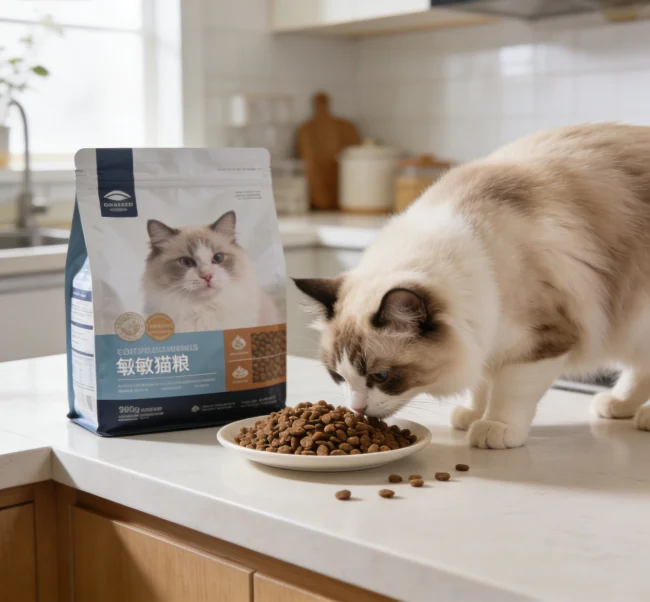
The term “hypoallergenic” can be misleading. No food is 100% non-allergenic, but these diets are formulated to minimize the risk of triggering an immune response. They primarily work through three strategies:
| Diet Type | How It Works | Best For | Typical Access |
|---|---|---|---|
| Hydrolyzed Protein | Breaks proteins into tiny, non-reactive pieces. | Cats with severe, confirmed multiple food allergies. | Prescription required (vet clinic/online pharmacy). |
| Novel Protein | Uses a protein source the cat has never consumed. | Diagnosis via elimination diet; suspected single-protein allergy. | Over-the-counter (OTC) & prescription options. |
| Limited Ingredient (LID) | Minimizes components to simplify identification of triggers. | Food intolerance management; initial elimination trials. | Primarily OTC (choose vet-recommended brands). |
How to Choose: Your Decision Framework for Hypoallergenic Cat Food
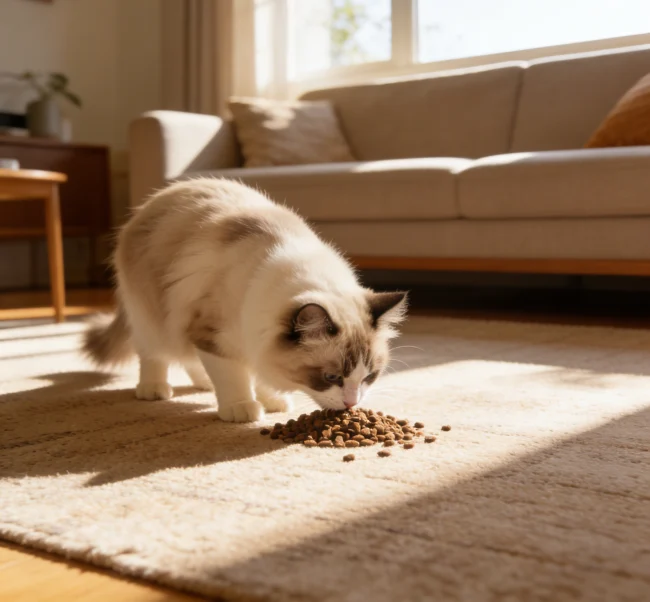
Choosing the right food involves balancing veterinary advice, your cat’s preferences, your budget, and lifestyle. Use this framework to navigate your options:
Top Hypoallergenic Cat Food Recommendations for 2026
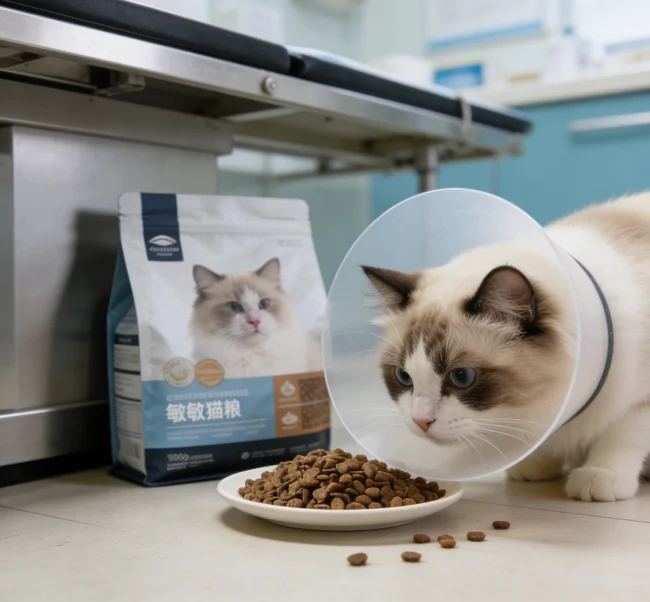
Organized by category to help you find the best fit based on the framework above.
Best Prescription (Veterinary) Diets
These are typically recommended for confirmed diagnoses and offer the highest level of formulation control.
Best Over-the-Counter (OTC) Novel Protein/LID Diets
For elimination trials or managing less severe sensitivities under veterinary guidance.
Best for Budget-Conscious Owners
Best Wet Food Option
The Transition & Long-Term Success Plan
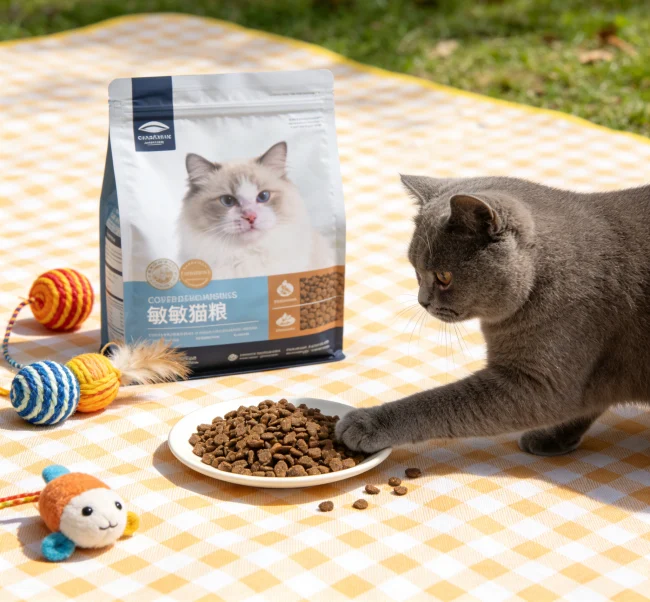
A sudden switch can upset any cat’s stomach, especially one with sensitivities. A slow, methodical transition over 7-10 days is critical.
Week-by-Week Transition Schedule:
Monitor your cat closely for changes in itchiness, stool quality, energy, and coat health. Keep a simple journal. It can take 8-12 weeks to see full improvement in skin conditions. Do not give up early. If symptoms worsen, contact your vet—you may need to try a different protein source or diet type. Long-term management also involves ensuring no other allergen sources (like certain treats or flea preventatives) interfere with the diet’s success.
Frequently Asked Questions (FAQ)
Q: How much does hypoallergenic cat food cost?
A: Costs vary significantly. Over-the-counter limited ingredient diets can range from $2-$4 per pound. Prescription hydrolyzed or novel protein diets are more expensive, typically $4-$8 per pound. Wet food is generally more costly per serving than dry. While an investment, resolving chronic health issues can reduce future vet bills for skin infections or digestive problems.
Q: Can I buy hypoallergenic cat food without a prescription?
A: Yes and no. True “hypoallergenic” hydrolyzed protein diets are almost always prescription-only. Many “novel protein” and “limited ingredient” diets are available over-the-counter at pet stores or online. However, for a confirmed allergy, a vet-prescribed diet ensures medical-grade formulation and is often necessary for insurance claims.
Q: How long does it take for hypoallergenic food to work?
A: For gastrointestinal symptoms like vomiting or diarrhea, you may see improvement within a few days to a week. For dermatological symptoms like itching, redness, or hair loss, it typically takes a minimum of 8 to 12 weeks on a strict elimination diet to see significant results. Patience is crucial.
Q: What are the most common food allergens for cats?
A: The most common culprits are proteins. Beef, dairy, and fish are frequent allergens for cats, contrary to popular belief about grains. Chicken is also a very common trigger. This is why novel proteins (like duck or venison) or hydrolyzed proteins are the cornerstone of management.
Q: What’s the difference between a food allergy and a food intolerance?
A: A food allergy involves the immune system, causing symptoms like itchy skin and ear infections. A food intolerance is a digestive issue that doesn’t involve the immune system, leading to vomiting or diarrhea. Both can be managed with specialized diets, but diagnosis is key to choosing the right approach.
Q: Can my cat stay on hypoallergenic food forever?
A: Yes, absolutely. If a hypoallergenic diet successfully manages your cat’s symptoms and is nutritionally complete and balanced, it can and should be fed for life. Long-term use prevents the return of allergic reactions and supports overall health. Always follow your veterinarian’s guidance on duration.
Q: Are grain-free diets hypoallergenic?
A: Not necessarily. True food allergies in cats are far more commonly triggered by animal proteins than by grains. A grain-free diet may help if your cat has a rare grain allergy or a specific intolerance, but it will not help with a protein allergy. Don’t assume grain-free equals hypoallergenic—look at the protein source first.
Navigating your cat’s food allergies can feel overwhelming, but by understanding the diagnostic process, the science behind the solutions, and having a clear plan for selection and transition, you are empowered to make the best decision. Remember, partnership with your veterinarian is your greatest asset. The right hypoallergenic cat food isn’t just a meal; it’s a long-term investment in your cat’s comfort, health, and quality of life, turning frustration into relief for both of you.

Related Products
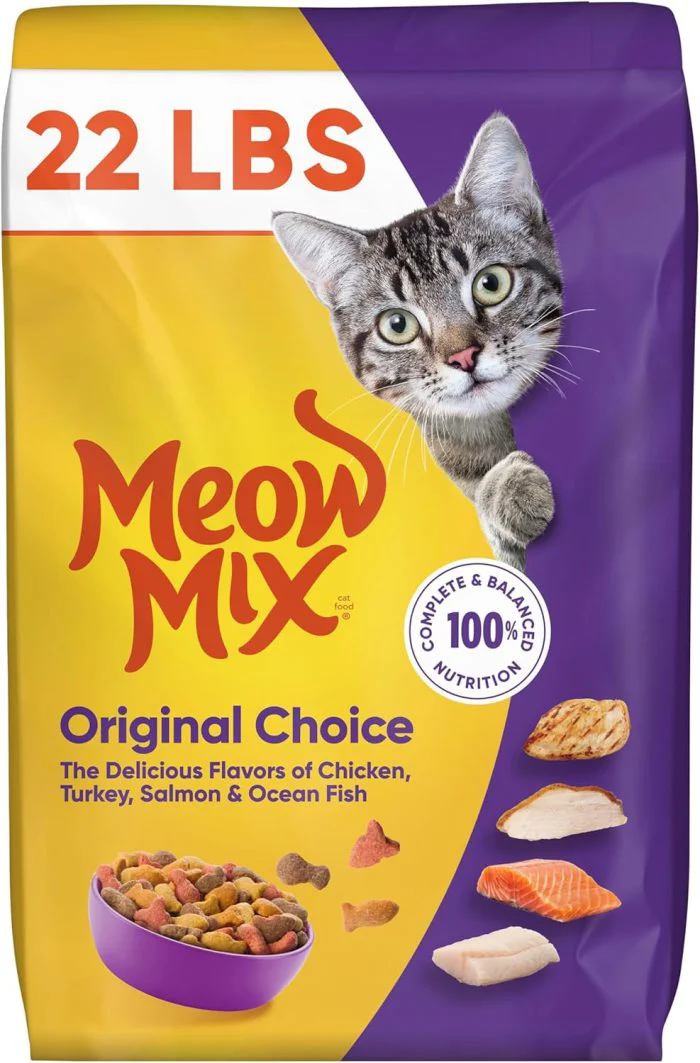
Meow Mix : Original Choice Dry Cat Food, 22 lb Bag
Save big on your cat's favorite! Meow Mix Original Choice Dry Cat Food in the…
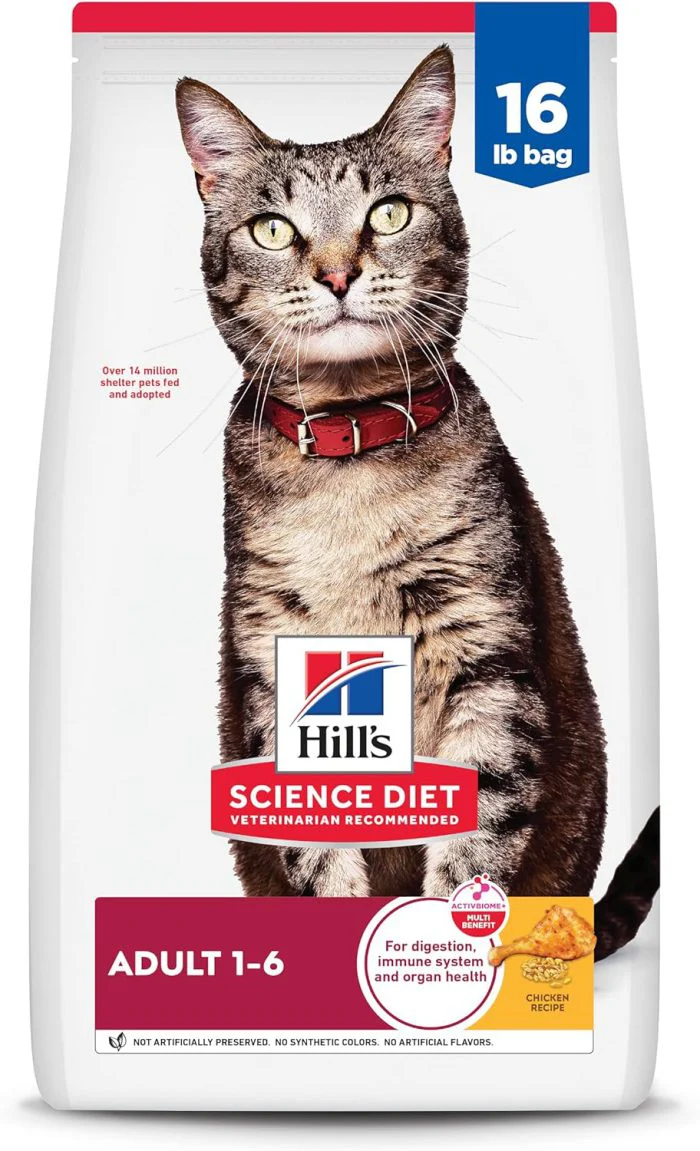
Premium Adult Cat Food: Chicken Recipe, 16 lb. Bag
Hill's Science Diet Premium Adult Cat Food: Nourish your cat with real chicken in this…
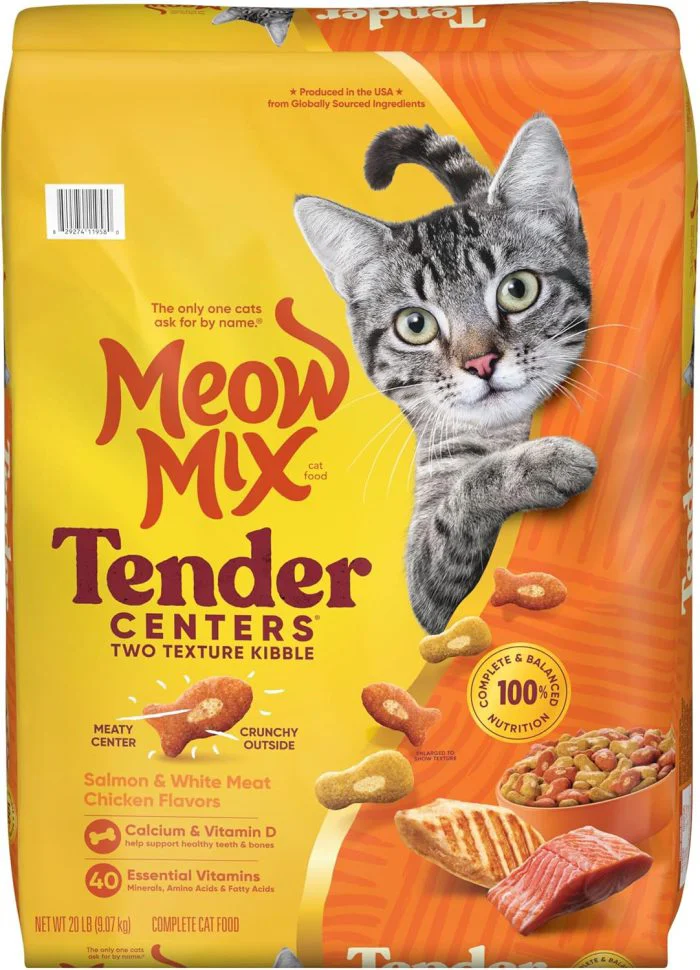
Salmon & Chicken Dry Cat Food, 20 lb. Bag
Meow Mix Salmon & Chicken Dry Cat Food in a 20 lb. bag. A tasty,…
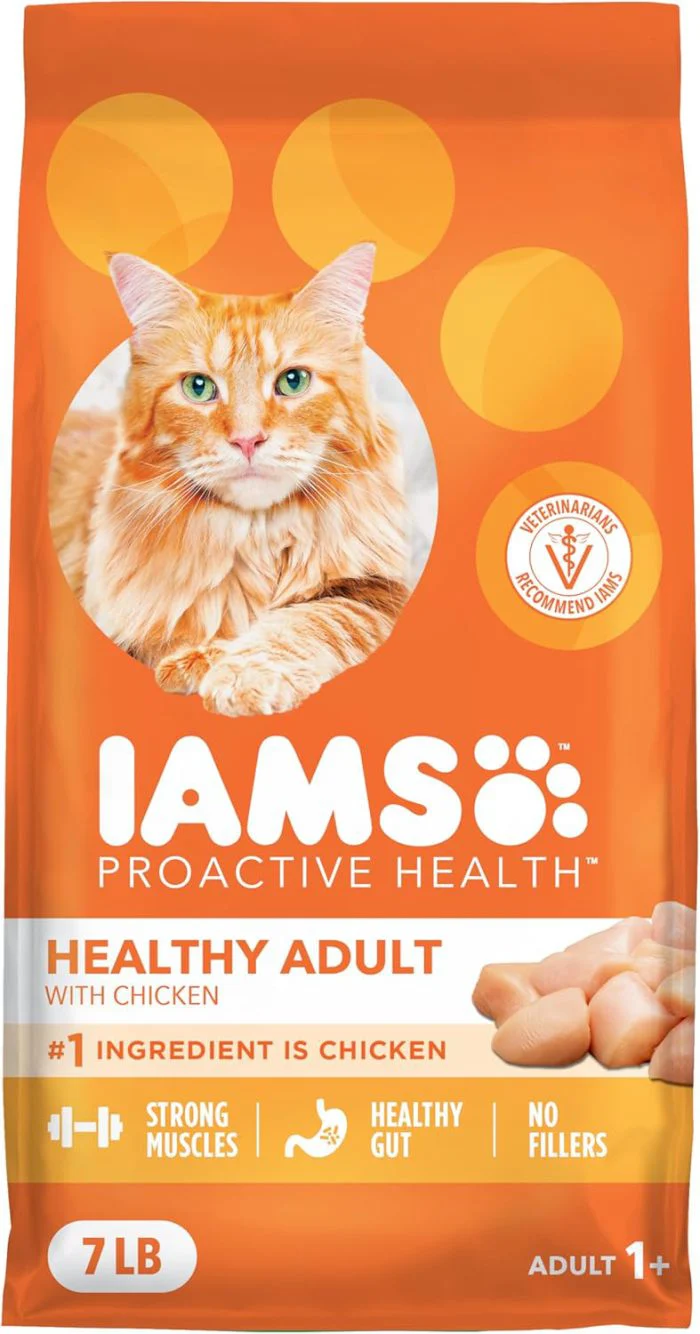
Healthy Adult Cat Food with Chicken – 7 lb Bag
IAMS Healthy Adult Cat Food with Chicken in a 7 lb bag. Premium nutrition for…
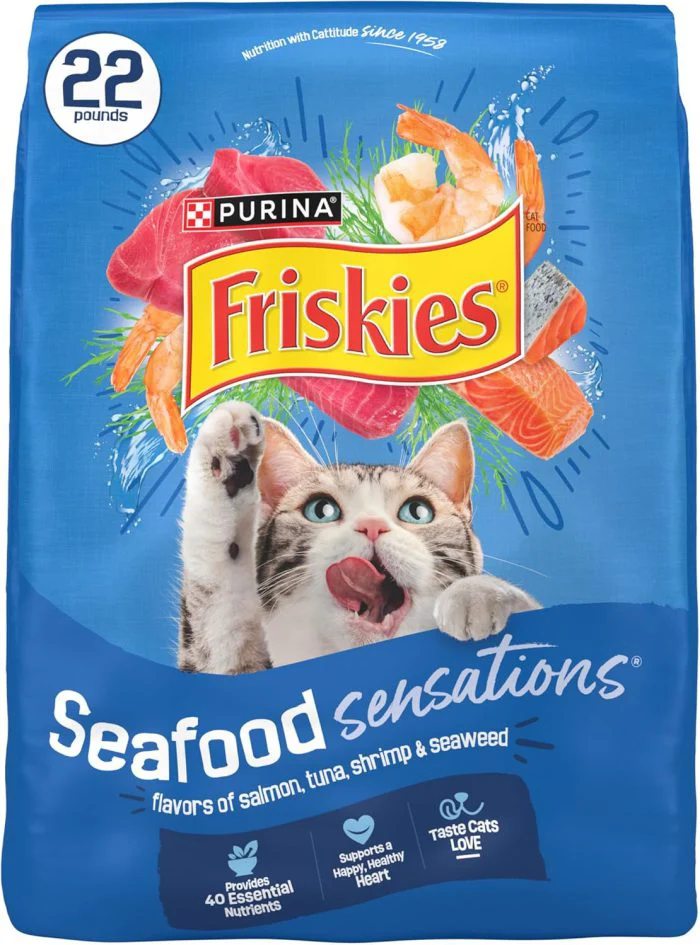
Seafood Sensations Dry Cat Food with Salmon & Tuna
Friskies Seafood Sensations dry cat food. Real salmon & tuna in every bite. Irresistible taste…
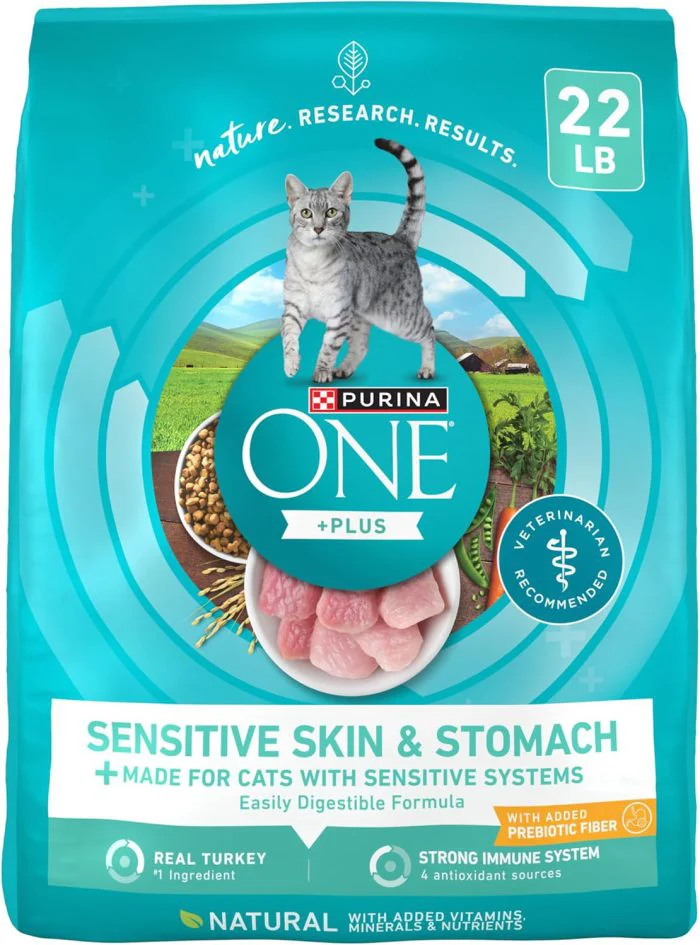
Sensitive Stomach & Skin Dry Cat Food – 22 lb
Purina ONE Sensitive Stomach & Skin Dry Cat Food, 22 lb bag. Supports digestion &…
Related Articles
 Cat Food Guide
What Is the Healthiest Food for a Cat? A Vets Guide to Optimal Nutrition
 Cat Food Guide
Do Vets Recommend Purina for Cats? The Evidence-Based Truth
 Cat Food Guide
What Is the Best Food for Cats With Allergies? A Vets 2026 Guide to Diagnosis & Diets
 Cat Food Guide
What Is the Best Wet Cat Food for Picky Eaters? A Vet-Approved Strategy
 Cat Food Guide
What Is the One Meat to Never Feed a Cat? The Raw Fish Danger Explained
 Cat Food Guide