




How Long Should a Cat Stay on Hypoallergenic Food? A Complete 12-Week Timeline Guide

If you’re asking “how long should a cat stay on hypoallergenic food,” the direct answer is a strict 8 to 12-week elimination diet trial. This is the veterinary gold standard for diagnosing a true food allergy. However, simply knowing the number of weeks isn’t enough. The real question you’re likely asking is, “What should I expect during those weeks, and what happens next?” This process is a commitment, and success hinges on understanding not just the timeline, but the science behind it, the milestones to watch for, and the clear pathways that follow. This guide will provide you with a complete, week-by-week framework, combining clinical expertise with the practical, actionable steps you need to navigate this journey with confidence and care for your cat.

The recommended duration isn’t arbitrary; it’s rooted in feline physiology. When a cat consumes a food allergen, it triggers an immune response. For symptoms to resolve, the offending proteins must be completely cleared from your cat’s system, and the associated inflammation needs time to subside. This biological process cannot be rushed. Skin cell turnover can take up to 12 weeks, which is why dermatological signs like itching and hair loss may be the last to improve. A premature conclusion—switching foods before the 8-week minimum—is the most common reason for a failed trial, wasting your effort and prolonging your cat’s discomfort. Committing to the full timeline is the single most important factor for an accurate diagnosis.
The Hypoallergenic Diet Timeline: A Week-by-Week Expectation Guide
Knowing what to expect can reduce anxiety and help you spot progress. Here is a detailed breakdown of the typical hypoallergenic food trial journey.
| Phase & Week | Physical Changes & Milestones | Owner Actions & Monitoring |
|---|---|---|
| Transition & Start (Week 1-2) | Gradual shift to new food. Gastrointestinal upset (soft stool) is possible initially. No improvement in allergy symptoms yet. | Mix new hypoallergenic food with old diet over 5-7 days. Eliminate all other food sources: treats, table scraps, flavored medications/chews. Document baseline symptoms with notes or photos. |
| Early Response (Week 3-5) | Improvement in gastrointestinal symptoms (vomiting, diarrhea) may begin. Skin symptoms (itching) often remain unchanged. Energy levels may improve. | Stay strictly compliant. You may feel discouraged by persistent itching—this is normal. Continue weekly symptom logs. Contact your vet if GI issues worsen or don’t improve. |
| Mid-Trial Progress (Week 6-8) | Noticeable reduction in skin inflammation, scratching, and over-grooming. Skin lesions may begin to heal. Significant GI improvement should be clear. | This is a critical perseverance period. Compare current logs/photos to baseline to objectively see progress. Schedule a check-in with your vet to report findings. |
| Full Resolution (Week 9-12) | Optimal response period. Skin should appear healthier, with hair regrowth and minimal itching. GI function should be normal. | Continue strict diet. Prepare for the next step: the food challenge. Discuss the challenge protocol in detail with your veterinarian. |
Interpreting the Signs: Is the Food Working?
Improvement patterns can vary based on whether your cat’s primary symptoms are dermatological or gastrointestinal. Cats with primarily GI issues often show a positive response within 2-4 weeks. For cats with skin conditions (Feline Atopic Dermatitis), the first signs of reduced itching might not appear until week 6-8, with full resolution taking the entire 12 weeks. A successful trial is defined as at least an 80% reduction in symptom severity. Conversely, a lack of any improvement by week 12 strongly suggests food is not the primary culprit, pointing your vet toward environmental allergies (like pollen or dust mites) or other medical conditions as the next investigative focus.

The End of the Trial: Your Two Paths Forward
Completing the 8-12 weeks leads to a decisive crossroads. The pathway you take confirms the diagnosis and shapes long-term management.
Path 1: The Trial is Successful.
If symptoms have resolved, the next step is a “food challenge” or “provocation diet.” This is essential to confirm the allergy. You will reintroduce your cat’s old, suspected allergen-containing diet. A relapse of symptoms within hours to days confirms the diagnosis. After confirmation, you return to the hypoallergenic diet, and symptoms should clear again. Your vet may then guide you in trying to identify the specific protein culprit through controlled reintroductions.
Path 2: The Trial is Unsuccessful.
If no significant improvement occurs after a strict 12-week trial, food allergy is likely ruled out. This is valuable diagnostic information. Your veterinarian will then explore other causes, such as:
- Environmental allergies (requiring allergy testing or management).
- Parasites (like mites).
- Bacterial or yeast skin infections.
- Other systemic health issues.
Further diagnostics, such as skin cytology or blood tests, will be recommended.
Common Mistakes That Derail or Prolong the Process
Even with the best intentions, simple oversights can invalidate the trial. Avoid these pitfalls:
- Treats and Table Scraps: Even a single bite of a flavored treat or piece of cheese contains enough protein to trigger an immune response, resetting the trial clock.
- Flavored Medications & Supplements: Heartworm preventatives, joint chews, and even some pill pockets contain animal proteins. Ask your vet for unflavored or hypoallergenic alternatives.
- Incomplete Transition: Switching foods too quickly can cause GI upset, which owners may misinterpret as the diet not working.
- Impatience: Giving up before the 8-week minimum prevents the body from fully responding, leading to an inaccurate conclusion that the diet failed.
- Cross-Contamination: Using the same food scoop for the old and new food, or not washing food bowls thoroughly, can introduce trace allergens.

Choosing the Right Hypoallergenic Diet: Novel vs. Hydrolyzed
Not all hypoallergenic foods work the same way. Your veterinarian will recommend one of two types based on your cat’s history.
TypeHow It WorksBest ForConsiderationsNovel Protein DietUses a single, unique protein source (e.g., duck, venison, rabbit) that the cat’s immune system has never encountered.Cats with a limited dietary history. Requires the owner to have detailed knowledge of all past foods.Must be a truly novel protein. Common proteins like chicken or fish are not suitable if previously fed.Hydrolyzed Protein DietUses proteins (often soy or poultry) that are chemically broken down into tiny fragments too small for the immune system to recognize as an allergen.Cats with extensive or unknown dietary histories. Often considered the most reliable for a diagnostic trial.Scientifically formulated for maximum reliability. May be more expensive than novel protein diets.
Frequently Asked Questions (FAQ)
Q: Can I switch between different hypoallergenic foods during the trial?
No. You must select one prescription hypoallergenic diet (novel protein or hydrolyzed) and stick with it exclusively for the entire 8-12 week trial. Switching mid-stream resets the process and makes it impossible to determine which diet was effective.
Q: What if my cat absolutely refuses to eat the hypoallergenic food?
Transition slowly and use persistence. Warm the food slightly to enhance aroma. Ensure all other food options are removed. If refusal persists beyond a few days, consult your veterinarian. They may recommend a different prescription formula or provide guidance on palatability, as forcing a hunger strike is not the solution.
Q: Are over-the-counter “limited ingredient” diets good enough for a trial?
Generally, no. Prescription hypoallergenic diets are produced with stringent protocols to prevent cross-contamination with other proteins during manufacturing. Many over-the-counter diets, even those marketed as “limited ingredient,” may contain trace amounts of other proteins or unnamed ingredients, which can sabotage a diagnostic trial.
Q: My cat’s symptoms got better but then came back during the trial. What does this mean?
This typically indicates a dietary “cheat” or accidental exposure to an allergen. Re-evaluate everything your cat has access to: treats, scavenged food, flavored medications, or even a shared water bowl with another pet eating a different diet. Once the exposure stops, symptoms should improve again, but the clock on your trial may have been partially reset.
Q: What happens after we confirm a food allergy? Does my cat eat this forever?
Not necessarily. Once the offending allergen is confirmed via the food challenge, your veterinarian may help you identify a long-term maintenance diet. This could be the successful hypoallergenic diet, a different novel protein diet, or a carefully selected commercial diet that definitively excludes the trigger protein. The goal is to find a nutritionally complete and palatable diet that keeps your cat symptom-free.

Q: Can kittens be put on a hypoallergenic diet?
Yes, but it requires careful veterinary supervision. Kittens have specific nutritional needs for growth. Your vet will prescribe a hydrolyzed or novel protein diet that is formulated to be nutritionally complete for all life stages, including growth, to ensure the trial is safe for a developing kitten.
Q: How do I handle giving medications during the trial?
This is a critical detail. Inform your veterinarian that your cat is on an elimination diet. Request unflavored versions of any necessary medications. Avoid all flavored oral medications, chews, or supplements unless they are confirmed to be compatible with the trial diet. Your vet or pharmacist can often provide alternatives.
Navigating a hypoallergenic food trial requires a blend of patience, precision, and partnership with your veterinarian. By understanding the essential 8 to 12-week timeline, knowing what to expect week-by-week, and strictly avoiding common pitfalls, you empower yourself to reach a clear diagnosis. Whether the outcome confirms a food allergy or points to another cause, completing the process correctly provides the definitive answers needed to ensure your cat’s long-term comfort and health. Remember, this investment of time and diligence is the most direct path to relieving your cat’s suffering and restoring their quality of life.

Related Products
Meow Mix : Original Choice Dry Cat Food, 22 lb Bag
Save big on your cat's favorite! Meow Mix Original Choice Dry Cat Food in the…
Premium Adult Cat Food: Chicken Recipe, 16 lb. Bag
Hill's Science Diet Premium Adult Cat Food: Nourish your cat with real chicken in this…
Salmon & Chicken Dry Cat Food, 20 lb. Bag
Meow Mix Salmon & Chicken Dry Cat Food in a 20 lb. bag. A tasty,…
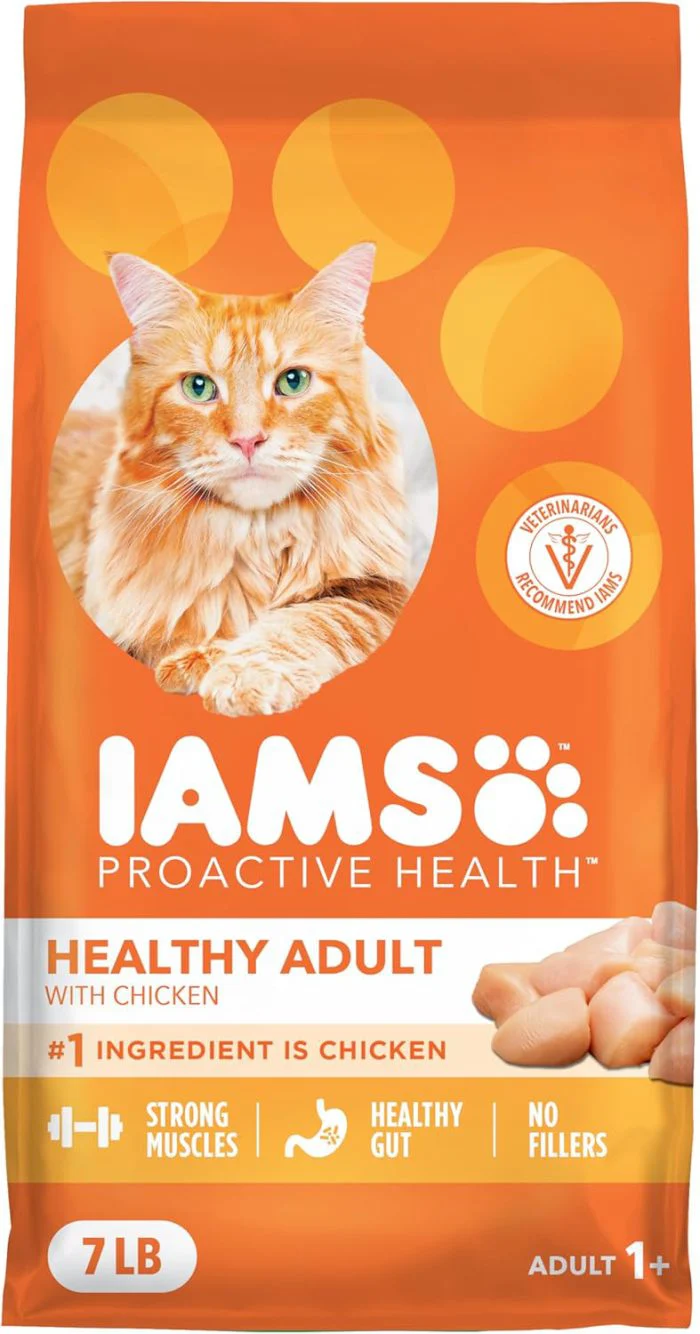
Healthy Adult Cat Food with Chicken – 7 lb Bag
IAMS Healthy Adult Cat Food with Chicken in a 7 lb bag. Premium nutrition for…
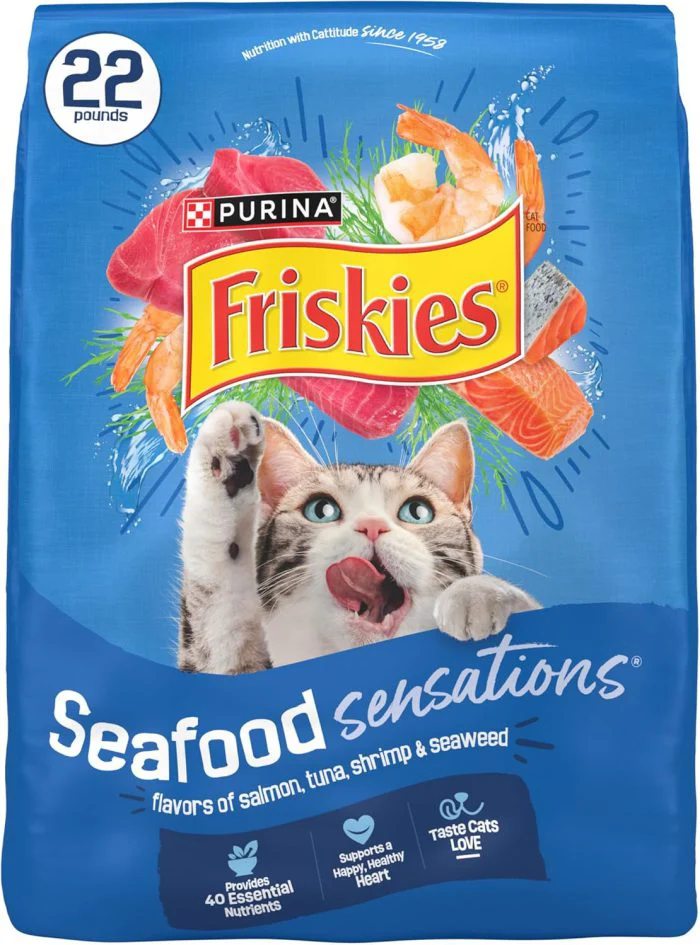
Seafood Sensations Dry Cat Food with Salmon & Tuna
Friskies Seafood Sensations dry cat food. Real salmon & tuna in every bite. Irresistible taste…
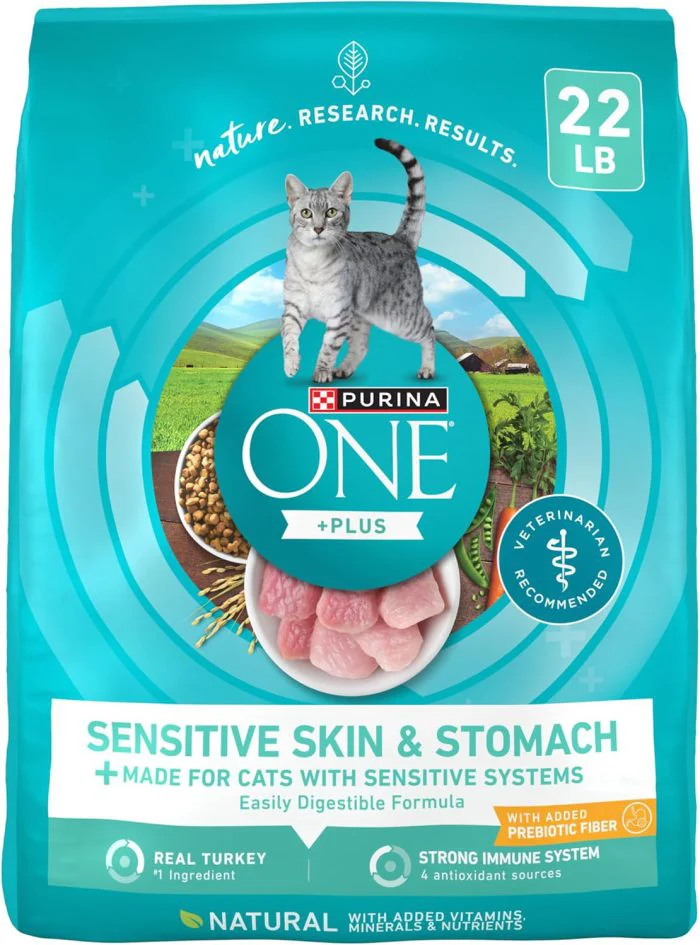
Sensitive Stomach & Skin Dry Cat Food – 22 lb
Purina ONE Sensitive Stomach & Skin Dry Cat Food, 22 lb bag. Supports digestion &…
Related Articles
 Cat Food Guide
What to Avoid in Wet Cat Food? The 2026 Guide to Reading Labels and Choosing Safely
 Cat Food Guide
Hypoallergenic Cat Foods – The 2026 Guide from Diagnosis to Bowl
 Cat Food Guide
What are the five cat foods to avoid? A Vet-Approved Safety Guide
 Cat Food Guide
What treat is irresistible to cats? A Vets Guide to Feline Taste & Top Picks
 Cat Food Guide
What Is the Healthiest Wet Cat Food for Indoor Cats? A 2026 Vet-Backed Guide
 Cat Food Guide