


Best Wet Cat Food for Indoor Cats – 2026 Vet Guide & Feeding Toolkit

Choosing the best wet cat food for indoor cats requires more than just picking a popular brand. Your indoor companion has a unique physiology and lifestyle that demands a tailored nutritional approach. Unlike their outdoor counterparts, indoor cats face specific challenges like lower activity levels, increased hairball risk, and a predisposition to urinary tract issues and weight gain. This guide, developed with insights from veterinary nutritionists, cuts through the clutter to provide you with a 2026 handbook focused exclusively on your indoor cat’s health. We’ll identify top-performing formulas and, crucially, equip you with the practical tools to implement a diet that supports a long, vibrant life.
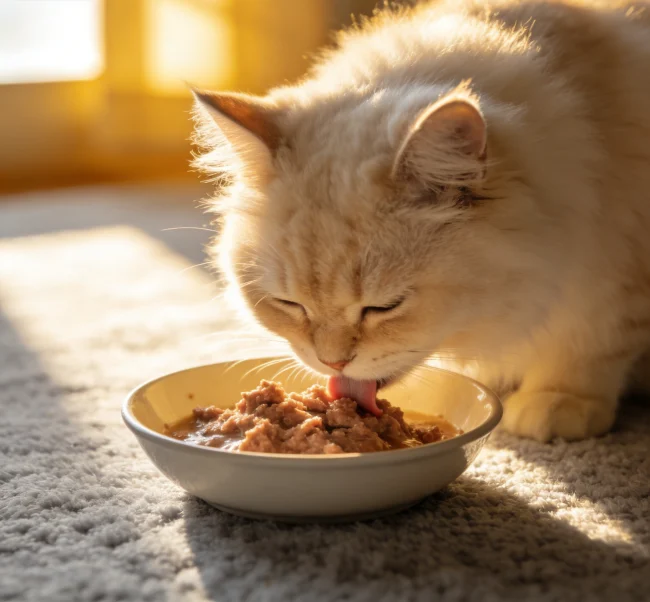
Understanding your cat’s biology is the first step to optimal nutrition. As obligate carnivores, all cats require high levels of animal-based protein. However, the indoor environment modifies key needs. A slower metabolism means indoor cats burn 20-30% fewer calories. Without careful portion control, this leads directly to obesity. Furthermore, constant grooming in a stable, low-stress home environment results in more ingested fur, necessitating dietary support for hairball passage. Reduced water intake from quieter lifestyles can concentrate urine, elevating the risk of crystals and FLUTD (Feline Lower Urinary Tract Disease). A superior indoor cat diet proactively addresses these four pillars: controlled calories, hairball management, urinary tract health, and high palatability for often finicky eaters.
Our 2026 Evaluation Methodology: How We Selected These Foods
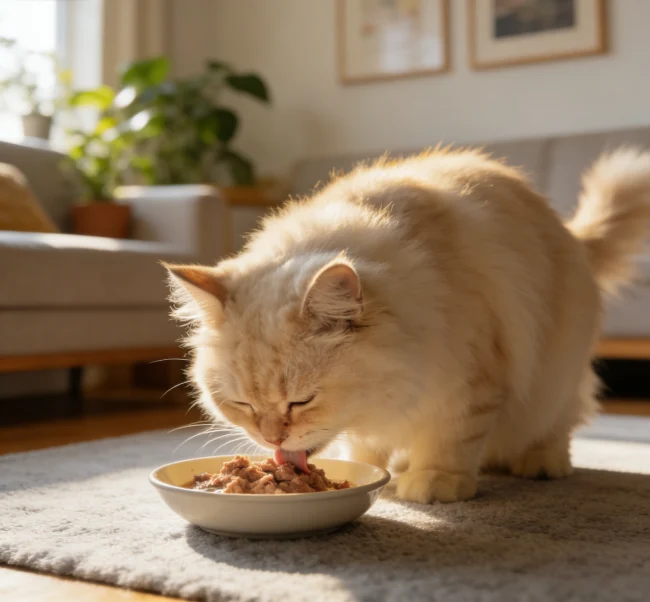
Our recommendations are grounded in a multi-point analysis designed to reflect both expert standards and real-world practicality. First, we consulted with a panel of veterinary professionals to establish nutritional benchmarks for indoor cats, focusing on protein sources, calorie density, and functional ingredients. Second, we conducted a blind ingredient analysis, eliminating any product with vague meat meals, excessive carbohydrates, or artificial additives. Third, we calculated the actual cost-per-feeding based on caloric content and recommended daily intake for a 10-pound indoor cat, moving beyond simple price-per-can to true value. Finally, we incorporated feedback from a community of “cat parent” testers regarding palatability and ease of transition.
Top Picks for Indoor Cats: Curated by Specific Need
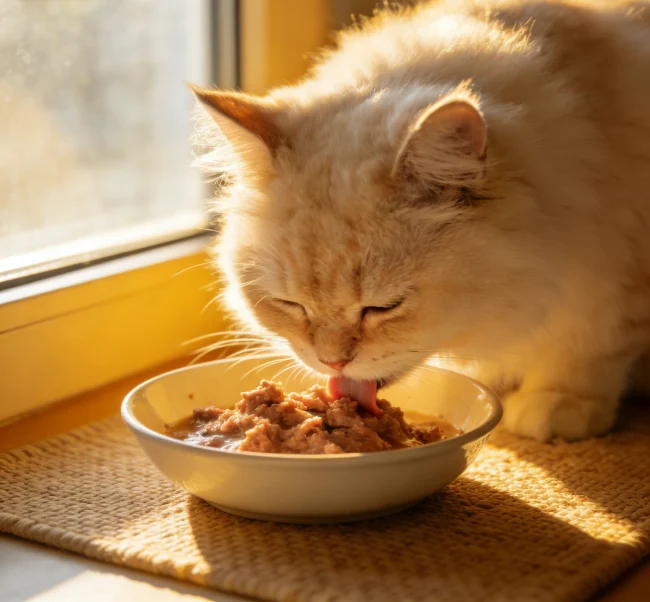
Generic “best of” lists fall short. Here are our 2026 selections, organized by the most common indoor cat goals.
Best Overall for Weight & Health Management: Hill’s Science Diet Adult Perfect Weight Chicken & Vegetable Entrée
This vet-recommended formula excels in balanced nutrition for indoor lifestyles. Its clinical research-backed blend promotes healthy weight loss and maintenance through a precise calorie count and high protein to support lean muscle. It includes natural fibers for hairball control and is formulated for urinary health.
Best for Proactive Hairball Control: Purina Pro Plan Indoor Care Adult Chicken & Rice Formula
Specifically engineered for the indoor cat, this food features a proprietary fiber blend, including cellulose, that helps move ingested hair through the digestive tract to reduce hairballs by up to 50%. It maintains a lean body mass with 10% less fat than Pro Plan’s adult formulas and includes omega-6 fatty acids for skin and coat health.
Best for Picky Eaters & Palatability: Tiki Cat After Dark Grain-Free Pâté
Indoor cats can be notoriously finicky. Tiki Cat’s After Dark line uses shredded, hand-flaked meats in a savory consommé, mimicking the texture and aroma of fresh prey. The high moisture content and irresistible taste make it an excellent choice for encouraging hydration and consistent eating in sensitive cats.
Best for Multi-Cat Households: Blue Buffalo Wilderness Indoor Chicken Recipe Grain-Free Pâté
When feeding both indoor and more active cats, or multiple indoor cats with different appetites, this formula offers a great balance. It’s grain-free with high-protein chicken to satisfy carnivorous instincts, includes LifeSource Bits for immune health, and has a controlled calorie content to help prevent weight gain in all residents.
Detailed 2026 Indoor Cat Food Comparison

To make your decision clear, here is a side-by-side analysis of our top picks, including the critical “Daily Cost” metric.
| Product | Key Benefit | Calories (per 3oz can) | Indoor-Specific Feature | Estimated Daily Cost |
|---|---|---|---|---|
| Hill’s Science Diet Perfect Weight | Weight Management | 73 | Clinically proven for weight loss | $1.85 |
| Purina Pro Plan Indoor Care | Hairball Control | 78 | Specialized fiber blend | $1.65 |
| Tiki Cat After Dark Pâté | Palatability | 65 | High moisture, shreds-in-broth texture | $2.40 |
| Blue Buffalo Wilderness Indoor | Multi-Cat Homes | 88 | Grain-free, controlled calories |
Based on feeding a 10-lb indoor cat 2 cans daily at MSRP. Cost is for comparison only.
The Practical Indoor Cat Owner’s Toolkit
A great food is only effective if implemented correctly. This toolkit bridges the gap between purchase and successful feeding.
The Stress-Free Transition Guide: Abrupt changes cause digestive upset. Over 7-10 days, slowly mix the new food with the old, increasing the ratio daily. For the ultra-picky indoor cat, try warming the food to body temperature or adding a sprinkle of a nutritional topper from the new brand to encourage tasting.
The “How Much to Feed” Calculator: Use this simple formula: Daily Calories = (Resting Energy Requirement of 20 x Cat’s Weight in lbs) x 1.2 (Indoor Activity Factor). For a 10-lb cat: (20 x 10) x 1.2 = 240 calories/day. Always check the calorie content on your chosen can and divide accordingly. When in doubt, consult your vet.
Managing Multi-Pet Dynamics: Feed cats separately to prevent food guarding and ensure each gets their specific formula. Use microchip-activated feeders or simply feed in separate rooms. Establish consistent routines to reduce anxiety-driven overeating.
Frequently Asked Questions (FAQ)
Q: Is grain-free food necessary for indoor cats?
A: Not necessarily. While some cats have grain allergies, most digest grains like rice or barley perfectly well. The priority is high animal protein and low carbohydrates. Many excellent indoor formulas include grains as a digestible energy source. Focus on the overall ingredient quality and nutritional profile, not just the grain-free label.
Q: How often should I feed my indoor cat wet food?
A: Most experts recommend feeding measured portions twice daily. This mimics natural hunting cycles, provides mental stimulation, and helps prevent obesity by controlling total intake. For weight loss, your vet may recommend three or more smaller meals. Free-feeding dry food is a common contributor to weight gain in indoor cats.
Q: What ingredient should I look for to help with hairballs?
A: Look for natural sources of soluble and insoluble fiber. Cellulose, psyllium, beet pulp, and pumpkin are common and effective. These ingredients help bind and move ingested fur through the digestive tract. Also, ensuring adequate hydration through wet food itself is one of the best ways to keep hairballs moving.
Q: My indoor cat is overweight. What’s the first step with their diet?
A: First, schedule a vet visit to rule out medical issues. Then, accurately calculate their daily caloric needs (see our toolkit above) and measure every portion. Transition to a “weight control” or “perfect weight” formula that is high in protein and fiber to promote satiety. Increasing interactive play is the essential companion to dietary change.
Q: Are “indoor formula” cat foods just a marketing gimmick?
A: No, when from reputable brands, they are formulated with specific intent. These foods typically have a controlled calorie density, added fiber for hairballs, and minerals balanced for urinary health. They are a valuable tool, but always verify by checking the actual calorie and ingredient list against your cat’s needs.
Q: Can I mix wet and dry food for my indoor cat?
A: Absolutely, and it can be beneficial. This hybrid approach provides the dental benefits of kibble (though brushing is best) and the hydration of wet food. Simply ensure the total daily calories from both sources do not exceed your cat’s requirement. Calculate the portions of each to create a balanced daily menu.
Selecting the best wet food is an act of care that directly impacts your indoor cat’s vitality and longevity. By focusing on formulas that target weight management, hairball control, and urinary health, you address the core challenges of the indoor lifestyle. Use the practical tools for transition and portioning to ensure success. Remember, your veterinarian is your ultimate partner in tailoring nutrition to your individual cat’s health journey.

Related Products
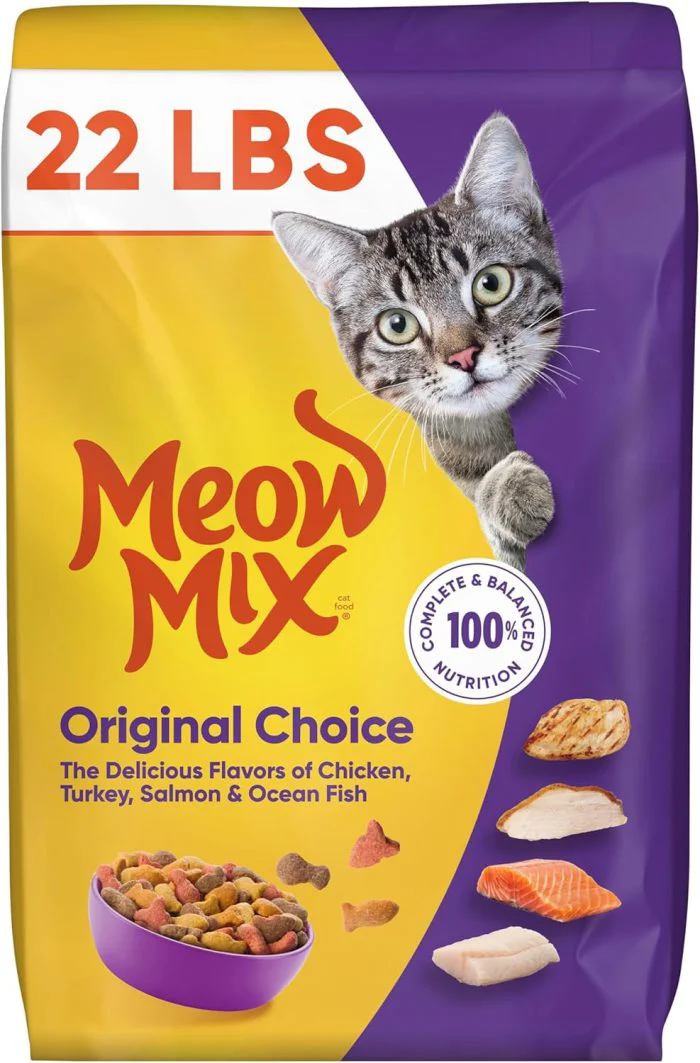
Meow Mix : Original Choice Dry Cat Food, 22 lb Bag
Save big on your cat's favorite! Meow Mix Original Choice Dry Cat Food in the…
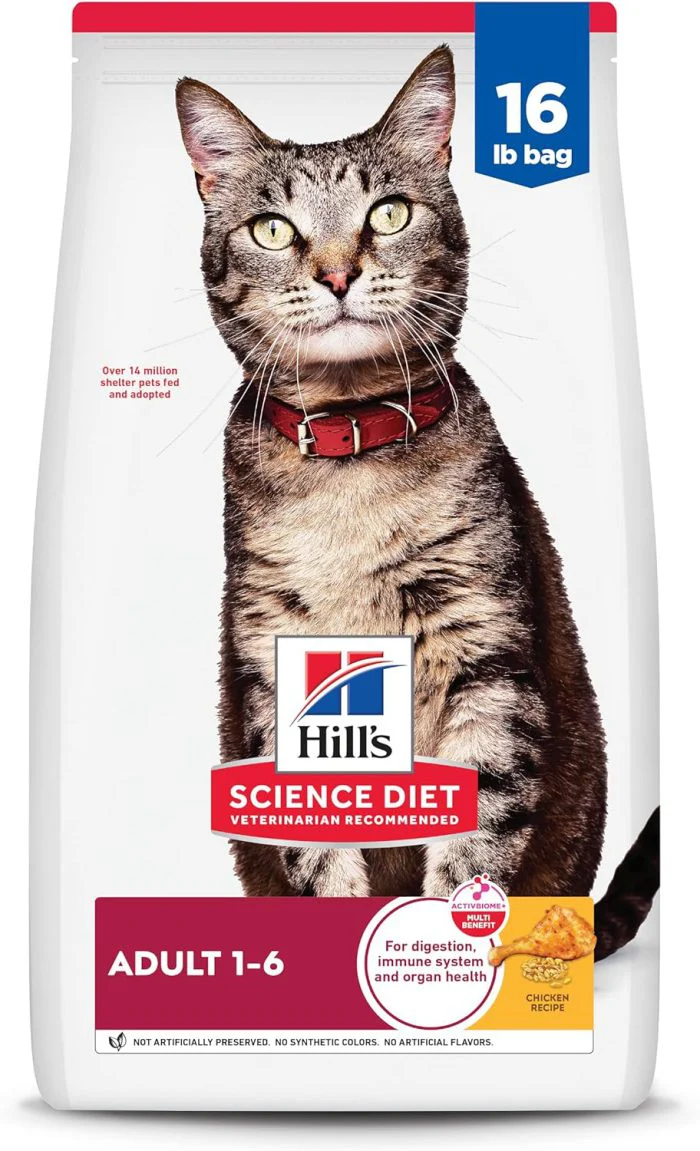
Premium Adult Cat Food: Chicken Recipe, 16 lb. Bag
Hill's Science Diet Premium Adult Cat Food: Nourish your cat with real chicken in this…
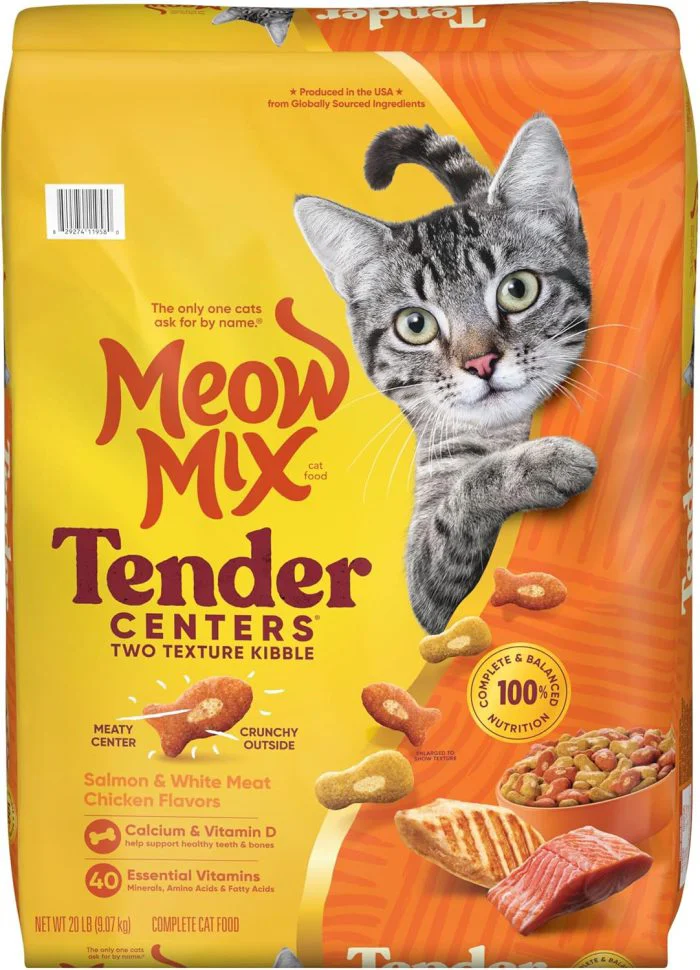
Salmon & Chicken Dry Cat Food, 20 lb. Bag
Meow Mix Salmon & Chicken Dry Cat Food in a 20 lb. bag. A tasty,…
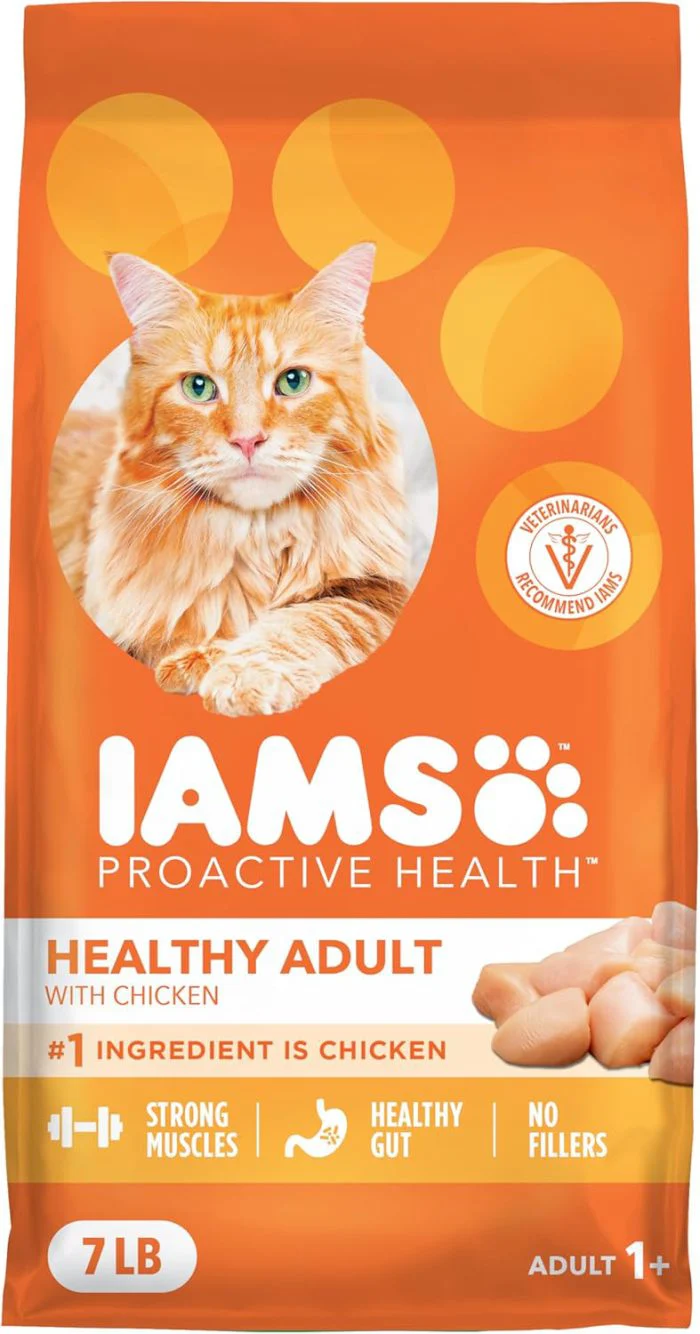
Healthy Adult Cat Food with Chicken – 7 lb Bag
IAMS Healthy Adult Cat Food with Chicken in a 7 lb bag. Premium nutrition for…
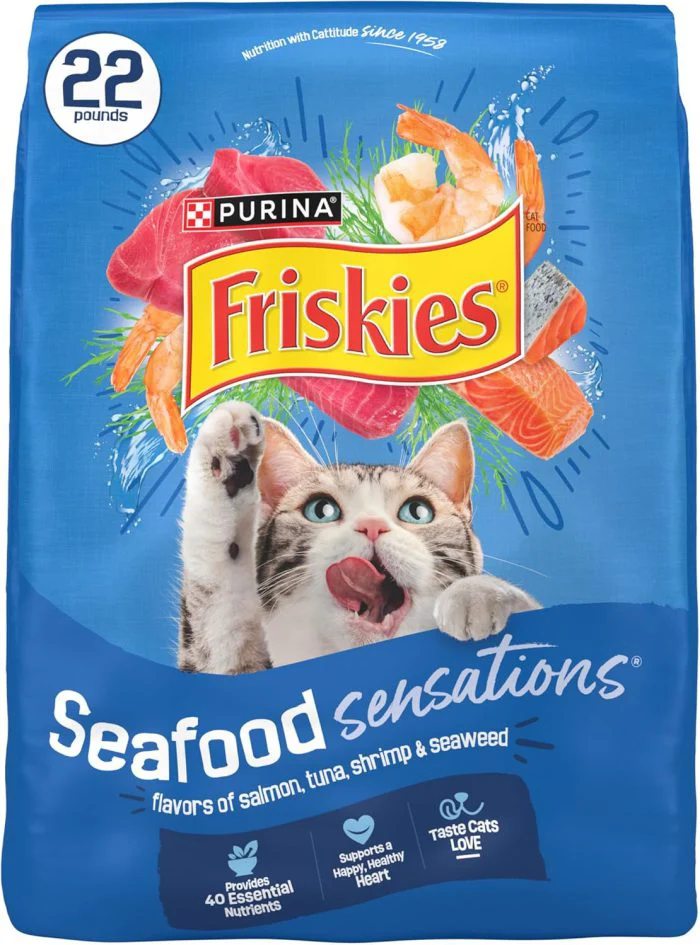
Seafood Sensations Dry Cat Food with Salmon & Tuna
Friskies Seafood Sensations dry cat food. Real salmon & tuna in every bite. Irresistible taste…
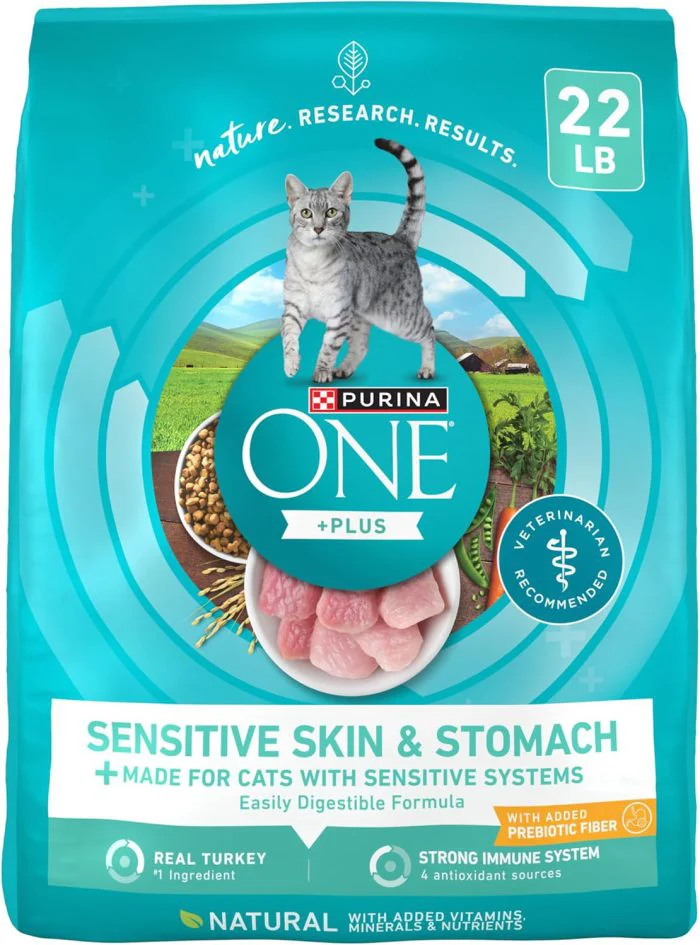
Sensitive Stomach & Skin Dry Cat Food – 22 lb
Purina ONE Sensitive Stomach & Skin Dry Cat Food, 22 lb bag. Supports digestion &…
Related Articles
 Cat Food Guide
Is Purina Any Good for Cats? A 2026 Evidence-Based Review
 Cat Food Guide
What Is the One Meat to Never Feed a Cat? The Raw Fish Danger Explained
 Cat Food Guide
Hypoallergenic Cat Foods – The 2026 Guide from Diagnosis to Bowl
 Cat Food Guide
Do Vets Recommend Purina for Cats? The Evidence-Based Truth
 Cat Food Guide
What treat is irresistible to cats? A Vets Guide to Feline Taste & Top Picks
 Cat Food Guide