



How to Choose the Right Cat Litter: Complete 2026 Guide for Happy Cats

Choosing the right cat litter is one of the most important decisions you’ll make as a cat owner. With dozens of options available on the market, from traditional clay to eco-friendly alternatives, finding the perfect cat litter for your feline friend can feel overwhelming. This comprehensive guide will walk you through everything you need to know about how to choose cat litter that works best for both you and your cat.
Whether you’re a first-time cat parent or looking to switch from your current litter, understanding the different types of cat litter, their pros and cons, and what factors to consider will help you make an informed decision. The right cat litter can make a significant difference in odor control, ease of cleaning, your cat’s comfort, and even your household’s overall cleanliness.
Table of Contents
- Understanding Cat Litter Basics
- Types of Cat Litter Explained
- Clumping vs Non-Clumping Litter
- Key Factors to Consider
- Understanding Your Cat’s Preferences
- Health and Safety Considerations
- Environmental Impact of Cat Litter
- Budget and Cost Analysis
- Special Situations and Needs
- Testing and Transitioning to New Litter
- Litter Box Maintenance Tips
- Common Mistakes to Avoid
- Expert Recommendations
- Frequently Asked Questions
- Final Thoughts
Understanding Cat Litter Basics
Before diving into the specifics of how to choose cat litter, it’s essential to understand what cat litter is and why it matters. Cat litter serves multiple purposes: it absorbs moisture, controls odors, provides a comfortable surface for your cat, and makes waste management easier for you.
The Evolution of Cat Litter
Cat litter as we know it today was invented in 1947 by Edward Lowe, who discovered that clay granules could absorb cat waste more effectively than the sand, dirt, or ashes that people previously used. Since then, the cat litter industry has evolved dramatically, with manufacturers developing various formulations to address different needs and preferences.
Modern cat litter options range from traditional clay-based products to innovative plant-based alternatives. Each type of cat litter has been designed with specific benefits in mind, whether that’s superior odor control, better clumping ability, reduced dust, or environmental sustainability.
Why Choosing the Right Cat Litter Matters
The cat litter you choose affects multiple aspects of your life and your cat’s wellbeing:
- Your Cat’s Comfort: Cats are particular about their bathroom habits. The wrong litter texture, scent, or depth can cause litter box aversion, leading to accidents outside the box.
- Odor Control: Effective cat litter should neutralize ammonia and other odors, keeping your home fresh and pleasant.
- Ease of Cleaning: The right cat litter makes daily scooping and regular litter changes much more manageable.
- Health Monitoring: Good cat litter allows you to easily spot changes in your cat’s urine or feces, which can be early indicators of health issues.
- Household Cleanliness: Low-tracking cat litter helps keep your floors clean and reduces the spread of litter throughout your home.
- Budget Impact: Different types of cat litter vary significantly in price and longevity, affecting your monthly pet care expenses.
Understanding these basics helps you appreciate why taking the time to choose cat litter carefully is worth the effort. The right choice can improve your quality of life and your cat’s happiness significantly.
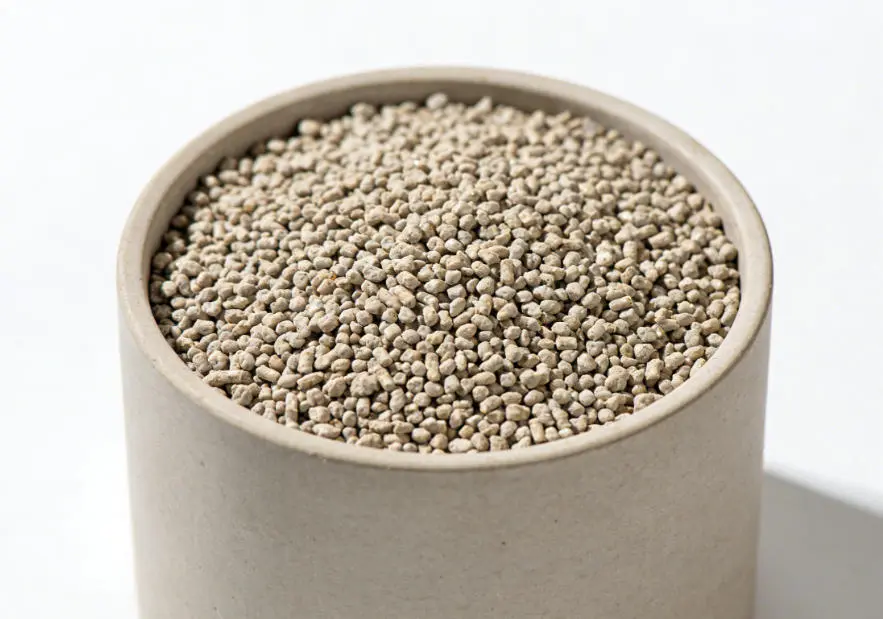
Types of Cat Litter Explained
When learning how to choose cat litter, understanding the different types available is crucial. Each type has unique characteristics, advantages, and disadvantages. Let’s explore the main categories of cat litter in detail.
Clay-Based Cat Litter
Clay cat litter remains the most popular choice among cat owners, primarily due to its effectiveness and affordability. There are two main types of clay litter:
Traditional (Non-Clumping) Clay Litter
Traditional clay litter is made from absorbent clay minerals, typically fuller’s earth or diatomaceous earth. This type of cat litter absorbs moisture but doesn’t form clumps, requiring you to change the entire litter box regularly.
Pros:
- Most affordable option
- Widely available
- Good odor absorption
- Familiar texture for most cats
Cons:
- Requires complete litter changes more frequently
- Can be dusty
- Heavy to carry
- Not environmentally friendly
Clumping Clay Litter
Clumping clay litter, usually made from sodium bentonite, forms solid clumps when it comes into contact with liquid. This makes it easy to scoop out waste while leaving clean litter behind.
Pros:
- Easy to scoop and maintain
- Excellent odor control
- More economical in the long run
- Allows for spot cleaning
- Lasts longer between complete changes
Cons:
- More expensive than non-clumping clay
- Can be dusty (though dust-free options exist)
- Heavy to transport
- Not biodegradable
- May not be safe for kittens who might ingest it
Silica Gel (Crystal) Cat Litter
Crystal cat litter is made from silica gel beads that absorb moisture and control odors effectively. These crystals change color as they absorb liquid, indicating when it’s time to change the litter.
Pros:
- Excellent odor control
- Low dust
- Lightweight
- Lasts longer than clay (up to a month)
- Low tracking
- Absorbs moisture quickly
Cons:
- More expensive upfront
- Some cats dislike the texture
- Can be noisy when cats dig
- Not biodegradable
- Requires complete changes rather than scooping
Natural and Plant-Based Cat Litter
Natural cat litter options have gained popularity among environmentally conscious pet owners. These are made from renewable, biodegradable materials.
Pine Cat Litter
Made from compressed pine sawdust, pine litter comes in pellet or granule form. It has a natural pine scent that helps control odors.
Pros:
- Natural pine scent masks odors
- Biodegradable and compostable
- Low dust
- Lightweight
- Affordable
- Renewable resource
Cons:
- Pine scent may be too strong for some
- Pellets can be uncomfortable for some cats
- Tracking can be an issue
- May require more frequent changes
Corn-Based Cat Litter
Corn litter is made from whole-kernel corn and offers natural clumping abilities.
Pros:
- Natural clumping
- Biodegradable and flushable
- Low dust
- Pleasant, mild scent
- Lightweight
- Safe if ingested
Cons:
- More expensive than clay
- Can attract insects if not stored properly
- May develop mold in humid conditions
- Some cats may try to eat it
Wheat-Based Cat Litter
Wheat litter uses natural enzymes in wheat to neutralize odors and forms clumps naturally.
Pros:
- Natural clumping
- Biodegradable
- Low dust
- Natural odor control
- Soft texture
- Flushable
Cons:
- Higher price point
- May attract pests
- Not suitable for cats with wheat allergies
- Can track more than some alternatives
Paper-Based Cat Litter
Made from recycled paper, this cat litter is often recommended for cats recovering from surgery or with sensitive paws.
Pros:
- Very soft and gentle
- Virtually dust-free
- Highly absorbent
- Eco-friendly
- Good for post-surgery recovery
- Lightweight
Cons:
- Doesn’t control odors as well
- Requires frequent changes
- Can be expensive
- May track easily
- Some cats don’t like the texture
Walnut Shell Cat Litter
Made from crushed walnut shells, this is a newer natural option gaining popularity.
Pros:
- Excellent odor control
- Natural clumping
- Low dust
- Biodegradable
- Dark color hides waste
- Lightweight
Cons:
- More expensive
- Can track
- Not suitable for cats with nut allergies
- Limited availability
Grass Seed Cat Litter
One of the newest natural options, grass seed litter is made from dried grass and offers unique benefits.
Pros:
- Extremely lightweight
- Natural clumping
- Biodegradable
- Low dust
- Pleasant, natural scent
- Soft texture
Cons:
- Premium price
- May track
- Newer option with less long-term data
- Limited availability in some areas
Understanding these different types of cat litter is the first step in learning how to choose cat litter that will work best for your situation. Each type has its place, and the right choice depends on your priorities, budget, and your cat’s preferences.
Clumping vs Non-Clumping Cat Litter: Making the Right Choice
One of the most fundamental decisions when you choose cat litter is whether to go with clumping or non-clumping varieties. This choice significantly impacts your daily maintenance routine, costs, and overall satisfaction with your cat litter.
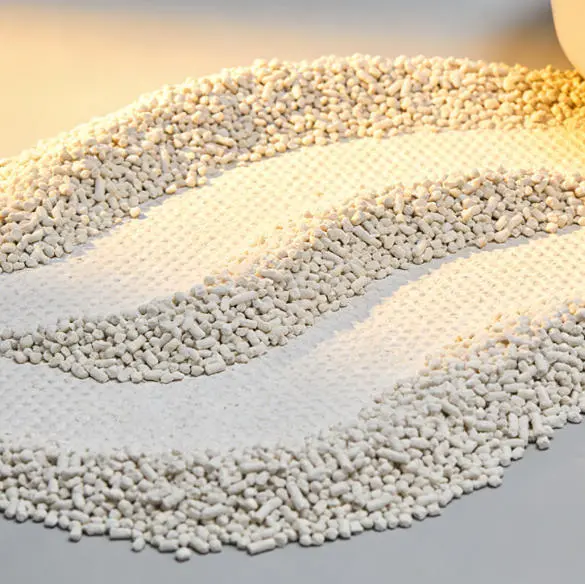
How Clumping Cat Litter Works
Clumping cat litter contains materials (usually sodium bentonite clay or natural starches) that bind together when exposed to moisture. When your cat urinates, the litter forms a solid clump that can be easily scooped out, leaving the remaining litter clean and dry.
The clumping mechanism works through a process called agglomeration. The moisture activates binding agents in the litter, causing the granules to stick together. High-quality clumping cat litter forms tight, solid clumps that don’t break apart during scooping, making waste removal efficient and thorough.
How Non-Clumping Cat Litter Works
Non-clumping cat litter absorbs moisture but doesn’t form solid masses. Instead, the liquid disperses throughout the litter, being absorbed by the clay or other absorbent materials. This type of cat litter requires you to remove solid waste daily and change the entire litter box more frequently.
Detailed Comparison
Maintenance and Convenience
Clumping Litter: Daily maintenance involves scooping out clumps and solid waste, which typically takes just a few minutes. You can maintain the same litter for weeks by adding fresh litter to replace what you’ve removed. Complete litter changes are needed less frequently, usually every 2-4 weeks depending on the number of cats.
Non-Clumping Litter: While you still need to scoop solid waste daily, urine-soaked litter remains in the box, requiring more frequent complete changes (typically weekly). This means more time spent cleaning and more litter used overall.
Odor Control
Clumping Litter: Generally provides superior odor control because you remove urine-soaked litter daily. The clumps seal in odors, and removing them promptly prevents ammonia buildup. Many clumping litters also include odor-neutralizing additives.
Non-Clumping Litter: Can control odors initially, but as urine disperses through the litter, odors can become more noticeable over time. Even with daily solid waste removal, the accumulated urine in the litter can create stronger odors, especially in multi-cat households.
Cost Analysis
Clumping Litter: Higher upfront cost per bag, but more economical long-term. Since you only remove soiled litter, a bag lasts longer. For a single cat, a 20-pound bag might last 3-4 weeks.
Non-Clumping Litter: Lower initial cost, but you use more litter overall due to frequent complete changes. For a single cat, you might go through a bag every 1-2 weeks.
Environmental Impact
Clumping Litter: Clay-based clumping litter is not biodegradable and must go to landfills. However, you use less overall. Natural clumping litters (corn, wheat, etc.) offer biodegradable alternatives.
Non-Clumping Litter: Traditional clay non-clumping litter also isn’t biodegradable, and you use more of it. Some non-clumping options like paper or pine are more eco-friendly.
Safety Considerations
Clumping Litter: Not recommended for kittens under 3-4 months old, as they might ingest it while learning to use the litter box. The clumping action could cause intestinal blockages. Also requires careful monitoring with cats who tend to eat litter.
Non-Clumping Litter: Generally safer for kittens and cats with pica (compulsive eating of non-food items). Less risk if accidentally ingested.
Which Should You Choose?
Choose clumping cat litter if:
- You want easier daily maintenance
- Odor control is a top priority
- You have multiple cats
- You want long-term cost savings
- Your cats are adults (not young kittens)
- You prefer less frequent complete litter changes
Choose non-clumping cat litter if:
- You have young kittens
- Your cat has a history of eating litter
- You prefer lower upfront costs
- You don’t mind more frequent complete changes
- You want a simpler, more traditional option
For most cat owners, clumping cat litter offers the best balance of convenience, odor control, and cost-effectiveness. However, understanding both options helps you make an informed decision when you choose cat litter for your specific situation.
Key Factors to Consider When Choosing Cat Litter
Learning how to choose cat litter involves evaluating multiple factors beyond just the type. Here are the critical considerations that should guide your decision:
1. Odor Control Capabilities
Odor control is often the top priority for cat owners. The best cat litter should effectively neutralize ammonia and other unpleasant smells.
What to look for:
- Natural odor-absorbing properties (activated charcoal, baking soda)
- Tight clumping that seals in odors
- Antimicrobial additives
- Natural enzyme action (in plant-based litters)
Scented vs. Unscented: While scented cat litter might seem like a good solution, many cats dislike artificial fragrances. Unscented litter with good natural odor control is often the better choice. If you do choose scented litter, opt for light, natural scents rather than strong artificial fragrances.
2. Dust Levels
Dust from cat litter can affect both human and feline respiratory health. When you choose cat litter, dust levels should be a significant consideration.
Why it matters:
- Reduces respiratory irritation for you and your cat
- Keeps your home cleaner
- Particularly important for cats with asthma or allergies
- Affects air quality in your home
Low-dust options:
- Crystal/silica gel litter
- Paper-based litter
- Dust-free clay formulations
- Large-granule natural litters
3. Tracking and Scatter
Tracking occurs when litter sticks to your cat’s paws and gets carried throughout your home. This is a common complaint among cat owners.
Factors affecting tracking:
- Granule size (larger granules track less)
- Litter texture and weight
- How much litter you use
- Your litter box design
Low-tracking options:
- Large pellet litters
- Heavier granules
- Crystal litter
- Specialized low-tracking formulations
4. Absorption Rate
Good cat litter should absorb moisture quickly and effectively, keeping the litter box dry and comfortable for your cat.
Best absorbers:
- Clay-based litters (especially sodium bentonite)
- Crystal/silica gel litter
- Paper-based litter
- Corn and wheat litters
Quick absorption is particularly important in multi-cat households where the litter box sees frequent use.
5. Texture and Comfort
Cats are sensitive to texture, and the feel of the litter under their paws can significantly impact their willingness to use the litter box.
Texture preferences:
- Most cats prefer fine-grained litter similar to sand
- Some cats adapt well to larger pellets
- Soft textures are important for cats with sensitive paws
- Declawed cats often prefer softer litters
6. Flushability
Some cat owners prefer flushable litter for convenient disposal, but this feature comes with important considerations.
Flushable options:
- Corn-based litter
- Wheat-based litter
- Some paper litters
- Certain pine litters
Important notes:
- Check local regulations (some areas prohibit flushing cat waste)
- Only flush small amounts at a time
- Never flush clay litter (it can clog pipes)
- Consider septic system compatibility
- Be aware of environmental concerns about flushing cat waste
7. Weight and Portability
The weight of cat litter affects how easy it is to transport, pour, and handle.
Lightweight options:
- Crystal litter
- Paper-based litter
- Grass seed litter
- Lightweight clay formulations
Consider weight if:
- You have physical limitations
- You live in an apartment with stairs
- You buy litter in bulk
- You travel with your cat
8. Longevity and Value
How long a bag of cat litter lasts affects its overall value and your shopping frequency.
Factors affecting longevity:
- Clumping ability
- Absorption rate
- Number of cats
- Litter box size
- Maintenance routine
Best value options:
- High-quality clumping clay
- Crystal litter (despite higher upfront cost)
- Natural clumping litters
9. Availability and Convenience
Consider where and how easily you can purchase your chosen cat litter.
Questions to ask:
- Is it available at local stores?
- Can you order it online with subscription delivery?
- Is it consistently in stock?
- Are there bulk buying options?
- What’s the shelf life?
10. Special Features
Modern cat litters often include special features that might be important for your situation:
- Color-changing indicators: Some crystal litters change color to show when they need changing
- Health monitoring: Certain litters can detect health issues through color changes in urine
- Antimicrobial properties: Help prevent bacterial growth
- Extra odor control additives: Baking soda, activated charcoal, or natural enzymes
- Multi-cat formulations: Designed for households with multiple cats
By carefully considering these factors, you’ll be better equipped to choose cat litter that meets your needs and keeps both you and your cat happy.
Understanding Your Cat’s Preferences
When you choose cat litter, your cat’s preferences should be a primary consideration. Cats are notoriously particular about their bathroom habits, and using a litter they dislike can lead to litter box avoidance and accidents outside the box.
Signs Your Cat Likes Their Litter
A cat who is satisfied with their litter will:
- Use the litter box consistently
- Dig and cover their waste thoroughly
- Spend appropriate time in the box (not rushing in and out)
- Show no signs of distress or hesitation
- Maintain a relaxed posture while using the box
Signs Your Cat Dislikes Their Litter
Watch for these warning signs that your cat is unhappy with their litter:
- Perching on the edge: Standing on the rim of the box to avoid touching the litter
- Scratching outside the box: Attempting to cover waste by scratching the floor or walls around the box
- Quick visits: Rushing in and out without proper digging or covering
- Accidents outside the box: Eliminating near but not in the litter box
- Vocal complaints: Meowing or showing distress before or after using the box
- Excessive digging: Spending too much time trying to find a comfortable spot
- Shaking paws: Vigorously shaking paws after stepping in litter
Texture Preferences
Most cats prefer fine-grained litter that resembles sand, as this is closest to their natural instinct to eliminate in soft soil. However, individual preferences vary:
- Fine-grained litter: Preferred by most cats, feels soft on paws
- Medium granules: Acceptable to many cats, often tracks less
- Large pellets: Some cats adapt well, others refuse to use them
- Soft litters: Especially important for senior cats or those with arthritis
Scent Sensitivity
Cats have a much stronger sense of smell than humans, making them sensitive to litter fragrances:
- Most cats prefer unscented litter
- Strong artificial fragrances can be overwhelming
- Natural scents (like pine) are generally better tolerated
- Some cats are sensitive even to “light” scents
If you must use scented litter, choose products with mild, natural fragrances and monitor your cat’s reaction carefully.
Depth Preferences
The depth of litter in the box also matters:
- Most cats prefer: 2-3 inches of litter
- Diggers: May appreciate 3-4 inches
- Senior cats: Often prefer shallower litter (1.5-2 inches)
- Kittens: Start with shallow litter and increase as they grow
Age-Related Preferences
Kittens
Young kittens have special needs when it comes to cat litter:
- Avoid clumping litter until 3-4 months old
- Choose non-toxic options (they may taste-test)
- Use unscented varieties
- Opt for softer textures
- Keep litter shallow for easy access
Adult Cats
Adult cats typically adapt to most litter types, but consider:
- Maintaining consistency once you find what works
- Their individual texture and scent preferences
- Any health conditions that might affect preferences
Senior Cats
Older cats may need special considerations:
- Softer litter for arthritic paws
- Lower dust for respiratory health
- Shallower litter depth for easier movement
- Non-clumping options if they have mobility issues
- Unscented varieties (sense of smell may be more sensitive)
Multi-Cat Household Considerations
When you have multiple cats, choosing cat litter becomes more complex:
- You may need to accommodate different preferences
- Consider using different litters in different boxes
- Multi-cat formulations offer stronger odor control
- Clumping litter is usually more practical
- You’ll need more frequent maintenance
The general rule is one litter box per cat plus one extra, which gives you flexibility to offer different litter options if needed.
Testing Your Cat’s Preferences
If you’re unsure what your cat prefers, try this simple test:
- Set up two identical litter boxes side by side
- Fill each with a different type of litter
- Monitor which box your cat uses more frequently
- Track usage over 1-2 weeks
- The preferred litter will be used more consistently
This method helps you choose cat litter based on your cat’s actual preferences rather than guessing.
Health and Safety Considerations
When you choose cat litter, health and safety should be top priorities for both you and your cat. The right litter can contribute to your cat’s wellbeing, while the wrong choice might pose health risks.
Respiratory Health
Dust from cat litter can affect respiratory health in both cats and humans:
For Cats:
- Cats with asthma need low-dust or dust-free litter
- Excessive dust can irritate nasal passages
- Long-term exposure may contribute to respiratory issues
- Kittens and senior cats are more vulnerable
For Humans:
- Dust can trigger allergies and asthma
- Silica dust (from some clay litters) is a respiratory irritant
- People with respiratory conditions should choose dust-free options
- Pregnant women should be especially cautious
Best choices for respiratory health:
- Crystal/silica gel litter (99% dust-free)
- Paper-based litter
- Dust-free clay formulations
- Large-pellet natural litters
Ingestion Risks
Cats may ingest litter while grooming their paws or, in some cases, deliberately eating it:
Clumping Litter Concerns:
- Can cause intestinal blockages if ingested in large amounts
- Particularly dangerous for kittens
- Sodium bentonite expands when wet
- Not recommended for cats with pica
Safe Options for Cats Who Eat Litter:
- Paper-based litter
- Corn or wheat litter (digestible in small amounts)
- Non-clumping clay
- Pine pellets
Note: If your cat regularly eats litter, consult your veterinarian, as this can indicate nutritional deficiencies or health issues.
Chemical Sensitivities and Allergies
Some cats and humans may be sensitive to certain litter ingredients:
Common Allergens:
- Artificial fragrances
- Dust and fine particles
- Chemical additives
- Certain plant materials (corn, wheat, pine)
Hypoallergenic Options:
- Unscented paper litter
- Crystal litter
- Unscented clay litter
- Grass seed litter
Paw Health
The litter you choose affects your cat’s paw health:
- Rough textures: Can irritate sensitive paws
- Sharp granules: May be uncomfortable for declawed cats
- Chemical irritants: Can cause paw pad inflammation
- Moisture retention: Wet litter can lead to bacterial growth
Best for sensitive paws:
- Paper-based litter
- Fine-grained clay
- Soft natural litters
- Crystal litter (smooth texture)
Bacterial and Parasitic Concerns
Cat litter boxes can harbor harmful organisms if not properly maintained:
Toxoplasmosis:
- Parasite found in cat feces
- Particularly dangerous for pregnant women
- Proper litter box hygiene is essential
- Scoop daily to reduce risk
- Wash hands thoroughly after handling litter
Bacterial Growth:
- Moist litter can harbor bacteria
- Regular cleaning prevents bacterial buildup
- Some litters include antimicrobial additives
- Complete litter changes are important
Health Monitoring Through Litter
The right cat litter can help you monitor your cat’s health:
What to Watch For:
- Urine color changes: May indicate health issues
- Blood in urine or feces: Requires immediate veterinary attention
- Frequency changes: More or less frequent elimination
- Straining: Difficulty urinating or defecating
- Unusual odors: May indicate infection or illness
Best Litters for Health Monitoring:
- Light-colored litters show urine color clearly
- White or light gray clay
- Crystal litter (some change color to indicate health issues)
- Specialized health-monitoring litters
Special Health Conditions
Cats with Urinary Issues:
- Choose highly absorbent litter
- Opt for low-dust varieties
- Consider litter that makes urine visible
- Avoid heavily scented options
- Maintain multiple clean litter boxes
Cats with Diabetes:
- Use litter that shows urine color clearly
- Highly absorbent options are important
- Monitor for increased urination
- Keep boxes extra clean
Post-Surgery Recovery:
- Paper-based litter is gentlest
- Avoid clumping litter (can stick to incisions)
- Use dust-free options
- Keep litter shallow
- Maintain exceptional cleanliness
Human Health Considerations
Pregnant Women:
- Should avoid handling litter boxes if possible
- If necessary, wear gloves and wash hands thoroughly
- Choose low-dust, unscented options
- Consider having someone else handle litter duties
Immunocompromised Individuals:
- Extra caution with litter box maintenance
- Use dust-free, antimicrobial litters
- Maintain strict hygiene protocols
- Consider automatic litter boxes to minimize contact
Children in the Home:
- Keep litter boxes in areas children can’t access
- Choose non-toxic, dust-free options
- Teach proper hand-washing
- Consider covered litter boxes
By considering these health and safety factors, you can choose cat litter that protects both your family and your feline friend.
Environmental Impact of Cat Litter
For environmentally conscious pet owners, the ecological footprint of cat litter is an important consideration. When you choose cat litter, understanding its environmental impact helps you make a more sustainable choice.
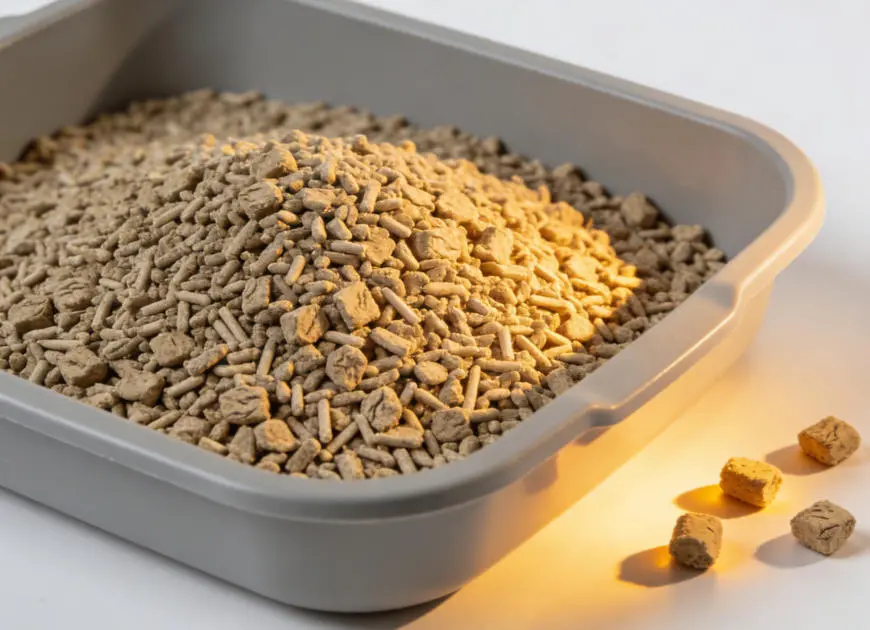
Traditional Clay Litter Environmental Concerns
Clay-based cat litter, while popular, has significant environmental drawbacks:
Mining Impact:
- Clay is strip-mined, causing habitat destruction
- Mining operations disrupt ecosystems
- Non-renewable resource
- Energy-intensive extraction process
- Landscape scarring and soil erosion
Disposal Issues:
- Not biodegradable
- Takes up significant landfill space
- Millions of tons disposed annually
- Cannot be composted
- Heavy weight increases transportation emissions
Eco-Friendly Cat Litter Alternatives
Several natural options offer more sustainable choices when you choose cat litter:
Plant-Based Litters:
Corn Litter:
- Renewable resource
- Biodegradable and compostable
- Flushable (check local regulations)
- Lower carbon footprint
- Concern: Agricultural land use
Wheat Litter:
- Renewable and biodegradable
- Natural enzyme action
- Compostable
- Sustainable farming practices available
Pine Litter:
- Made from sawdust byproduct
- Utilizes waste material
- Biodegradable
- Renewable resource
- Natural scent
Grass Seed Litter:
- Fast-growing renewable resource
- Biodegradable
- Low water requirements for growing
- Minimal processing needed
Walnut Shell Litter:
- Uses agricultural byproduct
- Biodegradable
- Renewable resource
- Reduces waste
Recycled Paper Litter:
- Diverts paper from landfills
- Biodegradable
- Low environmental impact
- Minimal processing
- Reduces tree harvesting
Disposal Methods and Environmental Impact
Landfill Disposal:
- Most common method
- Clay litter persists indefinitely
- Biodegradable litters break down slowly in landfills
- Takes up significant space
Composting:
- Only for plant-based, biodegradable litters
- Never compost cat waste (toxoplasmosis risk)
- Can compost unused litter
- Some litters suitable for non-edible plant composting
- Check local regulations
Flushing:
- Convenient but controversial
- Only certain litters are truly flushable
- Concerns about toxoplasmosis in water systems
- May not be legal in all areas
- Septic system considerations
- Water treatment plant impact
Carbon Footprint Considerations
When you choose cat litter, consider the full lifecycle carbon footprint:
Production:
- Mining and processing energy
- Agricultural inputs for plant-based litters
- Manufacturing processes
- Packaging materials
Transportation:
- Weight affects shipping emissions
- Distance from production to consumer
- Lightweight litters have lower transport impact
- Local products reduce carbon footprint
Usage:
- How much litter is used
- Frequency of changes
- Longevity of product
Disposal:
- Landfill space and decomposition
- Transportation to disposal site
- Methane production (for biodegradable litters in landfills)
Packaging Considerations
The packaging of cat litter also impacts environmental footprint:
- Plastic bags: Most common, not recyclable when contaminated
- Paper bags: More eco-friendly, recyclable
- Cardboard boxes: Recyclable, but may use more material
- Bulk options: Reduce packaging waste
- Recycled packaging: Lower environmental impact
Making an Eco-Friendly Choice
To choose cat litter with minimal environmental impact:
- Prioritize renewable resources: Plant-based litters from sustainable sources
- Choose biodegradable options: Break down naturally
- Consider byproduct litters: Pine sawdust, walnut shells, recycled paper
- Look for minimal packaging: Or recyclable packaging materials
- Buy local when possible: Reduces transportation emissions
- Choose efficient litters: Longer-lasting products mean less waste
- Dispose responsibly: Follow local guidelines
- Consider composting: For appropriate litter types
Balancing Eco-Friendliness with Practicality
While environmental impact is important, you also need cat litter that works effectively:
- Eco-friendly doesn’t mean compromising on odor control
- Many natural litters perform as well as clay
- Your cat must accept the litter
- Consider your budget and availability
- Gradual transitions help cats adapt to eco-friendly options
The most sustainable choice is one that you’ll use consistently and that keeps your cat happy and healthy.
Budget and Cost Analysis
Cost is a practical consideration when you choose cat litter. Understanding the true cost involves looking beyond the price tag to consider longevity, effectiveness, and overall value.
Initial Cost vs. Long-Term Value
The cheapest cat litter per bag isn’t always the most economical choice:
Factors Affecting True Cost:
- How long a bag lasts
- Frequency of complete litter changes
- Amount needed per change
- Effectiveness (poor performance means more frequent changes)
- Number of cats in household
Cost Comparison by Type
Traditional Non-Clumping Clay
Initial Cost: $5-10 for 25 lbs
Longevity: 1-2 weeks for one cat
Monthly Cost: $10-20
Best for: Tight budgets, multiple litter boxes
Clumping Clay Litter
Initial Cost: $10-20 for 20-40 lbs
Longevity: 3-4 weeks for one cat
Monthly Cost: $12-25
Best for: Balance of cost and convenience
Crystal/Silica Gel Litter
Initial Cost: $15-30 for 8-15 lbs
Longevity: 3-4 weeks for one cat
Monthly Cost: $15-30
Best for: Low maintenance, odor control priority
Natural/Plant-Based Litters
Initial Cost: $12-25 for 15-20 lbs
Longevity: 2-4 weeks for one cat
Monthly Cost: $15-35
Best for: Eco-conscious owners, specific health needs
Paper-Based Litter
Initial Cost: $15-25 for 10-15 lbs
Longevity: 1-2 weeks for one cat
Monthly Cost: $25-40
Best for: Sensitive cats, post-surgery recovery
Hidden Costs to Consider
When you choose cat litter, factor in these additional expenses:
Litter Box Liners:
- $5-15 per month
- Optional but can make cleaning easier
- Not necessary with all litter types
Litter Mats:
- One-time cost: $10-30
- Reduces tracking and waste
- Can extend litter life
Scoops and Tools:
- One-time cost: $5-20
- Quality scoops last longer
- Necessary for clumping litter
Disposal Bags:
- $5-10 per month
- Needed for waste disposal
- Biodegradable options cost more
Deodorizers:
- $5-15 per month (optional)
- May be unnecessary with good litter
- Can extend time between changes
Cost-Saving Strategies
Ways to reduce cat litter expenses without sacrificing quality:
1. Buy in Bulk
- Larger bags offer better per-pound pricing
- Stock up during sales
- Warehouse stores often have best prices
- Ensure proper storage to maintain freshness
2. Subscribe and Save
- Online retailers offer subscription discounts (5-15% off)
- Automatic delivery ensures you never run out
- Can adjust frequency as needed
- Free shipping often included
3. Use Coupons and Rewards
- Manufacturer coupons
- Store loyalty programs
- Cashback apps
- Pet store rewards programs
4. Optimize Usage
- Use recommended depth (not more)
- Scoop daily to extend litter life
- Use litter mats to reduce waste
- Proper litter box size prevents overflow
5. Choose Efficient Litters
- High-quality clumping litter lasts longer
- Better odor control means fewer changes
- Lightweight options reduce shipping costs
6. Multi-Cat Discounts
- Some brands offer multi-cat formulations
- Buying larger quantities for multiple cats
- Consider bulk options
When to Splurge vs. Save
Worth Spending More On:
- Cats with health issues: Specialized litter can prevent problems
- Odor control: In small living spaces
- Dust-free options: For respiratory health
- Multi-cat households: Better litter means less frequent changes
- Your convenience: Time saved is valuable
Where You Can Save:
- Single cat households: Basic clumping clay works well
- Cats without special needs: Mid-range options sufficient
- Good ventilation: Don’t need premium odor control
- Diligent maintenance: Regular cleaning extends any litter
Calculating Your Monthly Budget
To determine your cat litter budget:
- Track current usage: How long does a bag last?
- Calculate monthly consumption: Bags per month × cost per bag
- Add accessories: Liners, bags, deodorizers
- Factor in sales: Average discount opportunities
- Consider time value: Convenience vs. cost savings
Sample Budget (Single Cat):
- Clumping clay litter: $15-20/month
- Disposal bags: $5/month
- Litter mat (amortized): $2/month
- Total: $22-27/month
Sample Budget (Multiple Cats):
- Premium clumping litter: $40-50/month
- Disposal bags: $10/month
- Deodorizer: $8/month
- Accessories (amortized): $5/month
- Total: $63-73/month
Value Assessment
When you choose cat litter, consider value beyond just price:
High-Value Indicators:
- Lasts longer than cheaper alternatives
- Superior odor control
- Less tracking (saves on cleaning)
- Your cat consistently uses it
- Easier maintenance (time savings)
- Health benefits (fewer vet visits)
Poor Value Indicators:
- Requires frequent complete changes
- Poor odor control necessitates deodorizers
- Excessive tracking wastes litter
- Cat avoids litter box
- Causes health issues
The best value cat litter balances cost with performance, keeping both your budget and your cat happy.
Special Situations and Needs
Certain circumstances require special consideration when you choose cat litter. Understanding these unique situations helps you make the best choice for your specific needs.
Multi-Cat Households
Multiple cats present unique challenges for litter selection:
Key Considerations:
- Odor control: More cats = more waste = stronger odors
- Absorption capacity: Needs to handle higher volume
- Clumping strength: Must form solid clumps with frequent use
- Longevity: Should last despite heavy traffic
- Different preferences: May need multiple litter types
Best Choices:
- Multi-cat formulation clumping clay
- Crystal litter (excellent odor control)
- Premium natural clumping litters
- Extra-strength odor control varieties
Setup Recommendations:
- One box per cat plus one extra
- Place boxes in different locations
- Consider different litter types in different boxes
- Scoop at least twice daily
- Use larger litter boxes
Small Living Spaces
Apartments and small homes require extra attention to odor control:
Priority Features:
- Superior odor control
- Low dust (air quality in confined space)
- Minimal tracking
- Compact packaging for storage
Recommended Options:
- Crystal litter (best odor control)
- Premium clumping clay with odor control
- Natural litters with enzyme action
- Lightweight formulations (easier to store)
Additional Tips:
- Use covered litter boxes
- Place boxes in well-ventilated areas
- Scoop multiple times daily
- Consider air purifiers near litter boxes
- Use litter box deodorizers
Outdoor/Indoor-Outdoor Cats
Cats with outdoor access have different litter needs:
Considerations:
- May use litter box less frequently
- Might track outdoor debris into litter
- Need familiar texture to encourage indoor use
- Odor control still important
Best Choices:
- Natural texture similar to soil
- Fine-grained clumping litter
- Unscented options
- Easy-to-maintain varieties
Traveling with Cats
When traveling, you need portable litter solutions:
Travel-Friendly Options:
- Lightweight litters (grass seed, paper)
- Disposable litter boxes with built-in litter
- Small bags of familiar litter
- Crystal litter (lightweight, long-lasting)
Travel Tips:
- Bring familiar litter to reduce stress
- Pack in sealed containers
- Bring portable litter box
- Research disposal options at destination
Cats with Disabilities
Special needs cats require adapted litter solutions:
Blind or Vision-Impaired Cats:
- Consistent litter type and location
- Distinct texture for easy identification
- Unscented (rely more on smell)
- Low-sided boxes for easy access
Mobility-Impaired Cats:
- Soft, comfortable litter
- Shallow depth (easier to move through)
- Low-entry litter boxes
- Paper or soft natural litters
Deaf Cats:
- Quiet litter (won’t startle with vibrations)
- Avoid crystal litter (can be noisy)
- Fine-grained options
Pregnant Cats
Expectant mother cats need special consideration:
Requirements:
- Extra-clean litter boxes
- Dust-free options
- Unscented varieties
- Easy-to-access boxes
- Non-toxic if ingested
Best Choices:
- Paper-based litter
- Unscented clumping clay
- Natural plant-based options
Feral or Newly Adopted Cats
Cats new to indoor living need familiar textures:
Transition Strategy:
- Start with soil-like texture
- Fine-grained unscented litter
- Gradually transition to preferred type
- Multiple boxes in quiet locations
- Patience during adjustment period
Recommended Litters:
- Fine-grained clay (similar to soil)
- Unscented options
- Natural earth-toned litters
Cats in Breeding Programs
Breeders have specific litter requirements:
Considerations:
- Safe for kittens
- Easy to clean frequently
- Non-toxic if ingested
- Cost-effective for multiple boxes
- Low dust for respiratory health
Best Options:
- Non-clumping clay for kittens
- Paper-based litter
- Transition to clumping as kittens mature
Seasonal Considerations
Summer/Hot Weather:
- Odors intensify in heat
- Need stronger odor control
- More frequent changes required
- Crystal litter performs well
- Ensure good ventilation
Winter/Cold Weather:
- Litter may freeze if near cold areas
- Cats may prefer warmer litter
- Indoor air is drier (dust concerns)
- Static electricity with some litters
Temporary Situations
Post-Surgery Recovery:
- Paper-based litter (won’t stick to incisions)
- Dust-free options
- Soft, comfortable texture
- Shallow litter depth
- Extra-clean maintenance
Medication Period:
- Light-colored litter (monitor urine/feces)
- Highly absorbent
- Easy to clean
- Unscented (medication may affect smell sensitivity)
Introducing New Pets:
- Maintain familiar litter during transition
- Additional litter boxes
- Separate boxes for new pets initially
- Gradual introduction to household litter
Understanding these special situations helps you choose cat litter that addresses unique needs and circumstances, ensuring your cat’s comfort and your peace of mind.
Testing and Transitioning to New Cat Litter
Once you’ve decided to choose cat litter different from what you’re currently using, proper testing and transitioning are crucial for success. Abrupt changes can lead to litter box avoidance and accidents.
The Gradual Transition Method
The safest way to introduce new cat litter is gradually over 7-10 days:
Week 1 Transition Schedule:
Days 1-2:
- Mix 25% new litter with 75% old litter
- Monitor your cat’s reaction
- Watch for any hesitation or avoidance
Days 3-4:
- Increase to 50% new litter, 50% old litter
- Continue monitoring behavior
- Ensure cat is using box normally
Days 5-6:
- Mix 75% new litter with 25% old litter
- Watch for any signs of stress
- Maintain clean litter box
Days 7-10:
- Transition to 100% new litter
- Keep old litter on hand just in case
- Monitor for several days
The Side-by-Side Testing Method
For cats who are particularly sensitive, try this approach:
- Set up two identical litter boxes next to each other
- Fill one with current litter, one with new litter
- Let your cat choose which they prefer
- Track usage over 1-2 weeks
- Gradually transition if cat accepts new litter
This method works well when you choose cat litter that’s significantly different in texture or type from your current option.
Signs of Successful Transition
Your cat has accepted the new litter if they:
- Use the litter box consistently
- Dig and cover waste normally
- Show no signs of stress or hesitation
- Maintain regular bathroom habits
- Don’t have accidents outside the box
- Spend appropriate time in the box
Warning Signs of Rejection
Stop the transition if you notice:
- Litter box avoidance: Cat stops using the box
- Accidents: Elimination outside the box
- Perching: Standing on box edges to avoid litter
- Excessive digging: Trying to find comfortable spot
- Vocal complaints: Meowing before/after box use
- Quick visits: Rushing in and out
- Incomplete covering: Not burying waste
If you see these signs, slow down the transition or return to the previous litter.
Troubleshooting Transition Problems
Problem: Cat Won’t Use New Litter
Solutions:
- Slow down the transition process
- Try mixing smaller amounts initially
- Ensure litter depth is appropriate
- Keep litter box extra clean during transition
- Consider a different new litter option
Problem: Accidents During Transition
Solutions:
- Return to previous litter temporarily
- Add an extra litter box with old litter
- Clean accident areas thoroughly
- Restart transition more slowly
- Consult veterinarian to rule out medical issues
Problem: Cat Uses Box But Seems Uncomfortable
Solutions:
- Adjust litter depth
- Try different mixing ratios
- Ensure box is in quiet, accessible location
- Consider texture might be issue
- May need to try different litter type
Testing Multiple Litter Options
If you’re unsure which litter to choose, test several:
Multi-Box Testing Method:
- Set up 3-4 identical boxes in same area
- Fill each with different litter type
- Track which boxes your cat uses most
- Monitor for 2 weeks to establish pattern
- Choose the preferred litter based on usage
This method helps you choose cat litter based on your cat’s actual preferences rather than trial and error.
Special Transition Considerations
For Kittens:
- Transition from non-clumping to clumping at 3-4 months
- Go very slowly (2-3 weeks)
- Monitor for ingestion
- Keep texture similar initially
For Senior Cats:
- Be extra patient (may take longer)
- Consider arthritis when choosing new litter
- Maintain familiar texture if possible
- Ensure easy box access
For Multiple Cats:
- Some cats may adapt faster than others
- May need to maintain both litters longer
- Use multiple boxes during transition
- Monitor each cat individually
For Anxious Cats:
- Extend transition period (3-4 weeks)
- Make no other changes during transition
- Provide extra reassurance
- Consider calming aids if needed
- Keep routine consistent
When to Abandon a Transition
Sometimes a new litter just won’t work. Return to previous litter if:
- Cat consistently refuses new litter after 2-3 weeks
- Accidents continue despite slow transition
- Cat shows signs of stress or anxiety
- Health issues develop (respiratory, digestive)
- Multiple attempts have failed
It’s better to stick with litter your cat accepts than force a change that causes problems.
Maintaining Success After Transition
Once you’ve successfully transitioned to new litter:
- Stay consistent: Don’t switch brands frequently
- Buy in bulk: Ensure you don’t run out
- Store properly: Keep litter fresh and dry
- Maintain routine: Consistent cleaning schedule
- Monitor ongoing: Watch for any changes in behavior
- Keep backup: Have extra bag on hand
Emergency Litter Substitutes
If you run out of litter during transition, temporary substitutes include:
- Sand: Natural texture, but poor odor control
- Shredded newspaper: Absorbent but messy
- Sawdust: Absorbs well, natural scent
- Soil: Familiar texture, outdoor cats may prefer
Important: These are temporary solutions only. Return to proper cat litter as soon as possible.
Successfully transitioning to new cat litter requires patience and attention to your cat’s signals. Take your time, and don’t hesitate to slow down or restart if needed.
Litter Box Maintenance Tips
Even when you choose cat litter perfectly, proper maintenance is essential for effectiveness. Good litter box hygiene keeps odors controlled, your cat happy, and your home clean.
Daily Maintenance Routine
Scooping Schedule:
- Minimum: Once daily
- Recommended: Twice daily (morning and evening)
- Multi-cat homes: 2-3 times daily
- Best practice: Scoop whenever you notice waste
Daily Checklist:
- Remove all clumps and solid waste
- Check litter depth and add fresh litter if needed
- Wipe box edges and rim
- Check for any unusual odors or appearance
- Sweep or vacuum around litter box
- Empty litter mat if using one
Weekly Maintenance
Deep Cleaning Tasks:
- Completely empty litter box
- Wash box with mild soap and warm water
- Rinse thoroughly (soap residue can deter cats)
- Dry completely before refilling
- Replace litter box liner if using
- Wash litter mat
- Clean litter scoop
- Wipe down surrounding area
Inspection Points:
- Check for cracks or damage in box
- Inspect for lingering odors
- Ensure box is still appropriate size
- Verify litter depth is correct
Monthly Maintenance
Complete Litter Change:
Even with clumping litter, complete changes are necessary:
- Clumping litter: Every 2-4 weeks
- Non-clumping litter: Weekly
- Crystal litter: Every 3-4 weeks
- Natural litters: Every 2-3 weeks
Deep Cleaning Process:
- Empty all litter completely
- Wash box with enzymatic cleaner
- Scrub all surfaces thoroughly
- Rinse multiple times
- Dry completely (sun-dry if possible)
- Inspect for wear and damage
- Replace box if needed (every 6-12 months)
- Refill with fresh litter
Proper Scooping Technique
Effective scooping extends litter life and maintains cleanliness:
Best Practices:
- Use a quality metal scoop with appropriate slot size
- Sift through entire box, not just visible waste
- Shake scoop gently to separate clean litter
- Check corners and edges carefully
- Remove all clumps completely
- Add fresh litter to replace removed amount
- Level litter surface after scooping
Common Scooping Mistakes:
- Only removing visible waste
- Breaking apart clumps
- Not scooping deep enough
- Forgetting corners and edges
- Not replacing removed litter
- Using damaged or inappropriate scoop
Odor Control Strategies
Beyond choosing good cat litter, these strategies help control odors:
Prevention:
- Scoop frequently (most important factor)
- Use adequate litter depth (2-3 inches)
- Ensure good ventilation
- Place box away from heat sources
- Use appropriate box size
- Maintain proper cat-to-box ratio
Enhancement:
- Baking soda layer under litter
- Litter box deodorizers (use sparingly)
- Air purifiers near litter area
- Activated charcoal filters
- Regular deep cleaning
What to Avoid:
- Strong artificial fragrances
- Covering odors instead of removing source
- Neglecting regular cleaning
- Using too little litter
- Placing box in poorly ventilated area
Litter Box Placement and Setup
Ideal Location:
- Quiet, low-traffic area
- Easy access for cat
- Away from food and water
- Good ventilation
- Private but not isolated
- Multiple locations for multiple boxes
Setup Tips:
- Use litter mat to catch tracking
- Ensure adequate lighting
- Keep area clean and uncluttered
- Provide easy entry/exit
- Consider covered vs. uncovered based on cat preference
Tracking Prevention
Reduce litter spread throughout your home:
Litter Box Solutions:
- High-sided litter boxes
- Top-entry boxes
- Litter boxes with built-in tracking reduction
- Appropriate litter depth (not too deep)
Litter Choice:
- Larger, heavier granules
- Low-tracking formulations
- Pellet-style litters
Accessories:
- Quality litter mats (textured surface)
- Double-layer mats
- Mats large enough to catch scatter
- Regular mat cleaning
Waste Disposal Best Practices
Daily Waste:
- Use dedicated waste container with lid
- Line with plastic bags
- Empty regularly (don’t let accumulate)
- Seal bags before disposal
- Follow local regulations
Complete Litter Changes:
- Use heavy-duty trash bags
- Tie securely to prevent spills
- Dispose in outdoor trash immediately
- Never flush clay litter
- Check if litter is compostable (and safe to compost)
Environmental Considerations:
- Use biodegradable waste bags when possible
- Compost appropriate litters (not waste)
- Follow local composting guidelines
- Consider flushable litters (check regulations)
Seasonal Maintenance Adjustments
Summer:
- More frequent scooping (heat intensifies odors)
- Increase ventilation
- More frequent complete changes
- Watch for insect attraction
- Keep litter area cool
Winter:
- Prevent litter from freezing (if near cold areas)
- Address static electricity issues
- Maintain humidity levels
- Ensure adequate ventilation despite closed windows
Troubleshooting Common Issues
Persistent Odors:
- Increase scooping frequency
- Try different litter with better odor control
- Deep clean box more often
- Replace old litter box
- Check for health issues in cat
Excessive Tracking:
- Switch to low-tracking litter
- Use larger/better litter mat
- Try different box style
- Reduce litter depth slightly
- Trim long fur around paws
Litter Box Avoidance:
- Ensure box is clean enough
- Check litter depth
- Verify litter type hasn’t changed
- Rule out medical issues
- Assess box location and accessibility
Proper maintenance is just as important as choosing the right cat litter. A consistent cleaning routine keeps your cat happy and your home fresh.
tter mats
- Reduce litter depth slightly
- Consider high-sided or top-entry box
Cat Avoiding Litter Box:
- Ensure box is clean
- Check litter depth and type
- Verify box location is appropriate
- Rule out medical issues with vet visit
- Add more boxes if needed
Proper maintenance is just as important as choosing the right cat litter. A consistent cleaning routine ensures your litter performs optimally and keeps both you and your cat satisfied.
Common Mistakes to Avoid When Choosing Cat Litter
Even experienced cat owners can make mistakes when they choose cat litter. Avoiding these common pitfalls will help you find the perfect solution faster.
Mistake 1: Choosing Based on Price Alone
The Problem: Buying the cheapest cat litter often leads to poor performance, requiring more frequent changes and ultimately costing more.
The Solution: Consider value over price. Calculate cost per week based on how long the litter lasts, not just the bag price. Mid-range options often provide the best balance of performance and affordability.
Mistake 2: Ignoring Your Cat’s Preferences
The Problem: Choosing litter based solely on your preferences (scent, convenience) without considering what your cat likes can lead to litter box avoidance.
The Solution: Watch your cat’s behavior carefully. If they show signs of discomfort or avoidance, try a different texture or type. Your cat’s acceptance is the most important factor.
Mistake 3: Switching Litters Too Abruptly
The Problem: Sudden changes in cat litter can stress cats and cause them to avoid the litter box entirely.
The Solution: Always transition gradually over 7-10 days, mixing increasing amounts of new litter with the old. This gives your cat time to adjust.
Mistake 4: Using Scented Litter Without Testing
The Problem: Many cats are sensitive to artificial fragrances and will avoid strongly scented litter, even if humans find the scent pleasant.
The Solution: Start with unscented litter. If you must use scented options, choose lightly scented natural varieties and monitor your cat’s reaction closely.
Mistake 5: Not Using Enough Litter
The Problem: Too-shallow litter (less than 2 inches) doesn’t absorb properly, allows odors to escape, and prevents cats from digging and covering waste naturally.
The Solution: Maintain 2-3 inches of litter depth for most cats. Adjust based on your cat’s digging habits and preferences.
Mistake 6: Choosing Clumping Litter for Young Kittens
The Problem: Kittens under 3-4 months may ingest clumping litter while learning to use the box, potentially causing intestinal blockages.
The Solution: Use non-clumping litter for young kittens. Transition to clumping litter once they’re older and no longer exploring with their mouths.
Mistake 7: Not Considering Dust Levels
The Problem: Dusty litter can cause respiratory issues for both cats and humans, especially those with asthma or allergies.
The Solution: Choose low-dust or dust-free formulations, particularly if anyone in your household has respiratory sensitivities. The small price increase is worth the health benefits.
Mistake 8: Overlooking Litter Box Size and Number
The Problem: Even the best cat litter won’t work well if the litter box is too small or if you don’t have enough boxes for multiple cats.
The Solution: Use boxes that are 1.5 times your cat’s length. Follow the rule of one box per cat plus one extra. The right setup is as important as the right litter.
Mistake 9: Neglecting to Read Reviews and Research
The Problem: Buying litter based on packaging claims alone without researching actual user experiences can lead to disappointment.
The Solution: Read reviews from multiple sources, paying attention to comments from cat owners with similar situations (multi-cat households, small apartments, etc.). Look for patterns in feedback.
Mistake 10: Not Factoring in Your Lifestyle
The Problem: Choosing litter that doesn’t fit your maintenance schedule or physical capabilities leads to inconsistent care.
The Solution: Be honest about how much time you can dedicate to litter box maintenance. If you travel frequently, choose long-lasting options. If you have physical limitations, select lightweight litters.
Mistake 11: Mixing Incompatible Litter Types
The Problem: Combining certain litter types (like clay and crystal) can reduce the effectiveness of both and create an unpleasant texture.
The Solution: When mixing litters, stick to similar types (two different clumping clays, for example). Or use different litters in separate boxes rather than mixing them.
Mistake 12: Ignoring Environmental Impact
The Problem: Not considering the environmental footprint of your cat litter choice contributes to unnecessary waste and resource depletion.
The Solution: If environmental impact matters to you, research eco-friendly options. Many natural litters perform as well as traditional clay while being more sustainable.
Mistake 13: Not Adjusting for Life Changes
The Problem: Continuing to use the same litter when circumstances change (new cat, moving to smaller space, cat aging) can create problems.
The Solution: Reassess your cat litter choice when major changes occur. Senior cats may need softer litter, while adding a second cat might require stronger odor control.
Mistake 14: Buying Too Much of Untested Litter
The Problem: Purchasing bulk quantities of a new litter before testing it can leave you stuck with a large supply your cat refuses to use.
The Solution: Always buy a small bag first to test. Once you confirm your cat accepts it and it meets your needs, then stock up on larger quantities.
Mistake 15: Forgetting About Storage
The Problem: Improper storage can cause litter to absorb moisture, develop odors, or attract pests, reducing its effectiveness.
The Solution: Store litter in a cool, dry place in sealed containers. Keep it away from moisture and strong odors. Check expiration dates on natural litters.
Avoiding these common mistakes will help you choose cat litter more effectively and maintain a cleaner, more pleasant environment for both you and your feline companion.
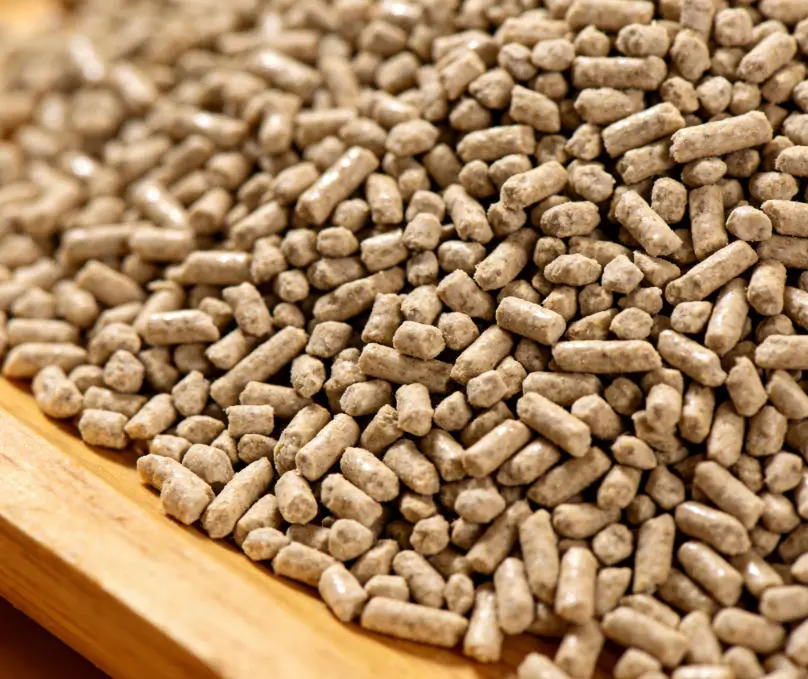
Expert Recommendations for Choosing Cat Litter
Based on extensive research and feedback from veterinarians, cat behaviorists, and experienced cat owners, here are expert recommendations for different situations when you choose cat litter.
Best Overall Choice for Most Cats
Recommendation: Unscented clumping clay litter
Why: This type offers the best balance of performance, affordability, and cat acceptance. Most cats prefer the fine texture, it provides excellent odor control, and it’s easy to maintain with daily scooping.
Best for: Single or multi-cat households, adult cats, budget-conscious owners who want reliable performance.
Best for Odor Control
Recommendation: Crystal/silica gel litter or premium multi-cat clumping clay
Why: Crystal litter absorbs moisture instantly and locks in odors exceptionally well. Multi-cat clumping formulations include extra odor-fighting ingredients specifically designed for high-traffic boxes.
Best for: Small apartments, multi-cat households, owners who can’t scoop multiple times daily.
Best for Environmental Consciousness
Recommendation: Corn, wheat, or grass seed litter
Why: These plant-based options are renewable, biodegradable, and often flushable. They perform comparably to clay while having a much smaller environmental footprint.
Best for: Eco-conscious owners, those seeking sustainable options, households wanting flushable litter.
Best for Kittens
Recommendation: Non-clumping clay or paper-based litter
Why: These options are safe if ingested during the learning phase. They’re gentle on tiny paws and don’t pose the intestinal blockage risk of clumping litters.
Best for: Kittens under 4 months old, cats with pica tendencies.
Best for Senior Cats
Recommendation: Paper-based or fine-grained unscented clumping litter
Why: Soft paper litter is gentle on arthritic paws, while fine-grained options are easy to dig in. Both are typically low-dust, important for older cats with potential respiratory sensitivities.
Best for: Cats over 10 years old, cats with arthritis or mobility issues, senior cats with respiratory conditions.
Best for Allergies and Asthma
Recommendation: Dust-free crystal litter or paper-based litter
Why: These options produce virtually no dust, reducing respiratory irritation. They’re also typically unscented, avoiding additional allergen triggers.
Best for: Cats or humans with asthma, allergies, or respiratory sensitivities.
Best for Low Maintenance
Recommendation: Crystal/silica gel litter
Why: Crystal litter can last up to a month for a single cat with just daily stirring and solid waste removal. No daily scooping of clumps required.
Best for: Busy professionals, frequent travelers, those who want minimal daily maintenance.
Best for Budget-Conscious Owners
Recommendation: Store-brand clumping clay litter
Why: Many store brands perform nearly as well as name brands at a fraction of the cost. Look for options with good reviews and test before committing to large quantities.
Best for: Tight budgets, multi-cat households needing large quantities, owners willing to scoop daily.
Best for Tracking Prevention
Recommendation: Large pellet pine litter or crystal litter
Why: Larger, heavier granules are less likely to stick to paws and get carried throughout the house. They stay in the box better than fine-grained options.
Best for: Homes with carpeting, owners tired of constant sweeping, cats who are vigorous diggers.
Best for Multi-Cat Households
Recommendation: Multi-cat formula clumping clay or premium natural clumping litter
Why: These formulations are specifically designed to handle higher waste volumes with superior odor control and stronger clumping action.
Best for: Households with 3+ cats, high-traffic litter boxes, owners prioritizing odor control.
Best for Post-Surgery Recovery
Recommendation: Paper-based pellet litter
Why: Soft, dust-free, and won’t stick to incisions or stitches. Veterinarians specifically recommend this for post-operative care.
Best for: Cats recovering from surgery, especially spay/neuter or declawing procedures.
Best for Automatic Litter Boxes
Recommendation: Clumping clay litter specifically approved for automatic boxes
Why: Automatic boxes require litter that forms tight, solid clumps that won’t break apart during the raking process. Check your automatic box manufacturer’s recommendations.
Best for: Owners using automatic/self-cleaning litter boxes.
Expert Tips for Success
Regardless of which cat litter you choose, experts recommend:
- Consistency: Once you find a litter that works, stick with it. Frequent changes stress cats.
- Adequate depth: Maintain 2-3 inches of litter for optimal performance.
- Daily maintenance: Scoop at least once daily, regardless of litter type.
- Multiple boxes: Follow the one-per-cat-plus-one rule.
- Proper placement: Location matters as much as litter type.
- Regular replacement: Change litter completely on schedule.
- Monitor health: Use litter box time to check for health issues.
- Stay flexible: Be willing to adjust as your cat ages or circumstances change.
When to Consult a Veterinarian
Seek professional advice if:
- Your cat suddenly stops using the litter box
- You notice blood in urine or feces
- Your cat strains to urinate or defecate
- Litter box habits change dramatically
- Your cat shows signs of pain when using the box
- You’re considering litter changes due to health issues
These expert recommendations provide a starting point, but remember that every cat is unique. The best cat litter is the one your cat will use consistently and that fits your lifestyle and budget.
Frequently Asked Questions About Choosing Cat Litter
Q1: How often should I completely change the cat litter?
A: It depends on the type. Clumping litter should be completely changed every 2-4 weeks, non-clumping weekly, crystal litter every 3-4 weeks, and natural litters every 2-3 weeks. However, daily scooping is essential for all types.
Q2: Can I flush cat litter down the toilet?
A: Only if the litter is specifically labeled as flushable (usually corn, wheat, or certain paper litters). Never flush clay litter as it can clog pipes. Even with flushable litter, check local regulations as some areas prohibit flushing cat waste due to toxoplasmosis concerns.
Q3: Why does my cat kick litter out of the box?
A: This is natural digging and covering behavior. Solutions include using a high-sided or top-entry litter box, placing a mat around the box, reducing litter depth slightly, or trying a different litter texture that’s less prone to scattering.
Q4: Is scented or unscented litter better?
A: Unscented is generally better. Cats have sensitive noses and many dislike artificial fragrances. Good quality unscented litter with proper odor control is more effective than masking odors with perfumes. If you must use scented litter, choose light, natural scents.
Q5: How much cat litter should I put in the box?
A: Maintain 2-3 inches of depth for most cats. This allows proper absorption and gives cats enough litter to dig and cover waste. Some cats prefer deeper litter (up to 4 inches), while senior cats may prefer shallower (1.5-2 inches).
Q6: Can I mix different types of cat litter?
A: It’s generally not recommended as it can reduce the effectiveness of both types. If you must mix, combine similar types (two different clumping clays) rather than incompatible types (clay and crystal). Better to use different litters in separate boxes.
Q7: Why is my cat suddenly avoiding the litter box?
A: Common reasons include: dirty litter box, recent litter change, medical issues (urinary tract infection, constipation), stress, litter box location problems, or not enough boxes for multiple cats. Rule out medical issues first with a vet visit.
Q8: Is clumping or non-clumping litter better?
A: Clumping litter is generally more convenient and economical for most cat owners. It’s easier to maintain, provides better odor control, and lasts longer. However, non-clumping is safer for young kittens and some cats with special needs.
Q9: How do I reduce litter tracking throughout my home?
A: Use a textured litter mat outside the box, choose larger-granule or pellet litter, use a high-sided or top-entry box, don’t overfill the box, and consider low-tracking litter formulations. Regular vacuuming around the litter area also helps.
Q10: Can cat litter cause health problems?
A: Dusty litter can cause respiratory issues in both cats and humans. Some cats may develop allergies to certain litter ingredients. Clumping litter can cause blockages if ingested by kittens. Choose low-dust, unscented options and monitor for any adverse reactions.
Q11: What’s the best cat litter for odor control?
A: Crystal/silica gel litter typically offers the best odor control, followed by premium multi-cat clumping clay formulations. However, daily scooping is more important than litter type for controlling odors.
Q12: How do I transition my cat to a new litter?
A: Gradually mix increasing amounts of new litter with the old over 7-10 days. Start with 25% new/75% old, then 50/50, then 75% new/25% old, finally 100% new. Monitor your cat’s behavior throughout the transition.
Q13: Is expensive cat litter worth it?
A: Not always. Price doesn’t always equal quality. However, premium litters often last longer, control odors better, and may be more cost-effective long-term. Consider value (performance per dollar) rather than just upfront cost.
Q14: Can I use cat litter for multiple cats?
A: Yes, but choose multi-cat formulations designed for higher waste volumes and stronger odor control. You’ll also need multiple litter boxes (one per cat plus one extra) and more frequent scooping (2-3 times daily).
Q15: What’s the most eco-friendly cat litter?
A: Plant-based litters (corn, wheat, grass seed, pine) are most eco-friendly. They’re made from renewable resources, biodegradable, and often compostable. Recycled paper litter is also a good sustainable choice.
Q16: Why does my cat eat litter?
A: This can indicate nutritional deficiencies, anemia, curiosity (in kittens), or behavioral issues. Consult your veterinarian to rule out medical causes. Switch to non-toxic litter like paper or corn if this behavior continues.
Q17: How many litter boxes do I need?
A: The rule is one box per cat plus one extra. So for one cat, have two boxes; for two cats, have three boxes. This ensures cats always have a clean option and reduces territorial issues.
Q18: Can I compost cat litter?
A: Only biodegradable litters (corn, wheat, paper, pine) can be composted, and never compost the waste itself due to toxoplasmosis and parasite risks. Composted litter should only be used for non-edible plants. Check local regulations first.
Q19: What causes litter box odor even after cleaning?
A: Odors can be absorbed into the plastic of old litter boxes. Replace boxes every 6-12 months. Also ensure you’re using enough litter, scooping daily, and completely changing litter on schedule. Consider enzymatic cleaners for deep cleaning.
Q20: Is crystal litter safe for cats?
A: Yes, silica gel crystal litter is non-toxic and safe for cats. However, some cats dislike the texture or noise it makes. It’s not recommended for kittens who might ingest it. Monitor your cat when first introducing crystal litter.
These answers address the most common questions about choosing and using cat litter. If you have specific concerns about your cat’s health or behavior, always consult with your veterinarian.
Final Thoughts on Choosing the Right Cat Litter
Choosing the right cat litter is a crucial decision that impacts your cat’s wellbeing, your home’s cleanliness, and your daily routine. As we’ve explored throughout this comprehensive guide, there’s no single “best” cat litter that works for everyone—the ideal choice depends on your unique situation, your cat’s preferences, and your priorities.
Key Takeaways
When you choose cat litter, remember these essential points:
Your Cat’s Acceptance is Paramount: The most expensive, highest-rated litter is worthless if your cat won’t use it. Pay attention to your cat’s signals and preferences. Their comfort and willingness to use the litter box consistently should be your top priority.
Balance Multiple Factors: Consider odor control, dust levels, tracking, absorption, texture, environmental impact, and cost together. The best choice balances these factors based on what matters most to you and your cat.
Maintenance Matters as Much as Litter Type: Even the best cat litter won’t perform well without proper maintenance. Daily scooping, regular complete changes, and good litter box hygiene are essential regardless of which litter you choose.
Be Patient with Transitions: If you’re switching litters, take your time. Gradual transitions over 7-10 days help cats adjust and prevent litter box avoidance issues.
Stay Flexible: Your cat’s needs may change over time. Be willing to reassess and adjust your litter choice as your cat ages, if you add more cats to your household, or when circumstances change.
Making Your Decision
To choose cat litter that works best for your situation:
- Assess your priorities: What matters most—odor control, environmental impact, budget, convenience?
- Consider your cat’s needs: Age, health conditions, preferences, and sensitivities.
- Evaluate your lifestyle: How much time can you dedicate to maintenance? Do you have physical limitations?
- Research options: Read reviews from cat owners in similar situations.
- Start with small quantities: Test before buying in bulk.
- Monitor and adjust: Watch your cat’s behavior and be willing to try alternatives if needed.
The Path Forward
Armed with the knowledge from this guide, you’re now equipped to make an informed decision about cat litter. Whether you choose traditional clumping clay, eco-friendly plant-based options, low-maintenance crystal litter, or any other type, you understand the factors that make each option suitable for different situations.
Remember that finding the perfect cat litter may take some experimentation. Don’t be discouraged if your first choice doesn’t work out perfectly. Many cat owners try several options before finding their ideal match. The time invested in finding the right litter pays off in a cleaner home, better odor control, and a happier cat.
Beyond the Litter
While choosing the right cat litter is important, it’s just one part of providing excellent care for your feline companion. Combine your litter choice with:
- Appropriate litter box size and number
- Strategic placement in quiet, accessible locations
- Consistent cleaning routines
- Regular health monitoring
- Attention to your cat’s changing needs
Your Next Steps
Now that you understand how to choose cat litter:
- Evaluate your current litter situation—is it working well or could it be improved?
- If making a change, identify 2-3 options that match your priorities
- Purchase small quantities to test
- Transition gradually if switching from current litter
- Monitor your cat’s response and your satisfaction
- Adjust as needed until you find the perfect fit
A Final Word
The relationship between you and your cat is built on trust, care, and attention to their needs. Choosing the right cat litter demonstrates your commitment to their comfort and wellbeing. While it may seem like a small detail in the grand scheme of pet ownership, the right litter choice contributes significantly to your cat’s quality of life and your enjoyment of sharing your home with them.
Every cat is unique, and what works perfectly for one may not suit another. Trust your observations, listen to your cat’s preferences, and don’t hesitate to make changes when needed. With patience and attention, you’ll find the cat litter solution that keeps your home fresh, your cat happy, and your daily routine manageable.
Thank you for taking the time to read this comprehensive guide on how to choose cat litter. We hope it has provided valuable insights and practical guidance to help you make the best decision for your feline friend. Here’s to cleaner litter boxes, happier cats, and more pleasant homes for all!
Ready to find the perfect cat litter for your feline friend? Explore our curated selection of top-rated cat litter products with detailed reviews, comparisons, and exclusive deals. From premium clumping clay to eco-friendly natural options, we’ve tested and reviewed the best cat litters available in 2026.
Browse our complete cat litter guide section for more helpful articles, tips, and expert advice on maintaining a clean, odor-free litter box and keeping your cat happy and healthy.