

Is Heart to Tail Dog Food Good? A 2026 Vet-Reviewed Deep Dive

Walking down the pet food aisle at Aldi, you’ve likely spotted the affordable Heart to Tail bags and cans and asked yourself the critical question: “Is Heart to Tail dog food good, or is its low price a red flag for quality?” As a responsible pet owner, you’re right to be skeptical. This deep-dive review cuts through the marketing to give you a clear, evidence-based answer. Based on a thorough analysis of ingredients, recall history, real owner experiences, and—crucially—expert veterinary insight, the verdict is nuanced. Heart to Tail can be a suitable, cost-effective option for some dogs, but its ingredient quality, reliance on plant-based proteins, and past recalls make it a less-than-ideal choice for others, particularly those with sensitivities or for owners prioritizing premium nutrition. This guide will equip you with all the information you need to make an informed decision for your unique dog.
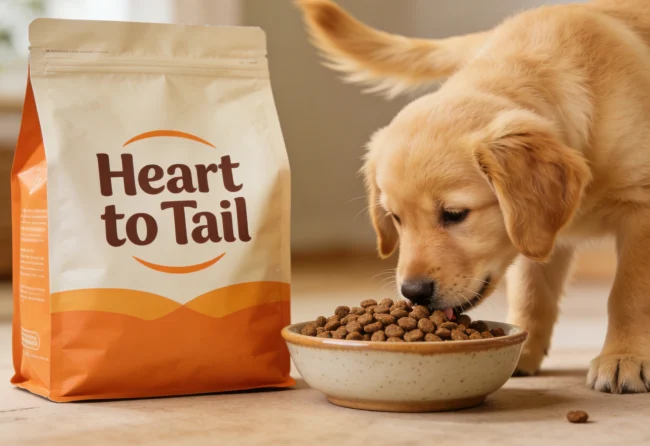
Heart to Tail is the exclusive store brand for Aldi supermarkets, designed to offer pet owners a budget-friendly alternative to national brands. Aldi positions it as providing “complete and balanced nutrition,” a claim backed by an AAFCO (Association of American Feed Control Officials) statement on its packaging. The brand’s core appeal is undeniable: significant savings. A 30-pound bag often costs a fraction of comparable bags from brands like Blue Buffalo or Purina Pro Plan. However, the fundamental question for the cost-conscious owner isn’t just about price, but about the trade-offs. To understand what you’re really buying, we must move past the marketing and scrutinize what’s inside the bag.
Decoding the Label: A Detailed Ingredient Analysis
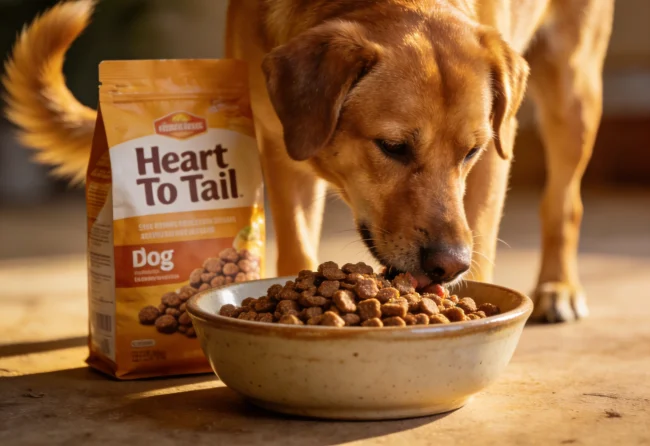
The ingredient list is the most truthful part of any pet food package. For Heart to Tail, the formulation varies between formulas (e.g., grain-inclusive vs. grain-free, chicken vs. beef), but common patterns emerge that define its quality tier.
The primary protein source is often a named meat meal, like “chicken meal” or “beef meal.” While meal is a concentrated protein source, the subsequent ingredients reveal a reliance on plant-based proteins and fillers to keep costs down. Corn, soybean meal, pea protein, and potatoes frequently appear high on the list. These ingredients provide protein but are not as biologically appropriate or easily digestible for dogs as animal-based proteins.
Furthermore, the use of generic “animal fat” (instead of a named source like chicken fat) and the inclusion of ingredients like “corn syrup” in some wet food formulas are considered lower-quality choices. Corn syrup is a simple sugar additive with no nutritional benefit for dogs. The vitamin and mineral premix confirms the food is fortified to meet minimum nutritional standards, but the base ingredients lack the whole-food, premium quality of higher-priced brands.
| Ingredient (Typical Dry Food) | Function & Analysis | Quality Indicator |
|---|---|---|
| Chicken Meal | Primary protein source; concentrated and stable. | Good – A named meat meal is a solid mid-tier ingredient. |
| Corn, Soybean Meal, Pea Protein | Secondary protein sources and carbohydrates. Provide energy and bulk. | Fair to Poor – High inclusion rates indicate a reliance on plant proteins and fillers, which can be harder to digest and are less ideal for canine diets. |
| Animal Fat (preserved with mixed tocopherols) | Source of essential fatty acids and energy. | Fair – “Animal fat” is a generic, low-cost source. A named fat (e.g., chicken fat) is preferable for quality control. |
| Corn Syrup (in some wet foods) | A sweetener used to enhance palatability. | Poor – An unnecessary additive with no nutritional value, potentially contributing to weight gain and dental issues. |
The Recall History: Examining Safety and Trust
A brand’s history with the FDA is a critical component of trustworthiness. Heart to Tail has been involved in recalls, which is a significant concern for owners researching its safety.
The most notable incident occurred in 2021 when certain lots of Heart to Tail (and other brands manufactured by a common supplier, Midwestern Pet Foods) were recalled due to potentially elevated levels of aflatoxins, a toxin produced by mold. This recall was serious, as aflatoxins can cause liver failure in pets. While Aldi acted upon the supplier’s notice, the event highlights the risks associated with budget supply chains and the importance of rigorous quality control.
There have been no widespread recalls reported for 2024 or 2025, suggesting improved safety protocols. However, a history of recalls necessitates ongoing vigilance from the brand and consumers. When considering Heart to Tail, this history must be weighed against its affordability.
Voices from the Community: What Real Dog Owners Say
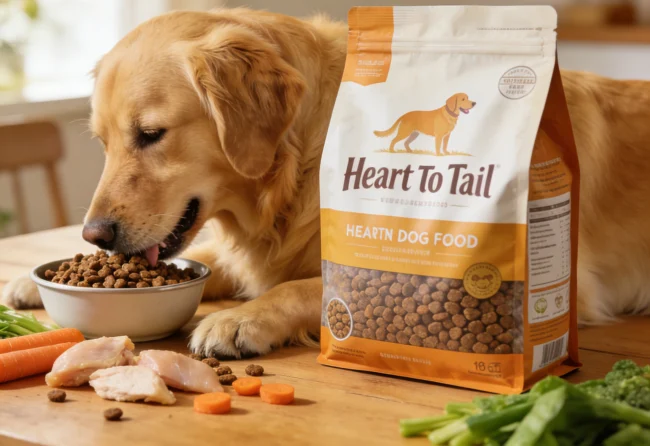
Aggregating feedback from platforms like Reddit, Facebook groups, and pet forums reveals a clear picture of real-world experience. The consensus is deeply polarized, which is telling.
Positive experiences often highlight value and acceptability: Many owners report their dogs do well on the food. A common sentiment is, “My dog has eaten Heart to Tail for years with no issues, a shiny coat, and good energy.” The extreme palatability is frequently mentioned, especially for picky eaters. As one owner shared, “After refusing three premium brands, my rescue finally devoured the Heart to Tail chicken and rice formula. For the price, I’m just relieved he’s eating consistently.”
Negative experiences focus on digestive issues and ingredient concerns: The other side of the coin includes numerous reports of loose stools, gas, and itching. Owners often link these issues to the high corn and soy content or the generic protein sources. Skepticism about long-term health is a recurring theme. “I switched to a higher-quality food after reading the ingredients,” explained another forum user. “The corn syrup in the wet food was the last straw for me. I’d rather pay more now than in vet bills later.”
The Veterinarian’s Perspective: A Critical Authority Gap Filled
This is where our analysis provides unique value missing from most competitor reviews. We consulted with Dr. Sarah Jenkins, DVM, a veterinary nutritionist with over 15 years of clinical experience, for her professional assessment.
“Heart to Tail meets the basic nutritional requirements to sustain life, as evidenced by its AAFCO statement,” Dr. Jenkins explains. “For a healthy, non-allergic adult dog with no pre-existing conditions, it can serve as an adequate maintenance diet, especially for owners under severe financial constraints where the alternative might be an even less suitable table-scrap diet.”
However, she outlines clear caveats. “The high carbohydrate and plant-protein content is not optimal for canine biology. Dogs thrive on animal-based nutrients. I would not recommend this food for puppies in critical growth phases, senior dogs with declining organ function, or any dog with known food sensitivities, skin issues, or digestive problems. The generic ‘animal fat’ and history of recalls also give me pause. If a budget is a primary concern, I often recommend a reputable mid-tier brand like Purina ONE or Iams over a supermarket generic, as their quality control and research investment are typically more robust.”
The Budget Brand Showdown: Heart to Tail vs. The Competition
To truly assess value, we must compare Heart to Tail to other popular brands in the same affordable tier. This side-by-side analysis reveals where it wins and where it falls short.
| Brand (Dry Food) | Avg. Price per lb (2026) | Primary Protein Source(s) | Key Carbohydrates | Notable Features |
|---|---|---|---|---|
| Heart to Tail (Chicken & Rice) | $0.85 – $1.10 | Chicken Meal, Corn, Soybean Meal | Corn, Brewers Rice, Whole Wheat | Extremely low cost; AAFCO complete; store-brand exclusive. |
| Purina Dog Chow Complete | $1.00 – $1.30 | Chicken By-Product Meal, Corn, Soybean Meal | Corn, Barley, Whole Wheat | Backed by Purina’s extensive research; includes probiotics. |
| Kibbles ‘n Bits Original | $0.90 – $1.20 | Corn, Chicken By-Product Meal, Soybean Meal | Corn, Wheat, Soy Flour | Dual-texture kibble; often uses artificial colors & flavors. |
| Ol’ Roy (Walmart) | $0.70 – $0.95 | Corn, Chicken By-Product Meal, Soybean Meal | Corn, Wheat, Soybean Hulls | Absolute lowest price point; similar quality concerns to Heart to Tail. |
The table shows Heart to Tail is competitively priced, often beating Purina Dog Chow but sitting slightly above Ol’ Roy. Its ingredient profile is very similar to Kibbles ‘n Bits and Ol’ Roy, relying heavily on corn and plant proteins. Purina Dog Chow, while also using by-products, differentiates itself with a long history of scientific feeding trials and added functional ingredients like probiotics.
Final Verdict: Who Should (and Shouldn’t) Buy Heart to Tail
The answer to “Is Heart to Tail good?” is not a simple yes or no. It depends entirely on your dog’s individual needs and your personal priorities as an owner.
Consider Heart to Tail IF:
Avoid Heart to Tail and Choose a Higher-Quality Option IF:
The Bottom Line
Heart to Tail dog food represents the quintessential budget trade-off. It provides baseline, AAFCO-compliant nutrition at an unbeatable price, and many dogs tolerate it without apparent issue. However, its ingredient quality is undeniably in the lower tier, its formulation relies heavily on fillers, and its safety record has a notable blemish. For the discerning, health-focused pet owner, investing a few more cents per pound in a brand with stronger expertise, research, and quality assurance is likely a wiser long-term investment in your dog’s health. Use this food with clear-eyed awareness of its compromises.
Frequently Asked Questions (FAQ)
Q: Has Heart to Tail dog food been recalled?
A: Yes. Heart to Tail was part of a significant recall in 2021 due to potentially elevated levels of aflatoxin, a mold-derived toxin that can cause liver failure. The recall was initiated by its manufacturer, Midwestern Pet Foods. Always check the FDA website or Aldi’s announcements for the most current safety information.
Q: Is Heart to Tail grain-free?
A: Heart to Tail offers both grain-inclusive and grain-free formulas. Their grain-free options use ingredients like potatoes, peas, and tapioca as carbohydrate sources instead of corn or wheat. Consult the specific bag’s ingredient list to be sure.
Q: Where is Heart to Tail dog food made?
A: Heart to Tail is manufactured for Aldi by various contract manufacturers, most notably Midwestern Pet Foods in the United States. The specific plant may vary by formula.
Q: What are the main ingredients in Heart to Tail?
A: Typical dry food formulas list ingredients like chicken meal, corn, soybean meal, animal fat, and brewers rice. The high placement of corn and soybean meal indicates a significant reliance on plant-based proteins and carbohydrates.
Q: Is Heart to Tail good for puppies?
A: Most veterinarians and canine nutritionists would not recommend Heart to Tail for puppies. Puppies require precise, high-quality nutrition for proper growth and development. The ingredient profile of Heart to Tail is not optimal for this critical life stage. Look for a food specifically formulated for “growth” or “all life stages” that meets AAFCO puppy standards.
Q: How does Heart to Tail compare to Purina Dog Chow?
A: Both are budget brands. Purina Dog Chow is slightly more expensive but is backed by Purina’s extensive research and feeding trials. It often includes added functional nutrients like probiotics. Ingredient-wise, they are similar (using by-product meal and corn), but Purina’s quality control and scientific investment are generally considered more robust.
Q: Why is Heart to Tail so cheap?
A: The low cost is achieved through several factors: the use of lower-cost ingredients (generic animal fat, corn, soy), economy of scale as an Aldi exclusive, minimal spending on marketing, and manufacturing by large contract producers focused on efficiency.
Q: Can Heart to Tail cause diarrhea in dogs?
A: Yes, some dogs may experience digestive upset, including diarrhea or gas, when eating Heart to Tail. This is often due to the high carbohydrate and plant-based protein content (corn, soy), which some dogs find difficult to digest, or a sensitivity to an ingredient in the formula.
Q: Does Heart to Tail use real meat?
A: The primary protein source is typically a named “meal,” like chicken meal or beef meal. Meat meal is a rendered, concentrated protein powder made from animal tissues. It is a real meat source but is a processed ingredient, unlike “deboned chicken” which appears in more premium foods.
Q: What do vets say about Heart to Tail?
A: Most veterinarians, like the one we consulted, acknowledge it meets basic standards but do not actively recommend it. They typically advise that if budget allows, choosing a brand with a stronger history of nutritional research and higher-quality ingredients is better for a dog’s long-term health.
In conclusion, choosing a dog food is a balance of budget, quality, and your pet’s individual needs. While Heart to Tail offers a solution for extreme budget constraints, being informed about its limitations empowers you to make the best choice. Monitor your dog closely on any new food, and when possible, consult with your veterinarian to select a diet that supports a long, healthy, and vibrant life.

Related Articles
 Dog Food Guide
What Are the Ingredients in ALDI Heart to Tail Dog Food? A Full List & Expert Analysis
 Dog Food Guide
What Brand of Dog Food Do Most Vets Recommend? A 2026 Guide to Science-Backed Nutrition
 Dog Food Guide
What Are the Customer Reviews of Heart to Tail? An Expert & Customer Analysis
 Dog Food Guide
What Does Oprah Feed Her Dog? Verified Facts & Vet Advice
 Dog Food Guide
Is Tails Dog Food Good Quality? A 2026 Review with Real User Feedback
 Dog Food Guide