



What Is the Healthiest Wet Cat Food for Indoor Cats? A 2026 Vet-Backed Guide

Choosing the healthiest wet cat food for your indoor cat can feel overwhelming with endless options and conflicting advice. The core answer lies in a formula that aligns with a cat’s biology as an obligate carnivore, while specifically addressing the unique challenges of indoor life: lower activity levels, hairball management, and urinary health. Based on veterinary science and ingredient analysis, the healthiest wet food is one that is high in animal protein (over 10% on a dry matter basis), low in carbohydrates and fillers, rich in moisture, and includes targeted nutrients like fiber for hairballs or controlled calories for weight management. Brands like Tiki Cat After Dark, Weruva Cats in the Kitchen, and Hill’s Science Diet Indoor Adult consistently rank highly by meeting these rigorous criteria, offering balanced nutrition that supports a long, healthy life indoors.
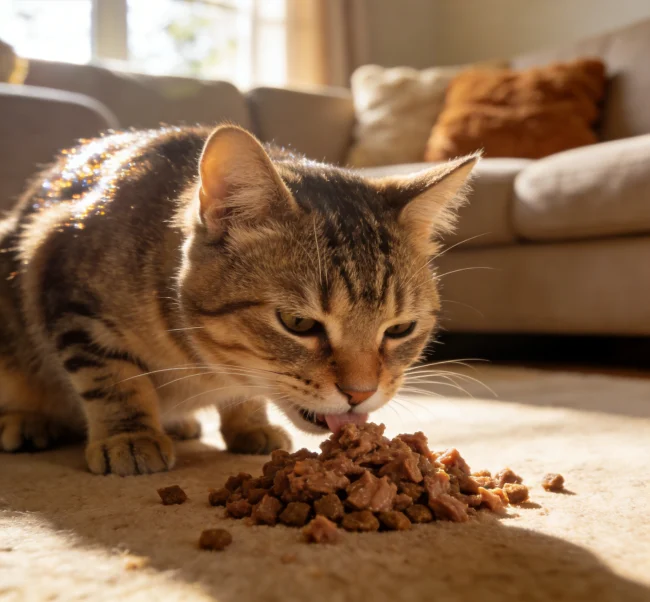
Indoor cats live a different life than their outdoor counterparts, which directly impacts their dietary requirements. Their environment is typically climate-controlled and safe, leading to significantly lower energy expenditure. This sedentary lifestyle makes them highly prone to weight gain and obesity, which is a gateway to diabetes, arthritis, and other serious health issues. Furthermore, indoor cats groom themselves frequently in a consistent environment, ingesting more loose hair and leading to a higher incidence of hairballs. Stress from boredom or multi-cat households can also affect digestive and urinary health. Therefore, the healthiest wet food isn’t just about premium ingredients; it’s about a formula engineered to prevent the most common indoor cat health problems through precise nutrient profiles and calorie control.
The Gold Standard: What Makes a Wet Food “Healthy”?

To cut through marketing claims, you need to evaluate food against non-negotiable benchmarks. First, look for a named animal protein source (like chicken, salmon, or duck) as the first ingredient, and ideally the second and third. Cats require essential amino acids like taurine, found only in animal tissue. Second, moisture content is critical; wet food should be about 78% water, promoting hydration and supporting kidney and urinary tract health—a major concern for indoor cats. Third, the formula must be low in carbohydrates and free from unnecessary fillers like corn, wheat, and soy, which contribute to empty calories and blood sugar spikes. Finally, check for an AAFCO (Association of American Feed Control Officials) statement on the label confirming the food is “complete and balanced” for your cat’s life stage.
Your Cat’s Profile: A Quick Guide to the Best Match

Instead of a one-size-fits-all list, use this simple decision guide to narrow your search based on your cat’s specific situation. Start by identifying your primary concern:
Top Contenders: Healthiest Wet Foods for Indoor Cats Reviewed
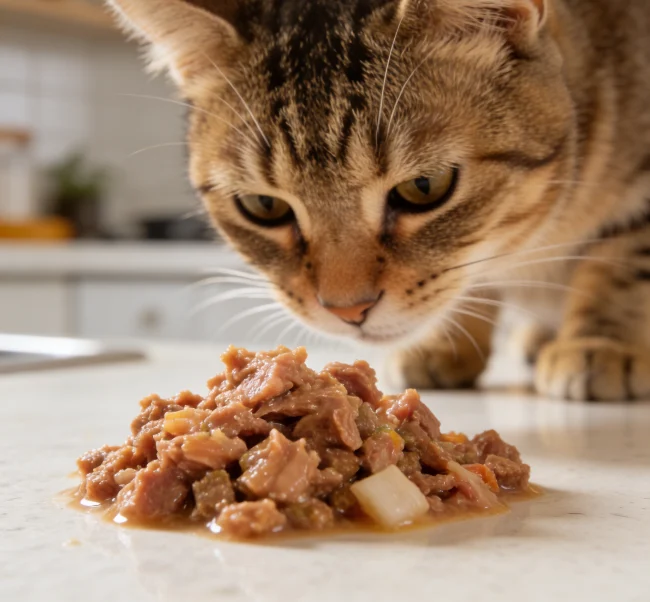
Here, we break down top-performing foods by category, providing a clear nutritional snapshot—a feature often missing from competitor reviews—to empower your decision.
Best for Weight Management: Hill’s Science Diet Adult Perfect Weight Chicken & Vegetable Entrée
This vet-recommended formula is backed by clinical research showing that 70% of cats lost weight within 10 weeks when fed this food as part of a weight management plan.
| Nutrient | Analysis (Dry Matter Basis) | Key Benefit |
|---|---|---|
| Protein | 41% | Maintains lean muscle during weight loss |
| Fat | 11% | Lower fat content for calorie control |
| Fiber | 12% | Promotes satiety and healthy digestion |
| Calories | ~31 kcal/oz | Controlled calorie density |
Cost-Per-Day Estimate: Approximately $1.20 – $1.80 per day for an average 10lb cat.
Best for Hairball Control: Blue Buffalo Wilderness Indoor Hairball Control Chicken Recipe
This grain-free recipe uses a blend of cellulose and psyllium seed husk—natural fibers—to help reduce hairballs, combined with high-protein chicken to satisfy a cat’s carnivorous cravings.
| Nutrient | Analysis (Dry Matter Basis) | Key Benefit |
|---|---|---|
| Protein | 50% | High animal protein supports metabolism |
| Fat | 22% | Provides essential fatty acids for skin & coat |
| Fiber | 8% | Specific hairball control fiber blend |
Best Premium (High-Protein, Low-Carb): Tiki Cat After Dark Series
This line is renowned for its “whole prey” inspiration, featuring shreds of meat and organs in broth. It’s exceptionally high in moisture and protein, with near-zero carbohydrates, mimicking a cat’s natural diet.
Key Differentiator: The inclusion of organ meats (like liver and heart) provides a dense source of vitamins and minerals often lost in processing. It’s an excellent choice for the discerning, healthy indoor cat without specific weight issues.
Ingredients Deep Dive: A Vet’s Perspective on Controversies
Expertise means addressing the nuances other guides gloss over. Let’s examine common ingredients:
How to Transition Foods and Determine the Right Portion
Switching food abruptly can cause digestive upset. Mix the new food with the old over 7-10 days, gradually increasing the proportion of the new food. Portion control is paramount for indoor cats. Follow the guidelines on the can based on your cat’s ideal weight, not current weight. Use a kitchen scale for accuracy. A typical 10lb indoor cat may need only 150-200 calories daily. Remember, these are guidelines; your cat’s metabolism is unique. Regular weigh-ins and body condition scoring are the best tools to adjust portions.
Frequently Asked Questions (FAQ)
Q: Is wet food really better than dry food for indoor cats?
A: Generally, yes, for indoor cats. Wet food’s high moisture content is crucial for urinary tract health and hydration, especially since cats have a low thirst drive. It’s also typically lower in carbohydrates and higher in protein, which better matches their nutritional needs and helps manage weight—a key concern for less active indoor felines.
Q: How much wet food should I feed my indoor cat per day?
A: The amount varies by brand, calorie content, and your cat’s age, weight, and activity level. Always start with the feeding guide on the label based on your cat’s ideal weight. For an average 10lb indoor cat, this usually ranges from 5 to 9 ounces of wet food per day, split into at least two meals. Consult your vet for a personalized plan.
Q: Can I mix wet and dry food for my indoor cat?
A: Absolutely. This can be a great strategy. It provides the hydration and protein benefits of wet food while offering the dental crunch and convenience of dry. Just be sure to calculate the total calories from both sources to avoid overfeeding. A common approach is to give wet food at set mealtimes and leave out a measured amount of dry food for grazing.
Q: What is the most important ingredient to look for on the label?
A: The first ingredient should always be a specified, named animal protein (e.g., “chicken,” “salmon,” “duck”). This ensures the food is built on a foundation of quality meat that provides the essential amino acids, like taurine, that cats cannot produce on their own.
Q: Are grain-free wet foods healthier for indoor cats?
A: Not necessarily. While some cats have grain allergies, they are relatively rare. Cats are more commonly allergic to animal proteins. “Grain-free” often means the carbohydrates come from sources like potatoes or peas, which can still be high in carbs. Focus on low overall carbohydrate content and high animal protein, rather than the “grain-free” marketing claim alone.
Q: How can I tell if my cat’s current food is healthy?
A: Monitor your cat’s indicators: a shiny coat, consistent energy levels, small and firm stools, and maintaining a healthy weight (you should be able to easily feel their ribs). If your cat is lethargic, has a dull coat, experiences vomiting/diarrhea, or is gaining weight, the food may not be optimal, and a review with your vet is recommended.
Q: My indoor cat is a picky eater. What’s the healthiest option they might actually like?
A: For picky eaters, prioritize foods with strong aromas and varied textures, like pâtés with shreds or chunks in gravy. Brands like Weruva or Tiki Cat offer these textures and use real fish or meat broths that are highly palatable. You can also try gently warming the food to enhance its smell.
Selecting the healthiest wet food is an act of preventative care for your indoor cat. By prioritizing high animal protein, ample moisture, and a formula tailored to indoor challenges like weight and hairballs, you invest in their vitality and longevity. Use the guidelines and comparisons here not to find a single “best” food, but to become an expert in reading labels and understanding your cat’s unique needs. Always partner with your veterinarian, especially for cats with health conditions, to tailor nutrition for a truly thriving indoor life.

Related Articles
 Cat Food Guide
Is Hypoallergenic Cat Food Really Work? A Vets Evidence-Based Guide
 Cat Food Guide
What Do Vets Recommend for Wet Cat Food? 2026 Expert Picks & Guide
 Cat Food Guide
What Are Signs of Food Allergies in Cats? A Vets Guide to Symptoms & Solutions
 Cat Food Guide
What Is the Best Cat Food for Indoor Cats? A 2026 Vet-Reviewed Buying Guide
 Cat Food Guide
What Are the Top 5 Healthiest Cat Foods for Indoors? A Vet-Verified Guide for 2026
 Cat Food Guide