



Whats the Most Toxic Food for Cats? A Vets Risk Tier Guide

Every cat owner has asked themselves this critical question at some point: what’s the most toxic food for cats? The answer isn’t a single item but a category of substances that pose an immediate, life-threatening risk. Based on veterinary emergency data, foods containing xylitol (an artificial sweetener), certain lilies, and ethylene glycol (antifreeze) top the list for acute, severe toxicity. However, common household foods like onions, garlic, chocolate, and grapes are also extremely dangerous and more frequently encountered. This guide, informed by veterinary expertise and toxicology data, will not only list these hazards but categorize them by risk level, explain the precise mechanisms of poisoning, and provide a clear action plan for emergencies, going beyond simple lists to deliver the depth of information you truly need.
Cats have a unique metabolism that lacks specific liver enzymes found in humans and dogs. This makes them exceptionally sensitive to many plant compounds and chemicals we consume safely. Toxicity depends on the dose, the cat’s size, and its individual health. For instance, the compound theobromine in chocolate is processed slowly, building to toxic levels. Understanding this “why” is the first step in prevention, moving from memorizing a list to comprehending the underlying danger.
The Toxicity Tier List: From Life-Threatening to Dangerous

To directly answer the “most” in the search query, we categorize toxic foods by their potential severity and speed of action. This tiered approach helps prioritize risks in your home.
| Toxicity Tier | Key Foods/Substances | Primary Toxic Compound | Onset of Symptoms |
|---|---|---|---|
| Extremely Toxic / Life-Threatening | Lilies (Lilium spp.), Xylitol, Antifreeze (Ethylene Glycol), Acetaminophen (Tylenol) | Unknown (Lilies), Insulin release (Xylitol), Calcium oxalate crystals (Antifreeze) | Within 1-6 hours |
| Highly Toxic / Organ Damage | Onions, Garlic, Chives, Chocolate (Dark), Grapes & Raisins, Alcohol | N-propyl disulfide, Theobromine, Unknown (Grapes), Ethanol | 6-24 hours |
| Moderately Toxic / Severe Illness | Caffeine, Raw Dough, Macadamia Nuts, Moldy Foods | Caffeine, Ethanol (from yeast), Unknown (Nuts), Tremorgenic mycotoxins |
Breakdown of the Most Dangerous: The “Extremely Toxic” Tier
This tier requires immediate veterinary intervention, often with a matter of hours to prevent death.
Lilies (Lilium, Hemerocallis): Ingesting any part—petal, leaf, pollen, or even water from the vase—can cause acute kidney failure. As little as two petals can be fatal. Vomiting and lethargy appear within hours, followed by a cessation of urine production as the kidneys fail.
Xylitol: This sugar substitute, found in sugar-free gum, peanut butter, and baked goods, triggers a massive insulin release in cats, leading to profound hypoglycemia (low blood sugar) within 30 minutes. It can also cause acute liver failure. There is no safe dose.
Antifreeze (Ethylene Glycol): Not a food, but its sweet taste is enticing. It metabolizes into crystals that cause rapid kidney failure. A teaspoon can be lethal. Symptoms mimic drunkenness initially, progressing to severe kidney damage within 12-24 hours.
Common Household Foods in the “Highly Toxic” Tier
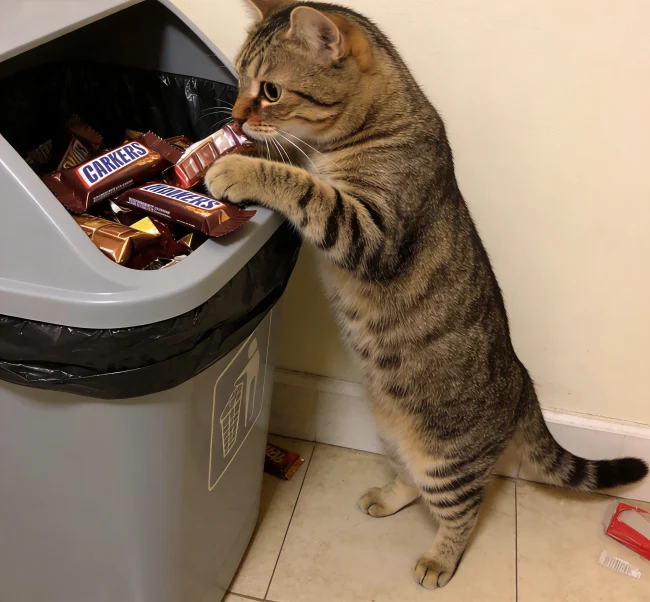
These are items commonly found in kitchens, making them high-risk for accidental exposure.
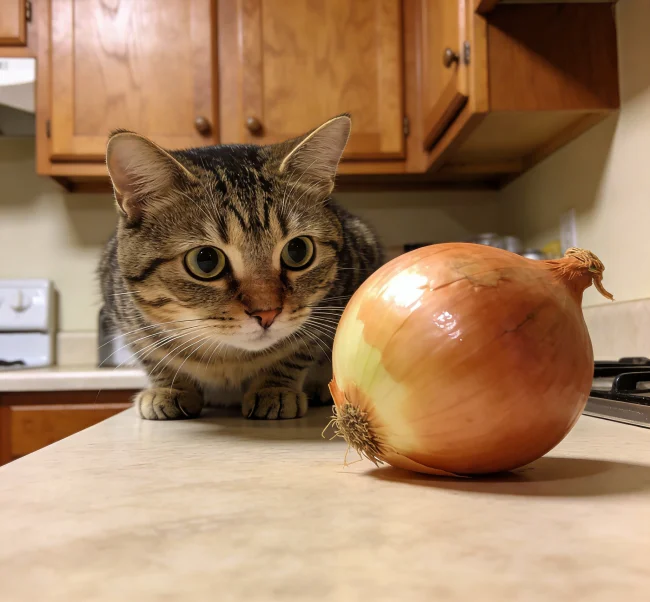
Alliums (Onions, Garlic, Chives): They contain compounds that damage red blood cells, causing hemolytic anemia. Toxicity is cumulative, meaning small amounts over time (like garlic powder in food) can be just as dangerous as one large ingestion. Symptoms include weakness, pale gums, and red-tinged urine.
Chocolate & Caffeine: The stimulants theobromine and caffeine affect the heart, nervous system, and kidneys. Dark chocolate and baking chocolate are the most concentrated. Agitation, rapid breathing, tremors, and seizures can occur.
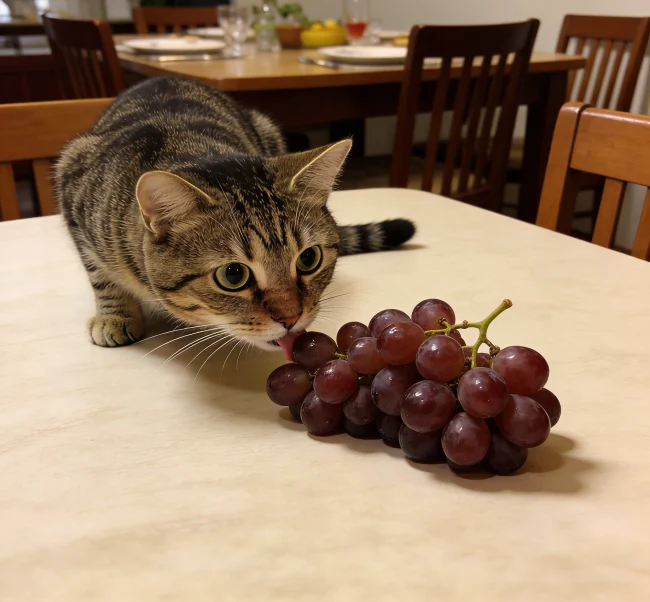
Grapes and Raisins: The toxic agent is unknown, but even a small number can cause sudden kidney failure in susceptible cats. Vomiting is often the first sign within 12 hours.
What to Do: Immediate Action Plan for Suspected Poisoning
Time is critical. Do not wait for symptoms to appear.
Prevention: The Best Medicine
Secure all toxic foods in cabinets. Be vigilant about dropped items. Educate all household members and guests. Consider cat-safe plants only and use pet-friendly antifreeze alternatives. Always check ingredient lists for xylitol, onions, and garlic before sharing any human food.
The Role of Diet: Why “Human Food” is a Risk
A cat’s nutritional requirements are specific and best met by a balanced, commercial cat food formulated by veterinary nutritionists. “Human food” not only risks toxicity but also leads to nutritional imbalances, obesity, and pancreatitis. Treats should not exceed 10% of daily caloric intake and should be specifically designed for cats.
Frequently Asked Questions (FAQ)
Q: My cat just licked a tiny bit of chocolate frosting. Is that an emergency?
A: It depends on the type and amount. For a tiny lick of milk chocolate frosting, monitor closely, but severe poisoning is unlikely. However, any ingestion of dark or baking chocolate warrants an immediate call to your vet or poison control with the details. It’s always safer to seek professional advice.
Q: Are there any “safe” human foods I can give my cat?
A: In very small, occasional amounts, plain cooked meats like chicken or turkey (boneless, skinless, unseasoned) or a bit of canned pumpkin (plain) are generally safe. However, a cat’s primary diet must be complete and balanced cat food. Always consult your vet before introducing new foods.
Q: How much onion or garlic is toxic to cats?
A: As little as 5 grams of onion per kilogram of a cat’s body weight can cause noticeable damage. For a 10-pound (4.5 kg) cat, that’s about 1-2 tablespoons of chopped onion. Garlic is roughly 5 times more potent. Remember, small amounts in sauces or powders over time have a cumulative effect.
Q: What are the symptoms of lily poisoning in cats?
A: Early signs (within 0-12 hours) include vomiting, lethargy, drooling, and loss of appetite. As kidney damage progresses (12-24+ hours), you may see increased thirst, dehydration, and a cessation of urination. By the time urination stops, the damage is often severe or irreversible.
Q: Is dog food toxic to cats?
A: It is not acutely toxic, but it is dangerously inadequate. Dog food lacks sufficient taurine, an essential amino acid cats cannot produce. Long-term consumption leads to taurine-deficiency cardiomyopathy (heart disease) and blindness. It should never be a cat’s regular diet.
Q: Can I use human medications like ibuprofen or aspirin for my cat’s pain?
A: Absolutely not. Ibuprofen, naproxen, and acetaminophen (Tylenol) are extremely toxic to cats, causing stomach ulcers, kidney failure, liver failure, and red blood cell damage. Never give any human medication without explicit direction from your veterinarian.
Q: What should I keep in a pet first-aid kit for potential poisoning?
A: Your kit should include: the phone numbers for your vet, the nearest emergency clinic, and a pet poison helpline; a fresh bottle of 3% hydrogen peroxide (only to use if instructed to induce vomiting); a syringe or turkey baster for administration; and a carrier for safe transport.
Protecting your cat from toxic foods is a fundamental aspect of responsible pet ownership. By understanding the specific dangers—categorized by their severe, life-threatening potential—and having a clear, immediate action plan, you are equipped to prevent tragedy. Remember, when in doubt, always err on the side of caution and contact a veterinary professional immediately. Your vigilance is your cat’s best defense.

Related Articles
 Cat Food Guide
How Long Should a Cat Stay on Hypoallergenic Food? A Complete 12-Week Timeline Guide
 Cat Food Guide
What are the five cat foods to avoid? A Vet-Approved Safety Guide
 Cat Food Guide
Best Wet Cat Food for Indoor Cats – 2026 Vet Guide & Feeding Toolkit
 Cat Food Guide
What to Avoid in Wet Cat Food? The 2026 Guide to Reading Labels and Choosing Safely
 Cat Food Guide
Is Hypoallergenic Cat Food Really Work? A Vets Evidence-Based Guide
 Cat Food Guide