




Which Brand of Wet Cat Food Is the Healthiest? A 2026 Vet-Approved Guide

Choosing the healthiest brand of wet cat food can feel overwhelming. With countless options lining the shelves, each promising optimal nutrition, how do you make the right choice for your feline friend? The truth is, there is no single “healthiest” brand for every cat. The best choice depends on your cat’s unique age, health, and dietary needs. This guide cuts through the marketing noise. We provide a clear, evidence-based framework to evaluate any brand, alongside detailed reviews of top-performing foods, so you can confidently select the healthiest wet cat food for your specific cat.
Based on our rigorous evaluation criteria (detailed in the next section), here are our top recommendations for different needs. This table provides an at-a-glance comparison to help you find a starting point.
| Best For | Brand & Product | Key Strength | Consideration |
|---|---|---|---|
| Overall Health & Quality | Tiki Cat After Dark | High-protein, low-carb, with organ meats for biological appropriateness. | Pricier; some cats may prefer pâté over shreds. |
| Sensitive Stomachs | Instinct Limited Ingredient Diet (LID) Rabbit | Single novel protein source, free from common allergens like chicken or grains. | Novel proteins can be expensive. |
| Urinary Health | Weruva Cats in the Kitchen Fowl Ball | High moisture content, low magnesium, and controlled mineral levels. | Check with your vet for cats with diagnosed urinary issues. |
| Senior Cats | Hill’s Science Diet Adult 7+ Savory Stew | Easy-to-eat texture, balanced nutrition with added antioxidants for aging immune systems. | Contains some carbohydrates as fillers. |
| Budget-Conscious | Fancy Feast Classic Pâté | Affordable, widely available, and a simple, low-carb pâté formula. | Contains by-products and artificial colors in some varieties. |
Our Methodology: How We Evaluate “Healthy” Cat Food
Trust is earned through transparency. Our recommendations are not based on popularity alone but on a consistent, multi-point analysis framework developed through years of nutritional research and consultation with veterinary professionals. We evaluate each brand against these core criteria:
In-Depth Reviews of Top-Tier Healthy Brands
Here, we apply our methodology to provide a transparent breakdown of why these brands stand out.
Tiki Cat After Dark
Overview: Tiki Cat After Dark is often hailed as a “bio-appropriate” diet, designed to mimic a cat’s natural prey. Its formulas are high in moisture and protein, focusing on meat and organs.
Ingredients Analysis: The first ingredients are always real meats (like chicken or duck) and broth, followed by organ meats such as liver and heart. This provides a rich source of protein, essential fatty acids, and nutrients like taurine. The recipes are grain-free and contain no carrageenan, potatoes, or tapioca, keeping carbohydrates exceptionally low.
Nutritional Breakdown (Chicken Recipe, Approx. Dry Matter Basis):
Pros:
Cons:
Best For: Cat owners seeking a top-tier, low-carb, high-protein diet that closely aligns with a cat’s natural nutritional needs.
Instinct Limited Ingredient Diet (LID)
Overview: Instinct LID formulas are designed for cats with food sensitivities, allergies, or digestive issues. They feature a single novel protein and a limited number of other ingredients.
Ingredients Analysis: A recipe like “Rabbit” will list “rabbit” as the sole animal protein source, followed by easily digestible components like peas and tapioca. It excludes common irritants: chicken, beef, fish, dairy, eggs, corn, wheat, and soy. The food is also free from artificial colors and preservatives.
Nutritional Breakdown (Rabbit Recipe, Approx. Dry Matter Basis):
Pros:
Cons:
Best For: Cats diagnosed with or suspected of having food allergies, intolerances, or chronic digestive upset.
The Ultimate Buyer’s Guide: How to Be Your Own Expert
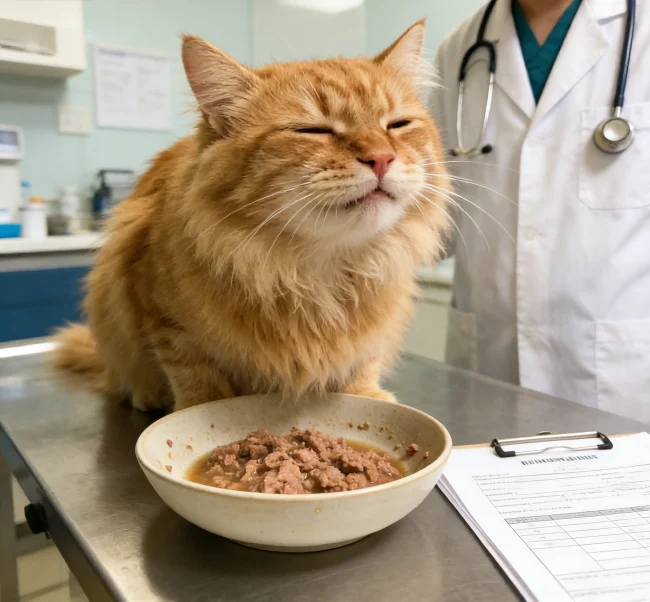
This is the core information most lists miss. Empower yourself to evaluate any can of cat food using these steps.
Step 1: Decode the Ingredient List.
Ingredients are listed by weight. Look for a named animal protein as the first ingredient. Be wary of:
Step 2: Analyze the Guaranteed Analysis with Dry Matter Basis.
The percentages on the label include water, which distorts comparisons. To calculate Dry Matter Basis:
This reveals the true, comparable protein density.
Step 3: Match the Food to Your Cat’s Specific Needs.
Step 4: Consider Price Per Nutrient, Not Just Per Can.
A cheaper can may require feeding more to meet nutritional needs. Calculate the cost to feed per day based on your cat’s calorie requirements and the food’s caloric density (kcal/can).
Frequently Asked Questions (FAQ)
Q: Is grain-free wet cat food always healthier?
Not necessarily. While many cats thrive on grain-free diets, the health benefit comes from the overall low carbohydrate and high protein content, not simply the absence of grains. Some grain-free foods use high-starch alternatives like potatoes or peas, which can still be high in carbs. Focus on the total carbohydrate content and ingredient quality.
Q: How much wet food should I feed my cat daily?
This depends entirely on your cat’s ideal weight, age, activity level, and the calorie content of the food. An average 10-pound adult cat may need 180-220 calories per day. A typical 5.5oz can contains 150-200 calories. Always start with the feeding guide on the can and adjust based on your cat’s body condition, consulting your veterinarian for a precise plan.
Q: What are the red-flag ingredients I should avoid in wet cat food?
Be cautious of: 1) Artificial colors and flavors (e.g., Red 40, “animal digest”), which are unnecessary. 2) Certain preservatives like BHA, BHT, and ethoxyquin, which some studies link to health concerns. 3) Carrageenan, a thickening agent some research suggests may cause inflammation, though evidence is mixed. 4) Vague “meat by-products” without a named source.
Q: Can I feed my cat only wet food?
Absolutely. In fact, an all-wet diet is often recommended by veterinarians. It provides essential hydration, which is crucial for urinary tract health, and is typically lower in carbohydrates than dry food. Ensure the wet food is nutritionally complete and balanced according to AAFCO standards.
Q: Are expensive brands always better?
Price often correlates with ingredient quality (e.g., more whole meat, fewer fillers), but not always. Use our evaluation framework to assess value. A mid-priced food with excellent protein DMB and clean ingredients may be a better “health” value than a premium food with unnecessary additives. The “best” food is the one that fits your budget and meets your cat’s nutritional needs.
Q: How do I transition my cat to a new, healthier wet food?
Transition slowly over 7-10 days to avoid digestive upset. Start by mixing 25% new food with 75% old food for a few days, then go 50/50, then 75% new/25% old, before switching completely. If your cat is resistant, try warming the food slightly or topping it with a sprinkle of a food topper or broth.
Q: What does “AAFCO statement” mean, and why is it important?
The AAFCO statement on the label confirms the food provides complete and balanced nutrition. It will say the food is formulated to meet the nutritional levels established by AAFCO for a specific life stage (e.g., “for adult maintenance”). This is a critical baseline for any food claiming to be a primary diet.
Q: My cat is a picky eater. How do I choose a healthy food they’ll actually eat?
Prioritize palatability alongside health. Look for foods with strong meat aromas and textures your cat prefers (pâté, shreds, chunks in gravy). Brands like Tiki Cat, Weruva, and even some Fancy Feast Classics are known for being palatable. You may need to try a few single-serve cans before committing to a case.
Finding the healthiest wet cat food is a personalized journey, not a one-size-fits-all answer. By understanding how to read labels, calculate true nutrient density, and align food choices with your cat’s individual life stage and health profile, you become an empowered advocate for their well-being. Start with our top picks as a benchmark, apply the principles in our buyer’s guide, and consult with your veterinarian to make the most informed decision. Your cat’s vitality and longevity are the ultimate rewards for taking this careful, informed approach.

Related Articles
 Cat Food Guide
What Is the Best Wet Cat Food for Picky Eaters? A Vet-Approved Strategy
 Cat Food Guide
Is Hypoallergenic Cat Food Really Work? A Vets Evidence-Based Guide
 Cat Food Guide
What treats do cats love the most? A Science-Based Guide to Feline Taste
 Cat Food Guide
Hypoallergenic Cat Foods – The 2026 Guide from Diagnosis to Bowl
 Cat Food Guide
Do Vets Recommend Purina for Cats? The Evidence-Based Truth
 Cat Food Guide