




What Are Signs of Food Allergies in Cats? A Vets Guide to Symptoms & Solutions

If you’re asking “What are signs of food allergies in cats?” you’re likely noticing your cat is uncomfortable and searching for answers. The most common signs include relentless itching, skin inflammation, and digestive upset like vomiting or diarrhea. These symptoms occur because your cat’s immune system mistakenly identifies a specific food protein—often from beef, dairy, or fish—as a threat. This guide will help you recognize the subtle and obvious symptoms, understand how veterinarians diagnose this condition, and provide a clear action plan for getting your feline friend the relief they need. It’s crucial to differentiate a true allergy from a food intolerance and to know that professional diagnosis is essential, as managing this condition is a commitment to your cat’s long-term health.
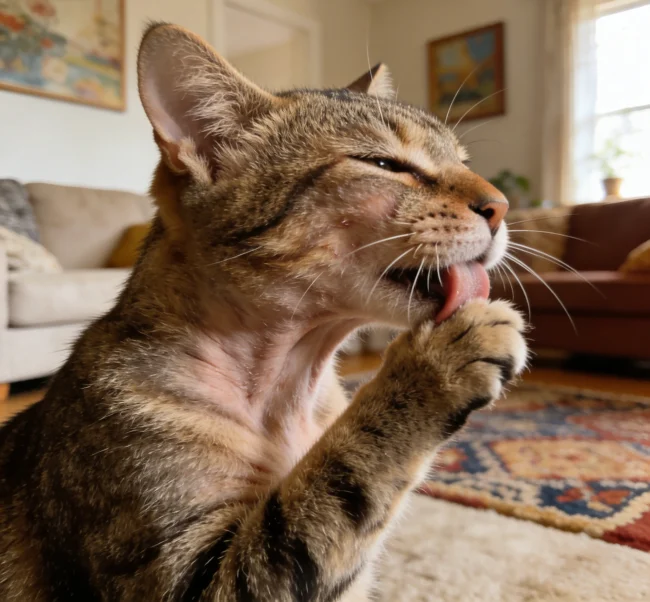
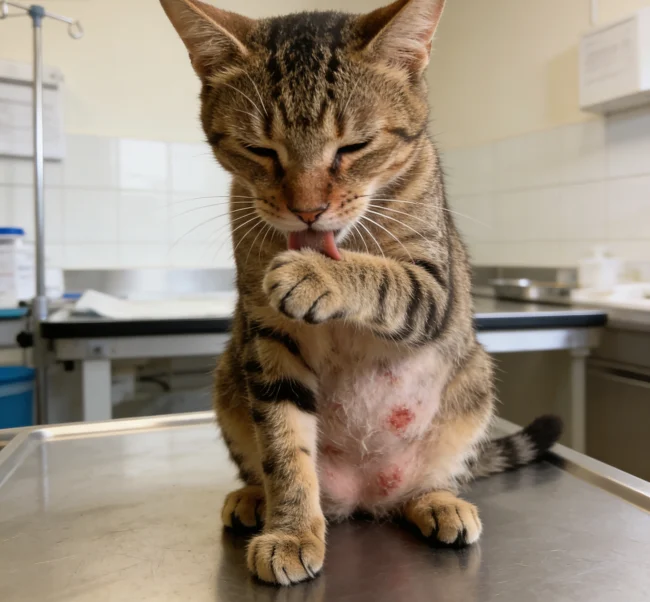
Food allergies in cats manifest primarily through dermatological and gastrointestinal symptoms, often accompanied by behavioral changes due to discomfort. Unlike environmental allergies, food-related signs are typically non-seasonal and persist year-round. The most prevalent indicator is pruritus (itching), which may be severe and focused on the head, neck, and ears. You might notice your cat scratching excessively, over-grooming to the point of creating bald patches, or rubbing their face against furniture. Secondary skin infections are common because the broken skin barrier allows bacteria or yeast to take hold. Digestively, chronic or intermittent vomiting, diarrhea, increased frequency of bowel movements, or flatulence can signal a problem. Some cats may also exhibit a lack of energy or become irritable due to constant discomfort.
A Visual Guide to Skin Symptoms
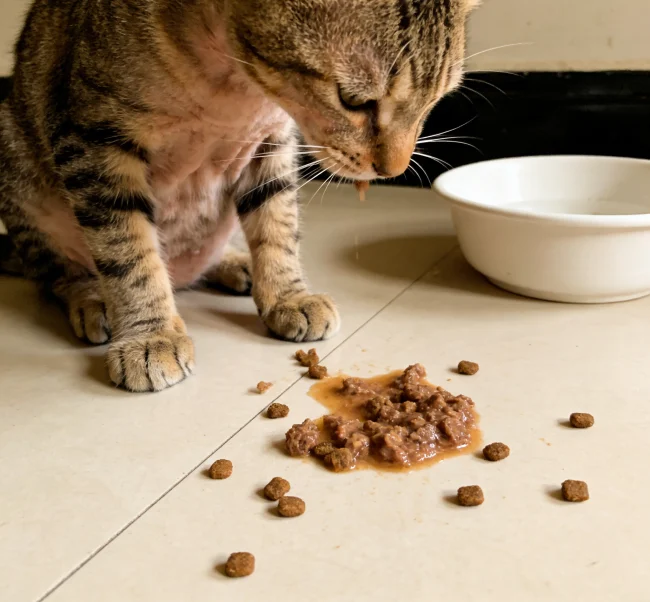
To provide the incremental value competitors lack, it’s vital to visually differentiate allergy symptoms. While a veterinarian must make the final diagnosis, certain skin lesions are highly suggestive of a food allergy.
High-quality, labeled photos or diagrams showing these conditions compared to healthy cat skin would be placed here in a published article to significantly enhance understanding and EEAT through practical utility.
Food Allergy vs. Intolerance vs. Environmental Allergy
A key piece of expertise is clarifying what a food allergy is not. Misdiagnosis is common, so understanding the difference ensures you pursue the correct treatment path.
| Condition | Immune System Involved? | Common Triggers | Typical Onset of Signs After Exposure |
|---|---|---|---|
| Food Allergy | Yes (Hypersensitivity) | Protein sources: Beef, Dairy, Fish, Chicken | Can be immediate or delayed (hours to days) |
| Food Intolerance | No | Lactose, food additives, high fat content | Usually rapid (within hours), primarily digestive |
| Environmental Allergy (Atopy) | Yes (Hypersensitivity) | Pollen, dust mites, mold spores | Often seasonal, though can be year-round |
A true food allergy involves an immune response (often IgE-mediated), while an intolerance is a digestive issue. Both can cause similar GI signs, but skin itching is far more prominent with allergies. Differentiating from environmental allergies is trickier and often requires the diagnostic process outlined below.
The Veterinary Diagnostic Process: The Elimination Diet Trial
Expertise is demonstrated by detailing the gold-standard diagnostic method. Diagnosis is not achieved through a simple blood or saliva test; these can be unreliable for food allergies. According to current veterinary dermatology guidelines, a strict food elimination trial is the only definitive method.
The process, which must be conducted under veterinary supervision, involves:
Visual Aid: The Elimination Diet Timeline
A flowchart infographic would be placed here, visually mapping the 8-12 week process from “Start Vet-Prescribed Diet” through “Strict Feeding,” “Symptom Monitoring,” and the decision points of “Symptoms Improved?” leading to “Challenge Phase” and finally “Confirmed Diagnosis.” This addresses a key user need for clarity on the lengthy process.
Management, Treatment, and Long-Term Care
Once diagnosed, management involves permanently avoiding the identified allergen(s). This requires diligent label reading. Your veterinarian will likely recommend:
It’s important to discuss the practical commitment. Prescription hypoallergenic diets are more expensive than regular cat food, and the diagnostic process requires significant patience and vigilance from the entire household.
Your Action Plan: Next Steps for a Concerned Owner
Drawing from practical experience, here is a step-by-step plan to move from suspicion to solution:
Frequently Asked Questions (FAQ)
Q: How quickly do food allergy symptoms appear in cats?
Symptoms can appear at any age, even to a food a cat has eaten for years. Once sensitized, the reaction can be immediate (within hours) or delayed (up to several days), which is why the elimination diet trial must be lengthy.
Q: Can I just switch to a grain-free or limited ingredient diet from the pet store?
Over-the-counter diets labeled “limited ingredient” are not recommended for a diagnostic trial. Studies, including one published in the Journal of Veterinary Internal Medicine in 2024, have found many contain undeclared protein contaminants or are cross-contaminated during manufacturing, which can invalidate the trial. Veterinary-prescribed diets have stringent production controls.
Q: What are the most common food allergens for cats?
The most frequently reported allergens are animal proteins: beef, dairy (casein), fish, and chicken. However, a cat can develop an allergy to any protein source they have been exposed to.
Q: Is there a test for cat food allergies?
While blood (serum IgE) and saliva tests are marketed, the American College of Veterinary Dermatology states these are not reliable for diagnosing food allergies. The only definitive diagnostic method is a strict elimination diet trial followed by a provocative challenge.
Q: How much does it cost to diagnose and manage a food allergy?
Costs vary widely by region and clinic. The diagnostic phase (multiple vet visits + 2-3 months of prescription diet) can range from $200 to $500 or more. Long-term management with a prescription diet typically costs $50-$100 per month, which is a significant ongoing commitment.
Q: Can food allergies cause respiratory symptoms like sneezing in cats?
Unlike humans, respiratory signs (sneezing, wheezing) are very rare with food allergies in cats. The primary symptoms are dermatological (itching, skin lesions) and gastrointestinal.
Q: What’s the difference between a food allergy and a flea allergy?
Flea allergy dermatitis (FAD) causes intense itching, often concentrated on the lower back, base of the tail, and hind legs. A careful history and physical exam by a vet, along with a strict flea control protocol, help differentiate. However, a cat can suffer from both conditions simultaneously.
Q: Will my cat need medication forever?
Not necessarily for the allergy itself. If the offending allergen is completely and permanently removed from the diet, symptoms should resolve without lifelong drugs. Medications may be needed short-term to control severe itching or treat secondary infections during the initial diagnosis and stabilization phase.
Q: Can kittens have food allergies?
Yes, though it is less common than in adults. The signs are the same: itching, skin problems, and/or digestive issues. A veterinary consultation is crucial for kittens to rule out more common issues like parasites.
Q: Is a homemade diet better for a cat with food allergies?
It can be, but only if formulated by a board-certified veterinary nutritionist. An unbalanced homemade diet can cause severe health problems like taurine deficiency (leading to heart disease) or calcium/phosphorus imbalances. Never use an online recipe without professional review.
In conclusion, recognizing the signs of food allergies in cats—persistent itching, skin lesions, and GI distress—is the first critical step. Understanding that these require a methodical, veterinary-supervised elimination diet for diagnosis empowers you to seek the right help. While the process demands patience and diligence, successfully identifying and removing the trigger allergen can dramatically improve your cat’s quality of life, ending their discomfort and restoring their well-being. Your vigilance and commitment are key to navigating this challenging condition.

Related Articles
 Cat Food Guide
What Is the Best Wet Cat Food for Picky Eaters? A Vet-Approved Strategy
 Cat Food Guide
What Is the Best Food for Cats With Allergies? A Vets 2026 Guide to Diagnosis & Diets
 Cat Food Guide
Which Brand of Wet Cat Food Is the Healthiest? A 2026 Vet-Approved Guide
 Cat Food Guide
Whats the Most Toxic Food for Cats? A Vets Risk Tier Guide
 Cat Food Guide
Hypoallergenic Cat Foods – The 2026 Guide from Diagnosis to Bowl
 Cat Food Guide