
Is Purina Owned by Nestle? Ownership Facts & Ethical Guide

If you’ve found yourself asking, “Is Purina owned by Nestle?” you’re not alone. This is one of the most common questions pet owners have when scanning the pet food aisle, driven by a desire to make informed choices for their furry family members. The direct answer is yes, Purina is wholly owned by Nestlé. More precisely, the pet food giant operates as a subsidiary named Nestlé Purina PetCare, a division formed from the $10.3 billion merger between Nestlé and Ralston Purina in 2001. However, the prevalence of this search query reveals a deeper, more nuanced intent. Many consumers are not just seeking a corporate fact; they are verifying a supply chain connection to assess ethical implications. This article will provide the definitive ownership facts, explore the historical context, and objectively address the ethical considerations that make this question so significant for today’s conscious consumer.
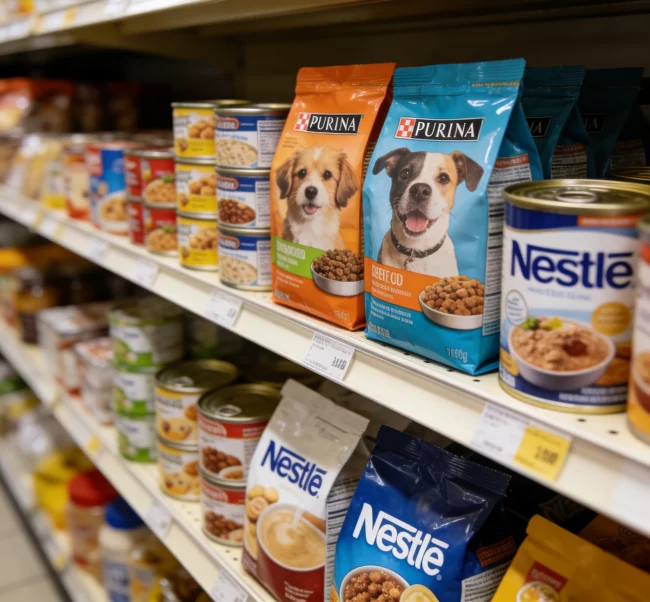
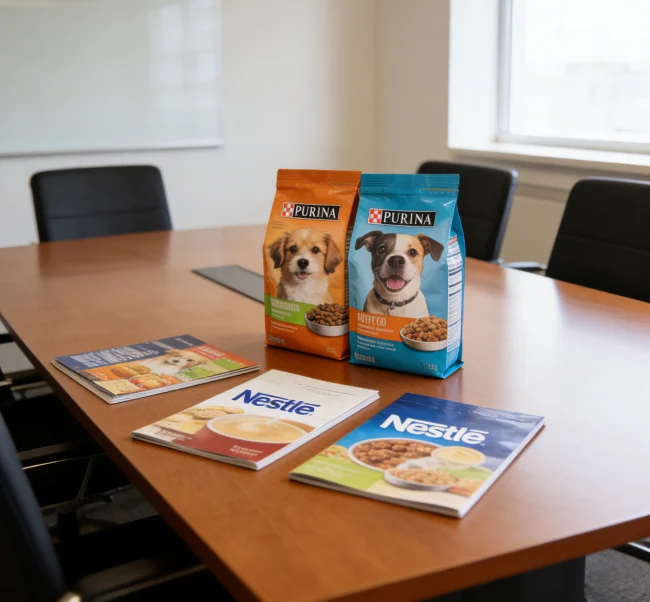
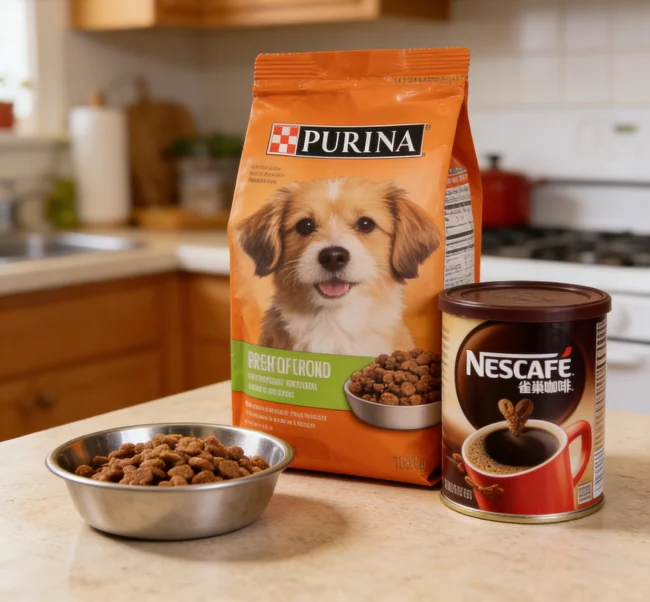
Purina is not just associated with Nestlé; it is a core pillar of the Swiss conglomerate’s global portfolio. Following the landmark merger over two decades ago, all Purina brands were integrated into Nestlé’s operations. Today, Nestlé Purina PetCare functions as one of Nestlé’s main operating segments, reporting its financials alongside zones like North America and Europe. This structure means Purina’s strategic direction, manufacturing, and R&D are ultimately overseen by Nestlé’s corporate leadership. The ownership is unambiguous and is publicly documented in Nestlé’s annual reports and corporate website. For the pet owner, this means purchasing a bag of Purina Pro Plan, Friskies, or Beneful is a transaction that supports the Nestlé corporation.
A Brief History: From Independent Giant to Nestlé Subsidiary
To understand the present, it’s helpful to look at the past. The Purina name has a long, independent history in American agriculture and animal nutrition.
Why the Question “Is Purina Owned by Nestlé?” is So Popular
The sheer volume of searches for this corporate fact stems from more than casual curiosity. It is deeply tied to the modern consumer movement of ethical sourcing and brand accountability. Nestlé is frequently cited in discussions about corporate responsibility, and pet owners who are aware of these controversies naturally extend their scrutiny to the pet food shelf.
The primary ethical criticisms of Nestlé, often highlighted by NGOs and investigative reports, include:
When a pet owner learns Purina is part of Nestlé, they are often connecting these broader concerns to their purchasing decision. Social media communities and activist groups have amplified this connection, making “Is Purina owned by Nestlé?” a key verification step for those considering a boycott.
Major Purina Brands Under the Nestlé Umbrella
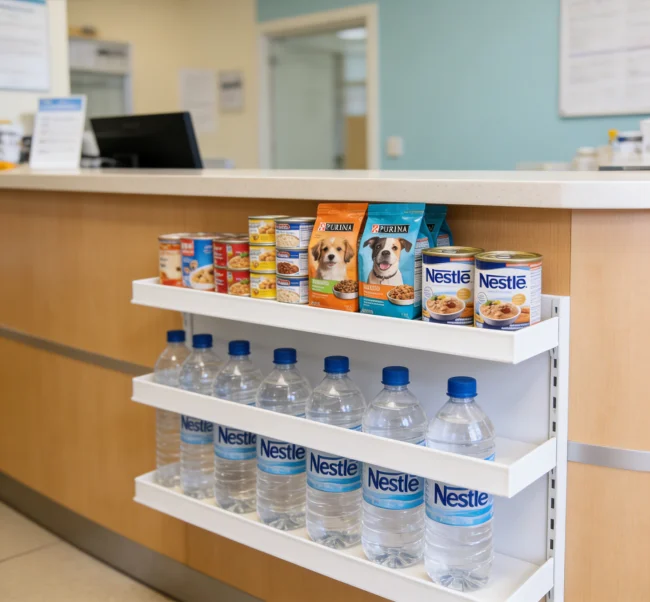
Nestlé Purina PetCare manages a vast portfolio of brands catering to every segment of the pet food market. The table below categorizes some of its most prominent labels:
| Brand Category | Key Brand Names | Primary Market Segment |
|---|---|---|
| Premium & Veterinary Diets | Purina Pro Plan, Purina ONE, Purina Veterinary Diets | Health-conscious owners, pets with specific dietary needs |
| Mainstream & Value | Purina Dog Chow, Cat Chow, Beneful, Alpo | Everyday nutrition, mass-market |
| Specialty & Treats | Friskies, Fancy Feast, Tidy Cats (litter), Beggin’ Strips | Wet food, treats, cat litter |
For Pet Owners: Making an Informed Choice
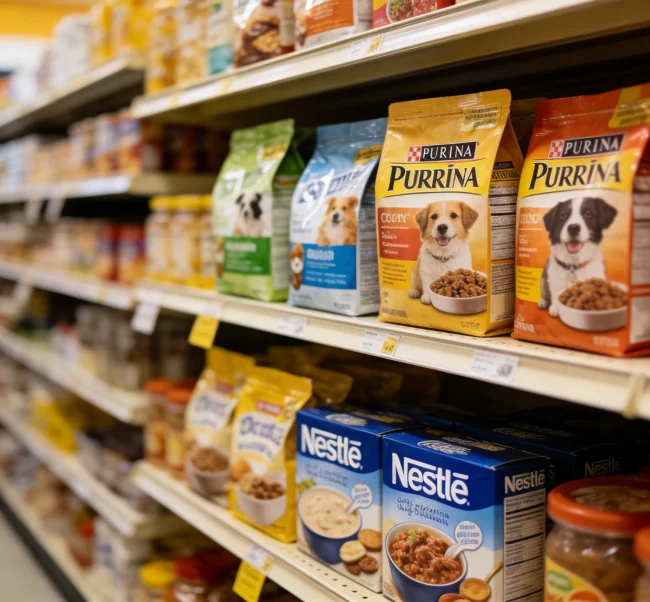
Navigating the intersection of pet nutrition and corporate ethics requires balancing several factors. Here is a framework to help make a decision that aligns with your values.
Nestlé Purina emphasizes its significant investment in nutritional science, quality control, and food safety. The company operates dedicated research centers and conducts feeding trials to formulate its diets. From a corporate standpoint, ownership by a giant like Nestlé provides scale, resources for R&D, and stringent (though internally managed) supply chain protocols. For many owners, the brand’s longevity, widespread availability, and perceived palatability for their pets are the deciding factors.
If Nestlé’s broader business practices are a concern, owning Purina creates a direct link. The ethical consumer must decide if their purchase of pet food indirectly supports corporate activities they disagree with. This is a personal valuation, weighing the welfare of their pet against their desire for corporate accountability. It’s also worth noting that consolidation is industry-wide; many familiar pet food brands are owned by a handful of large conglomerates.
For those seeking options outside major conglomerates, a growing sector of independent and mission-driven companies exists. These brands often emphasize transparency, unique sourcing, or alternative business models.
| Brand Type | Example Brands (2026) | Key Differentiators |
|---|---|---|
| Independent & Family-Owned | Fromm Family Foods, Solid Gold | Multi-generational ownership, controlled manufacturing |
| B-Corp Certified | The Honest Kitchen, Open Farm | Legally required to balance purpose and profit, high transparency scores |
| Niche Formulation Focus | Orijen/Acana (by Champion Petfoods), Stella & Chewy’s | Biologically appropriate recipes, freeze-dried raw, owned by mid-size companies |
| Direct-to-Consumer (DTC) | Nom Nom, Ollie | Fresh, customized meals, simplified supply chain |
The Impact of the Nestlé Acquisition on Purina
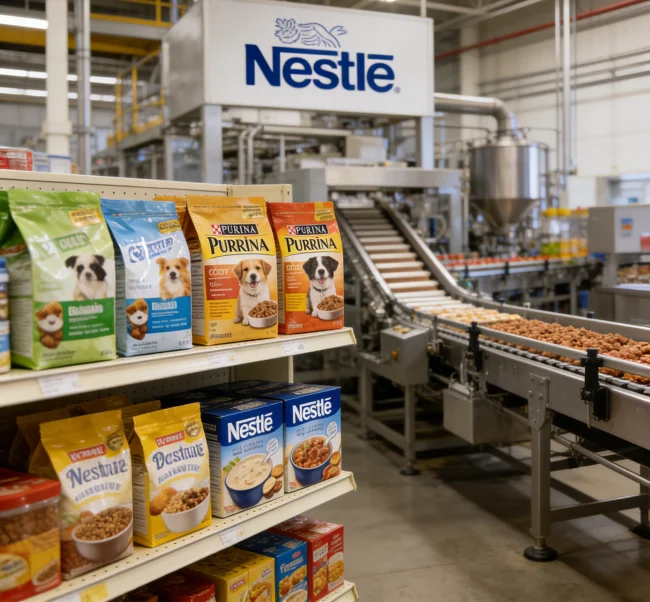
The merger fundamentally reshaped the global pet care landscape. For Purina, it meant access to Nestlé’s immense capital and global distribution network, fueling international expansion. It also integrated Purina into Nestlé’s corporate culture and reporting structures. While core Purina brands retained their identity and marketing, product formulations and sourcing have evolved under Nestlé’s centralized R&D and procurement strategies. The acquisition solidified a trend toward mega-corporations dominating the pet food sector, influencing everything from shelf space to ingredient sourcing economies of scale.
Frequently Asked Questions (FAQ)
Q: Is Purina good for my pet?
A: Purina produces a wide range of foods that meet the nutritional standards set by the Association of American Feed Control Officials (AAFCO). Many of their lines, like Pro Plan, are developed with veterinary nutritionists and undergo feeding trials. The “goodness” depends on your pet’s individual health, age, and needs. Consulting your vet is the best way to determine if a specific Purina diet is appropriate.
Q: What other pet food companies does Nestlé own?
A: Beyond the Purina portfolio, Nestlé’s pet care segment also includes brands like Felix and Gourmet in some international markets. It’s important to note that Nestlé sold its majority stake in the premium brand Lily’s Kitchen in 2025 to focus on its core portfolio.
Q: Are there any Purina brands that are not owned by Nestlé?
A: No. Since the 2001 merger, all brands using the Purina name or originating from the Ralston Purina company are part of Nestlé Purina PetCare. The Purina name is a trademark owned by Nestlé.
Q: Why do people boycott Nestlé and, by extension, Purina?
A: Boycotts are typically linked to long-standing ethical controversies associated with Nestlé’s global operations, particularly concerning water resource management and historical infant formula marketing practices. Consumers who boycott extend this principle to all Nestlé-owned products, including pet food.
Q: Has Purina’s product quality changed since Nestlé bought it?
A: Purina states that its commitment to quality and science has strengthened with Nestlé’s resources. Formulations are periodically updated based on new research. Some long-time consumers perceive changes in ingredients over the decades, which is common across the industry as sourcing and nutritional science evolve.
Q: Where is Purina pet food manufactured?
A: Nestlé Purina operates numerous manufacturing facilities across North America and globally. Specific plant locations can often be found on product packaging or by contacting their consumer affairs department. Production is regionalized to serve major markets.
Q: What is the largest pet food company in the world?
A: As of 2026, Mars, Incorporated (owner of Pedigree, Royal Canin, Iams, and others) and Nestlé Purina PetCare are the two largest players by global sales, consistently vying for the top position in market share.
Q: If I avoid Purina, what should I look for in an alternative brand?
A: Look for brands with complete transparency: named protein sources, clear manufacturing locations, and a nutritional adequacy statement from AAFCO. Consider independent brands, those with third-party certifications (like B-Corp), or those using business models focused on sustainability. Always transition your pet’s food gradually.
In conclusion, the answer to “Is Purina owned by Nestlé?” is a definitive yes, a fact rooted in a major corporate merger over twenty years ago. For the modern pet owner, however, this simple confirmation is just the starting point. The more complex question involves what this ownership means for you, your values, and your pet’s well-being. By understanding the history, recognizing the ethical landscape, and exploring the full spectrum of available choices—from conglomerate-owned staples to independent innovators—you are empowered to make the most informed and conscientious decision possible for your furry companion.

Related Articles
 Cat Food Guide
Which Is the No. 1 Cat Food Brand? Our 2026 Vet-Informed Guide
 Cat Food Guide
What Are the Top 5 Healthiest Cat Foods for Indoors? A Vet-Verified Guide for 2026
 Cat Food Guide
What to Avoid in Wet Cat Food? The 2026 Guide to Reading Labels and Choosing Safely
 Cat Food Guide
Is Hypoallergenic Cat Food Really Work? A Vets Evidence-Based Guide
 Cat Food Guide
Hypoallergenic Cat Foods – The 2026 Guide from Diagnosis to Bowl
 Cat Food Guide