


Do Vets Recommend Purina for Cats? The Evidence-Based Truth

If you’ve ever typed “Do vets recommend Purina for cats?” into a search bar, you’re not alone. You’re likely a conscientious cat owner caught in a common modern dilemma: your trusted veterinarian suggested a Purina diet, but a quick online search reveals a storm of conflicting opinions, negative reviews, and alarming headlines. This creates a real conflict—a cognitive dissonance between professional advice and popular sentiment. The direct answer to your question is a resounding yes, a significant portion of veterinarians do recommend Purina for cats. However, the “why” behind this endorsement is far more critical than a simple yes or no. This article will bridge that credibility gap, providing an evidence-based exploration of the scientific backing, veterinary reasoning, and nuanced realities behind Purina’s standing in the professional community, empowering you to make an informed decision with confidence.
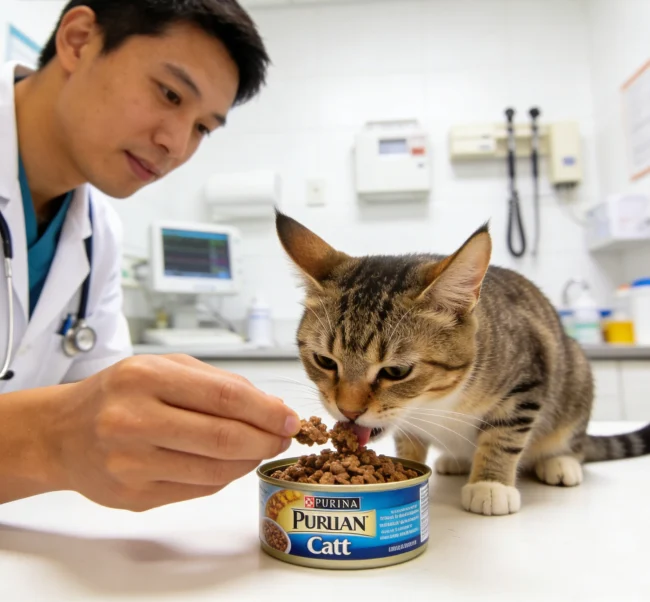
The consensus within the veterinary community is clear. Purina, particularly its Pro Plan and veterinary-exclusive lines, is consistently recommended by veterinarians across the globe. This isn’t a matter of brand sponsorship or anecdotal preference; it’s rooted in a framework of nutritional science, rigorous safety protocols, and decades of research that many competing brands simply cannot match. When a vet suggests Purina, they are prioritizing predictable nutrition, proven palatability, and a robust quality control system backed by a team of board-certified veterinary nutritionists. This professional trust forms the bedrock of the recommendation, which we will now unpack in detail.
The Evidence: Veterinary Trust and Scientific Backing
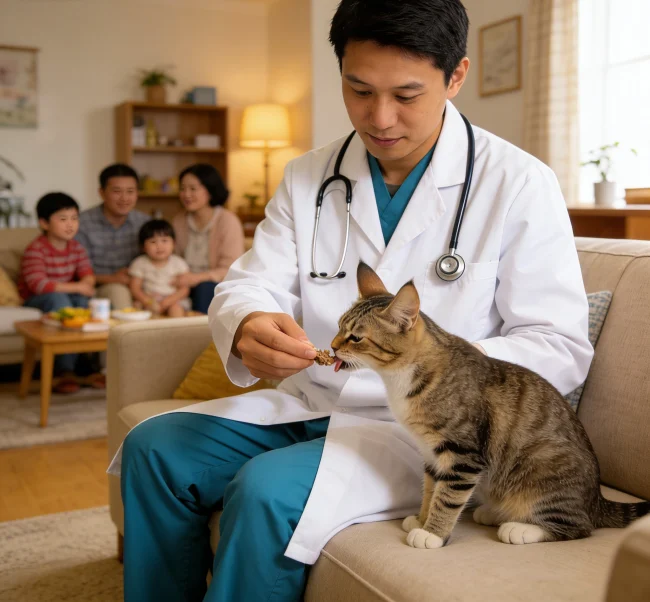
Veterinarians operate on evidence. Their recommendation for Purina stems from the brand’s demonstrable commitment to the very standards the profession upholds.
Adherence to WSAVA Guidelines: The World Small Animal Veterinary Association (WSAVA) sets global nutritional guidelines to help vets recommend foods from companies that operate with transparency and scientific rigor. Key questions include: Does the company employ full-time, board-certified veterinary nutritionists? Does it conduct and publish AAFCO feeding trials? Does it have stringent quality control and manufacturing standards? Purina meets all these criteria, while many smaller “boutique” or grain-free brands often do not. This adherence is a primary filter for veterinary professionals.
Substantial Research Investment: Purina operates the Purina PetCare Center, a dedicated research facility where studies on palatability, digestibility, and specific health benefits are conducted. For example, research on urinary health, weight management, and joint support in cats published in peer-reviewed journals informs their product formulations. This level of investment in clinical research is rare in the pet food industry and provides vets with data they can rely on.
Expertise On Staff: Purina employs a team of PhD animal nutritionists and, crucially, board-certified veterinary nutritionists (DACVIM). These experts are involved in formulating diets to ensure they are not only complete and balanced but also tailored to support specific life stages and health conditions. This direct channel of professional expertise is a significant factor in earning veterinary trust.
Decoding the Recommendations: Which Purina Lines Do Vets Suggest?
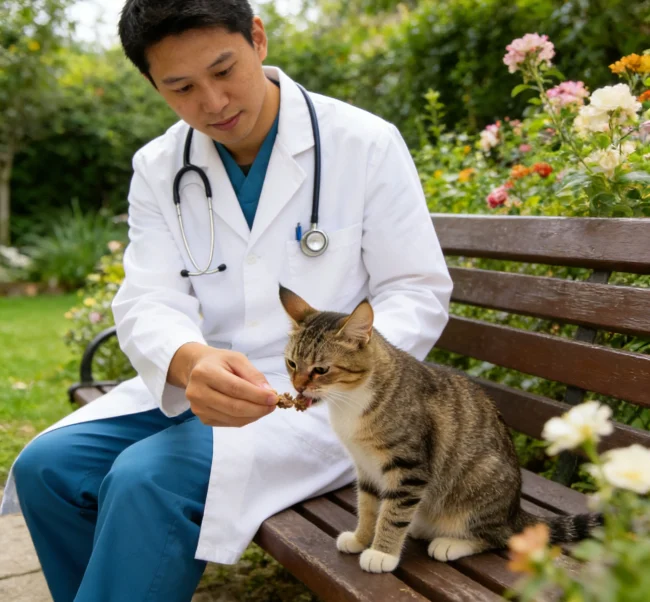
Not all Purina foods are discussed in the exam room equally. Veterinarians make distinctions based on a cat’s specific needs.
Purina Pro Plan Veterinary Diets: These are prescription diets available only through a veterinarian. They are formulated to help manage specific medical conditions such as chronic kidney disease, diabetes, food allergies, or urinary issues. These diets are the result of targeted research and are a primary tool in veterinary therapeutic nutrition.
Purina Pro Plan (Over-the-Counter): This line is frequently recommended for everyday feeding, especially for its specialized formulas (e.g., Sensitive Skin & Stomach, Urinary Tract Health, Bright Mind for senior cats). Vets value its high palatability, consistent quality, and inclusion of live probiotics for digestive health.
Purina ONE: Positioned as a premium, affordable option, Purina ONE is often suggested for pet owners seeking high-quality nutrition on a budget. Its formulas also target specific needs like urinary health or weight management and are backed by the same Purina research infrastructure.
The table below summarizes the typical veterinary perspective on each major line:
| Purina Line | Primary Veterinary Use Case | Key Differentiators |
|---|---|---|
| Pro Plan Veterinary Diets | Management of diagnosed medical conditions (e.g., kidney disease, allergies). | Prescription-only; clinically tested formulas; targeted nutrient modifications. |
| Pro Plan (OTC) | Everyday premium nutrition; support for common issues like digestion or urinary health. | High palatability; includes live probiotics; wide variety of life-stage and need-specific formulas. |
| Purina ONE | High-quality everyday nutrition with a value focus. | Affordable premium option; first ingredient is real meat; clear nutritional targeting. |
Addressing the Controversy: A Veterinary Nutrition Perspective
Understanding why vets recommend Purina also requires directly addressing the common criticisms leveled against it online. Here’s a science-based look at the top concerns.
By-products and “Fillers”: The term “by-products” (like liver or lungs) often vilified online is, in nutritional science, a dense source of vitamins and minerals. They are highly digestible and nutritious. Ingredients like corn and wheat are not mere “fillers”; they provide essential energy, protein, fiber, and fatty acids. They are highly digestible in cooked forms used in kibble. Veterinary nutritionists emphasize that the nutritional value of an ingredient is what matters, not its human-food appeal.
Recall History: Purina has had recalls, as have nearly all major pet food brands due to the scale of their production. The critical factor for vets is the company’s response and transparency. Purina’s recalls have typically been voluntary, precautionary, and executed with clear communication, often for potential issues not linked to widespread illness. This demonstrates a proactive safety culture. Comparing recall history requires context: a company producing billions of meals annually will have a different statistical profile than a small batch producer.
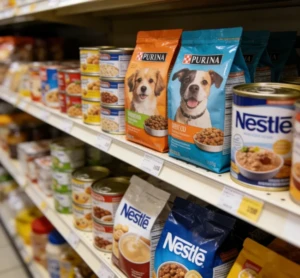
The Nestlé Ownership Factor: The association with Nestlé, a corporation with its own controversies, is a concern for some consumers. From a strictly veterinary nutritional standpoint, this ownership has provided Purina with immense resources for research, safety, and quality control infrastructure that benefit pet health. The ethical decision regarding corporate ownership is personal, but it does not inherently diminish the scientific validity of the food’s formulation.
What Veterinarians Themselves Say
To move beyond abstract “vet recommendations,” we sought direct perspectives from practicing clinicians.
The Bottom Line for Your Cat: How to Decide
Your veterinarian’s recommendation is a starting point rooted in science and experience. To decide if Purina is right for your cat, consider this framework:
Frequently Asked Questions (FAQ)
Q: Is Purina Pro Plan really worth the higher price compared to grocery store brands?
A: Yes, from a veterinary perspective, the price difference reflects significant value. Pro Plan formulations include higher concentrations of animal-based protein, often incorporate functional ingredients like live probiotics or omega fatty acids, and are backed by specific research and feeding trials. This leads to better digestibility, nutrient absorption, and targeted health benefits that cheaper, generically formulated brands typically cannot provide.
Q: Why do some online pet food review sites give Purina low ratings?
A: Many popular review sites use rating criteria that heavily prioritize ingredient lists that “look good” to humans (e.g., whole meats first, no grains or by-products) over scientific formulation, digestibility studies, or quality control. This creates a disconnect between consumer-facing ratings and veterinary standards that prioritize nutritional adequacy, safety testing, and proven health outcomes.
Q: Are Purina’s veterinary prescription diets necessary, or can I use an over-the-counter “urinary health” food?
A: This is a critical distinction. Prescription diets (like Purina Pro Plan UR) are formulated to clinically manage a diagnosed disease, often by precisely altering urine pH or mineral content. Over-the-counter “urinary” foods are designed for maintenance and prevention. For a cat with a history of urinary crystals or blockage, a prescription diet is often medically necessary and should not be substituted without veterinary guidance.
Q: How does Purina compare to “boutique” or raw diet brands that vets sometimes criticize?
A: The core difference lies in evidence and oversight. Purina follows WSAVA guidelines, conducts AAFCO feeding trials, and employs veterinary nutritionists. Many boutique brands, despite premium marketing, may not meet these standards. Raw diets, while popular, carry risks of bacterial contamination and nutritional imbalance unless meticulously formulated. Vets often recommend Purina for its proven safety, consistency, and nutritional completeness.
Q: My cat is picky. Will they even eat Purina?
A: Purina invests heavily in palatability research, and both Pro Plan and ONE are generally known for high acceptance among cats. Palatability can vary individually, so transitioning slowly over 7-10 days is key. If pickiness persists, consult your vet to rule out underlying health issues.
Q: Has Purina cat food been recalled recently?
A: As of 2026, Purina has not had a major, illness-linked recall in recent years. The company has issued voluntary, precautionary recalls for specific lots, such as a potential vitamin level issue in 2025 that was caught by internal quality control. You can check the latest information on the FDA’s website or Purina’s recall center page.
Q: I’ve heard Purina foods cause cancer in cats. Is this true?
A: There is no scientific evidence linking Purina foods to cancer in cats. This is a common myth that spreads online without credible data. Cancer in cats has multifactorial causes including genetics, age, and environment. Diets that meet AAFCO standards for complete and balanced nutrition, like Purina’s, are not a known cause.
Q: Should I be concerned about the corn and wheat in Purina cat food?
A: From a veterinary nutritional standpoint, no. Properly cooked corn and wheat are digestible sources of carbohydrates, essential amino acids, and fiber. They provide energy and contribute to a balanced diet. Claims that they are harmful “fillers” or common allergens are not supported by science; true food allergies in cats are far more often to animal proteins.
Q: Can I feed my kitten Purina ONE or Pro Plan?
A: Absolutely. Both lines offer specific kitten formulas that are nutritionally tailored for growth, with higher levels of protein, fat, and essential nutrients like DHA for brain and vision development. Ensure you choose a product labeled for “growth” or “all life stages” that meets AAFCO kitten standards.
Q: My vet recommended Purina, but I’m still unsure. What should I ask them?
A: Have an open dialogue. Ask: “Can you explain why you prefer Purina over other brands that meet WSAVA guidelines?” “Which specific line and formula do you think is best for my cat’s specific age/weight/health?” “How should I monitor my cat to know if this diet is working?” Your vet’s detailed answers will provide the personalized context you need.
Navigating the world of cat nutrition is challenging, especially when professional advice seems to clash with online narratives. The evidence shows that veterinarians recommend Purina not out of habit, but because of its demonstrable commitment to scientific research, stringent quality controls, and formulations developed by experts. While no single brand is perfect for every cat, Purina’s widespread professional endorsement is a testament to its reliability and efficacy. The most important step you can take is to partner with your veterinarian, use this information to ask informed questions, and carefully observe your own cat’s health and happiness—the ultimate measure of any diet’s success.

Related Articles
 Cat Food Guide
What are the five cat foods to avoid? A Vet-Approved Safety Guide
 Cat Food Guide
Which Is the No. 1 Cat Food Brand? Our 2026 Vet-Informed Guide
 Cat Food Guide
Is Purina Owned by Nestle? Ownership Facts & Ethical Guide
 Cat Food Guide
Is Hypoallergenic Cat Food Really Work? A Vets Evidence-Based Guide
 Cat Food Guide
Whats the Most Toxic Food for Cats? A Vets Risk Tier Guide
 Cat Food Guide