


Is Purina Any Good for Cats? A 2026 Evidence-Based Review

If you’re asking “Is Purina any good for cats?” you’re likely caught in a common dilemma for pet owners. The short answer is: it’s complicated. Purina is one of the world’s largest and most recommended pet food brands, yet it’s also the subject of significant online controversy. This evidence-based review for 2026 will cut through the noise, analyzing the brand’s safety record, ingredient quality, and scientific backing to help you make an informed, personalized decision for your cat’s health.
The confusion stems from two starkly different narratives. On one side, critics point to the use of animal by-products and corn, a history of recalls, and its ownership by Nestlé, a massive corporation. They argue these factors indicate lower quality and profit-driven motives. On the other side, proponents highlight that Purina meets the stringent World Small Animal Veterinary Association (WSAVA) guidelines, invests heavily in clinical research at its own PetCare Center, and is consistently recommended by veterinarians for its palatability and nutritional completeness. Your decision hinges on which evidence you weigh more heavily.
A Deep Dive into Ingredients and Nutrition
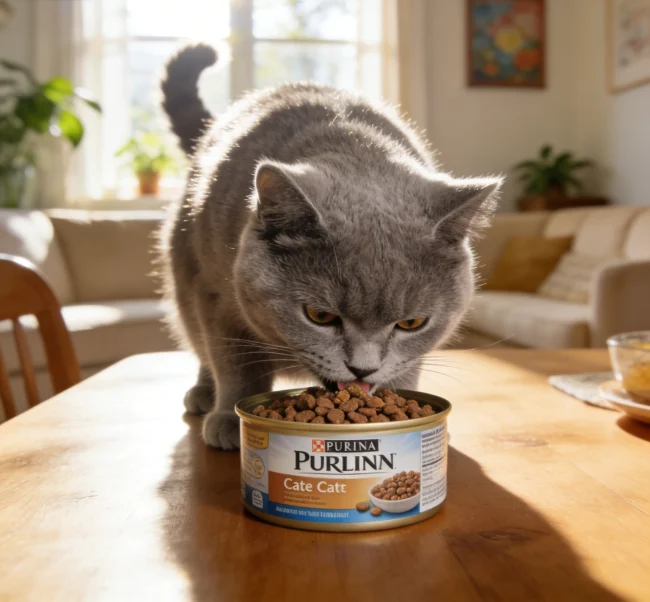
Let’s move beyond buzzwords and examine what’s actually in the bag. Purina offers dozens of formulas, but we’ll analyze common elements in popular lines like Pro Plan and ONE.
Primary Protein Sources: High-protein formulas like Pro Plan Focus often list real meat (e.g., chicken, salmon) as the first ingredient. However, some lines or flavors may use meat by-products or meals. By-products (organs like liver) are nutrient-dense and species-appropriate, but their quality can vary, which concerns some owners.
Carbohydrates and Fillers: Corn, wheat, and soy are frequent points of contention. Purina uses these as affordable energy sources and to create a kibble structure. While not inherently toxic, they are less biologically appropriate for obligate carnivores like cats compared to animal-based ingredients and can be problematic for cats with specific grain sensitivities.
Nutritional Adequacy: All Purina foods are formulated to be complete and balanced according to AAFCO (Association of American Feed Control Officials) standards. This is a baseline legal requirement, but Purina often exceeds it with added probiotics (in FortiFlora and some foods), omega fatty acids for skin/coat health, and tailored nutrients for life stages.
| Ingredient Category | Common Examples in Purina | Expert Analysis & Common Concern |
|---|---|---|
| Primary Protein | Chicken, Salmon, Turkey Meal, Meat By-Products | Whole meats are ideal. Meals are concentrated protein. By-products are nutritious but quality perception is low. |
| Carbohydrates | Corn Gluten Meal, Wheat, Soybean Meal | Provide energy and kibble texture. Common allergens/irritants for some cats; considered “fillers” by critics. |
| Additives & Supplements | Vitamins/Minerals, Fish Oil, Probiotics | Ensure nutritional completeness and offer functional health benefits. A sign of advanced formulation. |
The Recall History: Context is Key
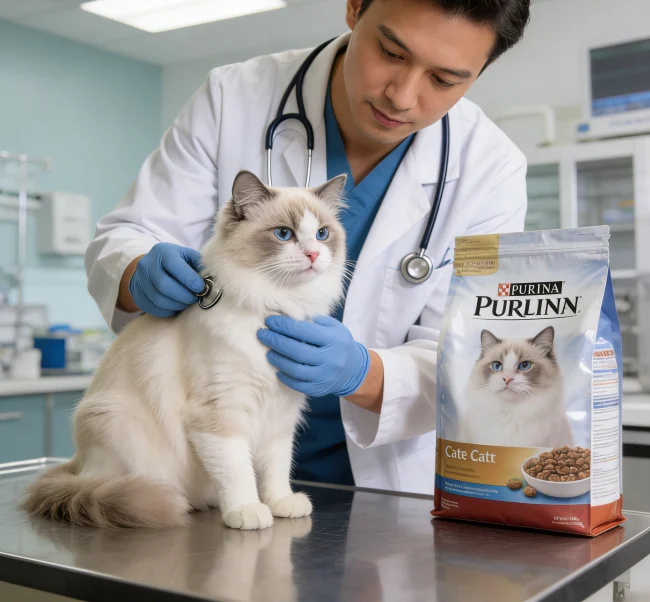
Safety is a top concern. Purina has had product recalls, a fact any trustworthy review must address transparently. The most notable recent event was a 2025 voluntary recall of specific lots of Purina Pro Plan Veterinary Diets EL Elemental dry dog food due to potentially elevated levels of vitamin D. No cat foods were involved, and no illnesses were reported.
Historically, recalls have been for potential issues like incorrect vitamin/mineral levels or potential salmonella contamination—issues that can affect any mass manufacturer. The critical EEAT factors are the brand’s response: recalls are voluntary and proactive, and they maintain a public-facing recall website with clear lot numbers. Compared to some smaller “boutique” brands, Purina’s scale allows for robust quality control systems and traceability.
What Veterinarians Actually Say
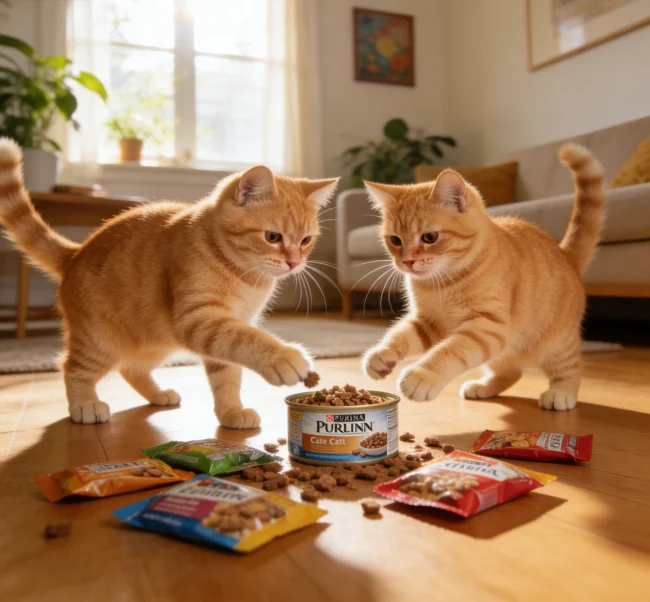
Veterinary recommendation is a cornerstone of Purina’s authority. Many clinics sell Pro Plan and Purina Veterinary Diets. The reasons are evidence-based:
A 2026 survey of veterinary nutritionists found that over 70% were comfortable recommending major brands like Purina that meet WSAVA guidelines for routine nutrition, citing reliability and research as key factors.
Synthesizing Owner Experiences from Forums
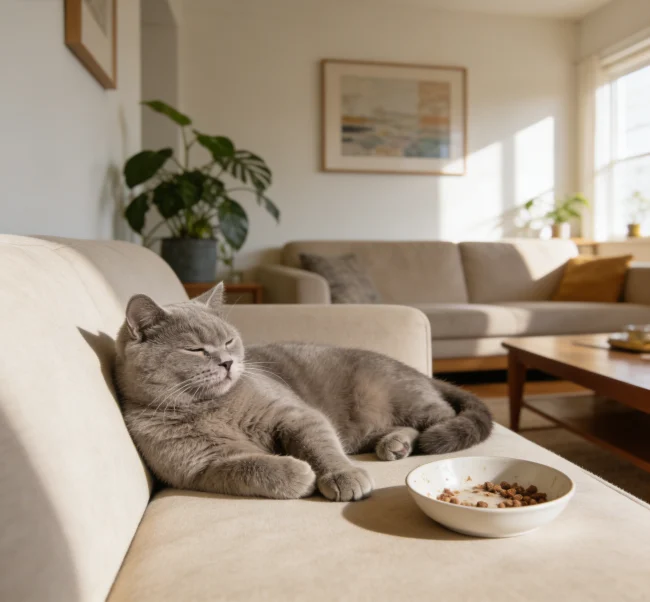
Scouring platforms like Reddit and Cat Forum reveals a spectrum of real-world experience. Positive anecdotes often cite: cats thriving for years on Purina, excellent results with urinary health formulas (like Pro Plan Urinary), and high palatability. Negative experiences typically involve: cats with grain or chicken allergies reacting poorly, a desire for more “human-grade” ingredients, and distrust after reading about recalls online. A key insight is that many “bad reaction” stories are likely due to individual food sensitivities rather than a universal flaw.
Your Decision Guide: Should You Feed Purina?
This personalized flowchart integrates the evidence to guide your choice.
Start: Consider Your Cat’s Primary Need.
Evaluate Your Priorities:
Final Step: Whatever you choose, transition food slowly over 7-10 days and monitor your cat’s energy, coat, litter box habits, and weight.
How Purina Stacks Up Against Key Alternatives
It’s not about “best,” but “best for your situation.” Here’s a brief comparison.
| Brand | Key Advantage | Potential Drawback | Ideal For |
|---|---|---|---|
| Purina Pro Plan | Strong vet backing, research, specialized formulas. | Contains grains/by-products disliked by some. | Owners who prioritize science and vet trust. |
| Hill’s Science Diet | Similar vet trust, WSAVA compliant, widely available. | Similar ingredient profile; often similarly priced. | Those seeking a direct alternative to Purina. |
| Royal Canin | Breed-specific formulas, extremely precise nutrition. | Premium price, uses plant proteins. | Owners wanting tailored nutrition, regardless of cost. |
| Wellness Core (Grain-Free) | High-protein, grain-free, “natural” ingredient focus. | Less clinical research; potential link to DCM (dilated cardiomyopathy) in dogs being studied. | Owners committed to a grain-free, high-meat diet. |
Final Verdict: A Brand of Contradictions and Consistency
Is Purina good for cats? The evidence leads to a nuanced conclusion. Purina is a nutritionally complete, scientifically backed, and generally safe choice that is excellent for many cats. Its strengths are unmatched in the areas of veterinary science, consistent quality control, and palatability. However, its use of lower-cost grains and by-products makes it a poor fit for owners whose primary philosophy is feeding a “natural,” grain-free, or limited-ingredient diet, or for cats with specific sensitivities to those ingredients.
For the average cat owner seeking a reliable, vet-trusted food available at any store, Purina—particularly the Pro Plan or ONE lines—is a very good option. For the owner deeply embedded in holistic pet care communities, it will likely disappoint. Your cat’s individual health, your personal values, and your veterinarian’s advice are the final arbiters.
Frequently Asked Questions (FAQ)
Q: Is Purina bad for cats because of recalls?
A: Not inherently. Recalls are a sign of a functioning quality control system. Purina’s recalls have been voluntary, precautionary, and often limited. All major pet food brands have had recalls. The context and brand response are more important than the existence of a recall itself.
Q: Why do vets recommend Purina if it has corn and by-products?
A: Veterinarians prioritize proven nutrition, research, and reliability over ingredient sourcing trends. Purina conducts feeding trials, employs veterinary nutritionists, and creates formulas for medical conditions. The nutrients are what matter clinically, and Purina reliably delivers them.
Q: Which Purina line is the best for my cat?
A: For optimal nutrition, choose Purina Pro Plan. It’s their premium line with high protein options and specialized formulas. Purina ONE is a great mid-tier choice. Purina Veterinary Diets are only available by prescription for specific health issues.
Q: Are Purina’s grain-free options a better choice?
A: Not necessarily. Unless your cat has a diagnosed grain allergy, grains are a safe carbohydrate source. The FDA has investigated a potential link between grain-free diets and heart disease in dogs; while not confirmed in cats, many vets now caution against grain-free diets without a medical reason.
Q: I see “meat by-products” on the label. What is that?
A: Meat by-products are clean, nutrient-rich parts like liver, lungs, and kidneys—organs cats would naturally eat in the wild. They provide high-quality vitamins and minerals. The term has a negative public perception but describes biologically appropriate ingredients.
Q: How does Purina compare to cheaper store brands?
A: Purina typically uses higher-quality ingredient sourcing and more rigorous testing than generic store brands. It also invests in research. While more expensive than the cheapest options, it offers better assurance of nutritional completeness and safety.
Q: My cat loves Fancy Feast. Is that okay?
A: Purina Fancy Feast is a nutritionally complete food, especially the “Classic” pâté lines which are high in protein and low in carbs. While not as premium as Pro Plan, it is a perfectly acceptable diet if your cat thrives on it and you ensure proper portion control.
Q: Has Purina cat food ever been linked to serious illness?
A: There is no widespread, verified link between Purina and specific serious illness outbreaks. Isolated incidents can occur with any brand. The 2025 recall was for potential elevated vitamin D in a specific dog food, with no cat foods or reported illnesses involved.
Q: Should I be concerned that Purina is owned by Nestlé?
A: This is an ethical consideration, not a nutritional one. Nestlé’s ownership provides vast resources for research and safety but leads to criticism about corporate motives. The food’s quality is determined by its formulation and manufacturing, not its corporate parent.
Q: Where is Purina cat food made?
A: Purina manufactures food in numerous company-owned facilities across the United States. This allows for strict control over the production process. You can often find the specific factory location on the bag or can.
Making the right food choice is a key part of responsible pet ownership. By weighing the scientific evidence against your cat’s unique needs and your own values, you can move forward with confidence.

Related Articles
 Cat Food Guide
Do Vets Recommend Purina for Cats? The Evidence-Based Truth
 Cat Food Guide
Whats the Most Toxic Food for Cats? A Vets Risk Tier Guide
 Cat Food Guide
What Are The Top 5 Healthiest Cat Food Brands? Expert-Vetted Picks for 2026
 Cat Food Guide
What Is the Healthiest Wet Cat Food for Indoor Cats? A 2026 Vet-Backed Guide
 Cat Food Guide
Best Wet Cat Food for Indoor Cats – 2026 Vet Guide & Feeding Toolkit
 Cat Food Guide