



What are the five cat foods to avoid? A Vet-Approved Safety Guide

As a responsible cat owner, you’re right to ask, “What are the five cat foods to avoid?” Your proactive search is a critical step in preventative pet healthcare. While many lists exist, the core danger lies in common household items and certain commercial ingredients that can cause severe, even fatal, toxicity. Based on veterinary science and pet nutrition expertise, the five most critical categories to eliminate from your cat’s diet are: foods containing theobromine and caffeine (like chocolate), alliums (onions, garlic, leeks), grapes and raisins, alcohol, and raw fish or meat. This article provides not just the definitive list, but a clear action plan, safe alternatives, and myth-busting facts to empower you as an informed pet parent.
Understanding why these foods are toxic is the first step to vigilant prevention. Each item below contains specific compounds that a cat’s metabolism cannot process, leading to rapid health crises.
1. Chocolate, Coffee, & Caffeine
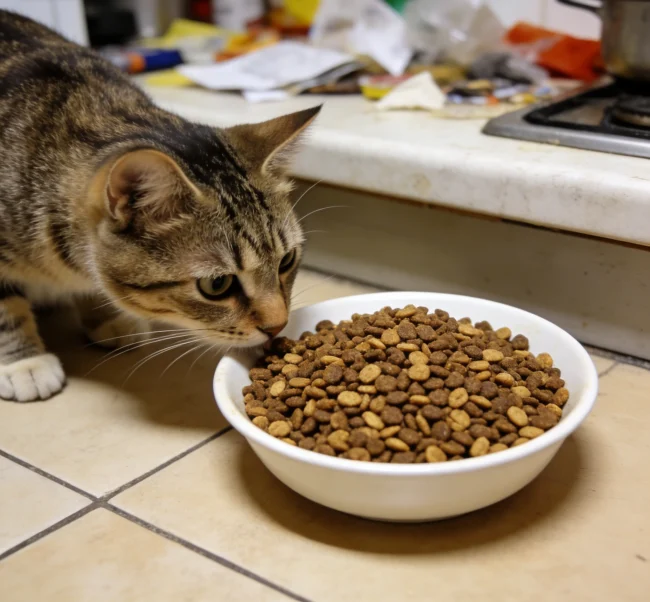
The toxic agent here is theobromine and caffeine, methylxanthines that cats metabolize extremely slowly. Even small amounts can overstimulate the nervous and cardiac systems.
2. Alliums: Onions, Garlic, Chives, & Leeks
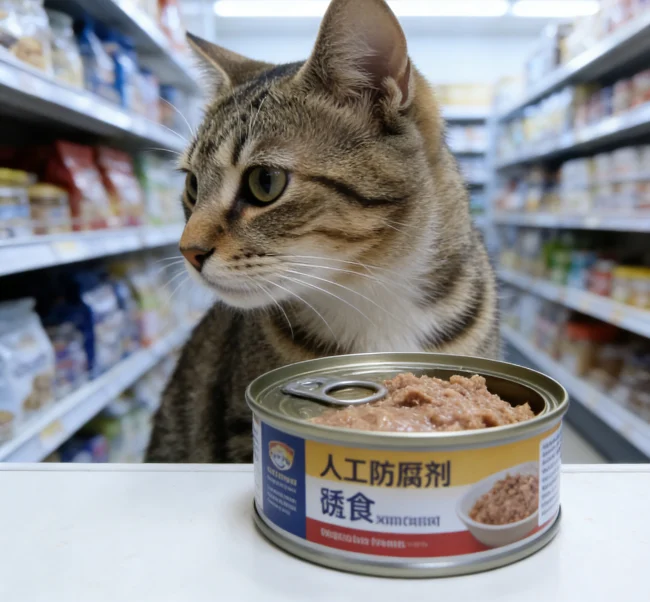
These plants contain N-propyl disulfide and thiosulfates, which cause oxidative damage to red blood cells, leading to hemolytic anemia.
3. Grapes and Raisins
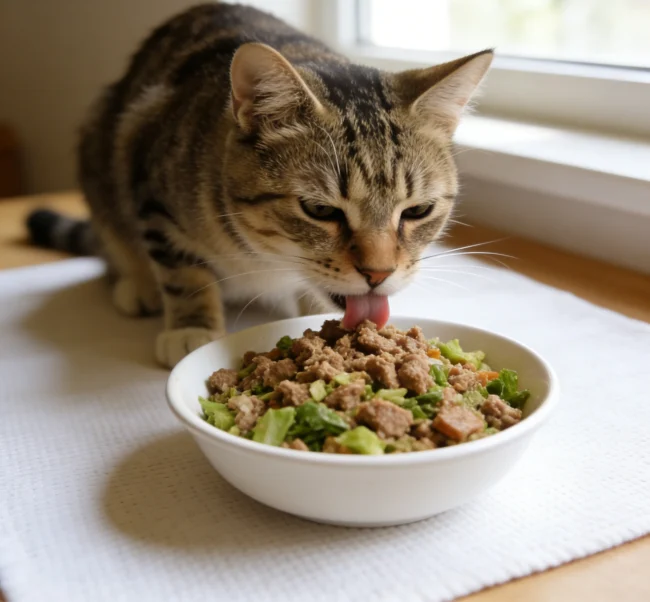
The exact toxic compound remains unidentified, but ingestion is strongly linked to acute kidney failure in cats.
4. Alcohol (Ethanol)
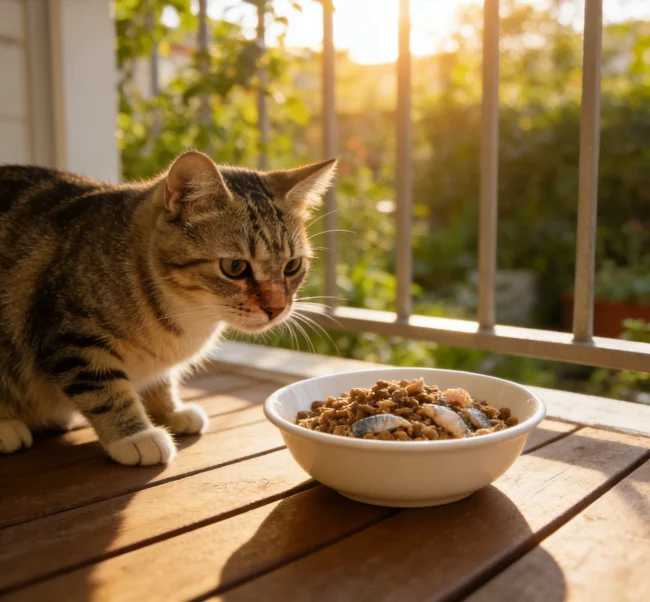
Cats are exceptionally sensitive to ethanol, which is rapidly absorbed and can cause severe central nervous system and respiratory depression.
5. Raw Fish & Meat (Specifically, Certain Types)
While the raw diet debate continues, specific risks are well-documented. The primary dangers are thiaminase and bacterial contamination.
Beyond the Top 5: Other Critical Hazards
A comprehensive safety approach requires awareness of these additional common threats:
Immediate Action Plan: What to Do If Your Cat Eats a Toxic Food
Time is critical. Follow this step-by-step protocol without delay.
Building a Safe Diet: What to Feed Instead
The safest foundation is a high-quality, nutritionally complete commercial cat food labeled with an AAFCO (Association of American Feed Control Officials) statement for your cat’s life stage. For safe, occasional treats, consider:
To help you navigate safe choices, here is a comparison of common food items:
| Food Item | Safe for Cats? | Key Risk / Safe Serving Note |
|---|---|---|
| Cooked Chicken Breast | Yes | Excellent protein treat. Must be plain, boneless, and skinless. |
| Canned Tuna (in water) | In Moderation | High in mercury. Can cause addiction and nutritional imbalance. Only as a rare treat. |
| Milk | No | Most adult cats are lactose intolerant, leading to GI upset. |
| Cheese | Very Sparingly | High in fat and lactose. Can cause pancreatitis and diarrhea. |
| Blueberries | Yes | Antioxidant-rich. Serve washed and in tiny amounts. |
Frequently Asked Questions (FAQ)
Q: Is a little bit of milk or cheese okay as a treat?
No, it’s not recommended. Most cats lose the enzyme to digest lactose after weaning. Even small amounts can cause stomach pain, gas, and diarrhea. There are lactose-free “cat milk” products available if you wish to offer a similar treat.
Q: My cat ate a tiny piece of onion. Should I panic?
You should act promptly, but not panic. Contact your vet or animal poison control immediately. The toxicity of alliums is cumulative, and a professional can assess the risk based on your cat’s weight and the amount ingested, advising if monitoring or treatment is needed.
Q: Are all human foods dangerous for cats?
Not all, but most are unnecessary and many are risky. Cats have specific nutritional requirements (like high protein and taurine) that are best met by balanced cat food. Safe human foods (like plain cooked meat) should only be occasional treats, making up no more than 10% of their daily caloric intake.
Q: What about raw diets? Aren’t they more natural?
Raw diets carry significant risks of bacterial contamination (Salmonella, E. coli) for both pets and humans, and nutritional imbalances if not formulated correctly. If you choose a raw diet, it is crucial to consult with a veterinary nutritionist to ensure it is complete, balanced, and handled with extreme food safety precautions.
Q: Why is dog food bad for cats?
Dog food lacks sufficient taurine, an essential amino acid cats cannot synthesize themselves. A taurine-deficient diet leads to irreversible heart disease (dilated cardiomyopathy) and blindness. Dog food also has different protein and fat levels unsuitable for a cat’s obligate carnivore metabolism.
Q: Can I give my cat fish like tuna or salmon?
Cooked, plain fish can be a rare treat. However, a steady diet of raw fish risks thiamine deficiency, and canned tuna for humans is high in mercury and lacks proper nutrients for cats, potentially leading to malnutrition and addiction.
Q: What are the first signs of food poisoning in cats?
The most common early signs are gastrointestinal: sudden vomiting, diarrhea, drooling, or loss of appetite. Neurological signs like lethargy, stumbling, tremors, or unusual agitation are red flags requiring immediate veterinary attention.
Q: Is it safe to give my cat bones?
Cooked bones are never safe as they splinter. Raw bones can be offered under strict supervision for dental health but carry risks of broken teeth, choking, or intestinal blockage. Consult your vet for safer dental care alternatives.
Q: Are there any safe “people food” treats?
Yes, in strict moderation. Examples include small pieces of cooked, unseasoned chicken, turkey, or beef; a teaspoon of cooked pumpkin (plain); or a few blueberries. Always introduce any new food slowly.
Q: What should I do if I’m unsure if a food is safe?
The golden rule is: When in doubt, leave it out. Stick to their regular, balanced cat food and treats. If you want to introduce something new, always verify its safety with a reliable source like your veterinarian or a certified pet nutrition resource first.
Empowering yourself with knowledge is the best defense for your cat’s health. By understanding the specific dangers of these five food categories and adhering to a diet of high-quality, species-appropriate nutrition, you can prevent emergencies and contribute to a long, vibrant life for your feline companion. Bookmark this guide, save your vet and poison control numbers in your phone, and always prioritize caution over curiosity when sharing your snacks.

Related Articles
 Cat Food Guide
Hypoallergenic Cat Foods – The 2026 Guide from Diagnosis to Bowl
 Cat Food Guide
What treats do cats love the most? A Science-Based Guide to Feline Taste
 Cat Food Guide
Is Purina Any Good for Cats? A 2026 Evidence-Based Review
 Cat Food Guide
Is Hypoallergenic Cat Food Really Work? A Vets Evidence-Based Guide
 Cat Food Guide
Best Wet Cat Food for Indoor Cats – 2026 Vet Guide & Feeding Toolkit
 Cat Food Guide