



Is Hypoallergenic Cat Food Really Work? A Vets Evidence-Based Guide

You’ve seen the ads and heard the claims: “Hypoallergenic cat food stops the itching!” “End allergies with this special diet!” It sounds like a magic solution for your miserable, scratching feline. But is hypoallergenic cat food really effective, or is it just clever marketing? The short, nuanced answer is yes, it can work—but only under very specific conditions and for a specific problem. It is not a cure-all for every sneeze, wheeze, or itch. Its true efficacy is limited to managing food allergies, which are surprisingly rare compared to environmental allergies. This article cuts through the hype with evidence-based science, veterinary guidance, and a clear action plan to help you determine if this specialized diet is the right solution for your cat.
The most critical step is correctly identifying the enemy. “Hypoallergenic” is meaningless if you’re fighting the wrong battle.
The Science Behind “Hypoallergenic”: How These Diets Actually Work
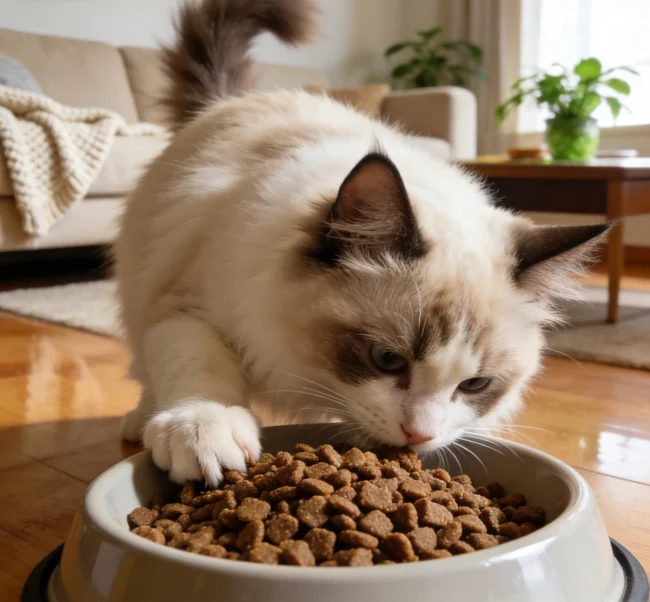
True hypoallergenic cat foods for managing food allergies operate on one of two scientific principles:
A New Frontier: Reducing the Fel d 1 Allergen
A separate category of food, like Purina Pro Plan LiveClear, works on a completely different problem. It doesn’t address a cat’s food allergy. Instead, it contains an egg-based antibody that binds to the Fel d 1 protein in a cat’s saliva (the primary cause of human allergies to cats). It aims to reduce the allergen load in the environment for allergic people, not treat the cat’s own allergies. This is an important distinction often missing from discussions.
The Gold Standard: The 8-Week Elimination Diet Trial
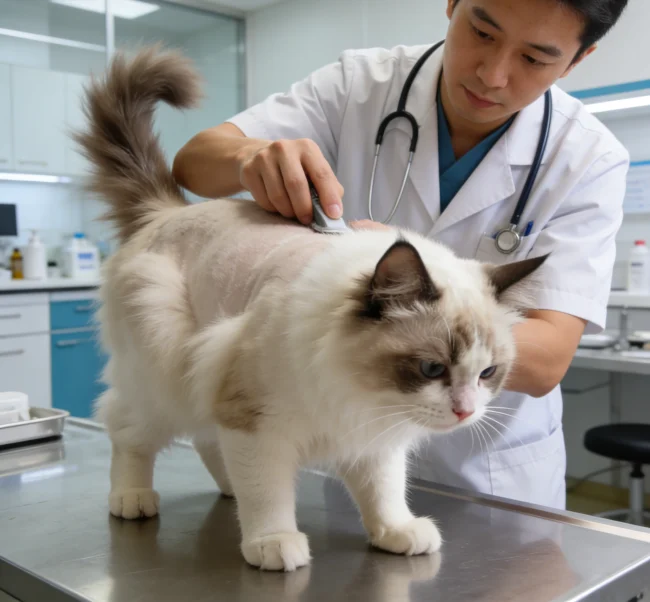
If you suspect a food allergy, a hypoallergenic diet alone is not a test. The veterinary-supervised elimination diet trial is the only reliable diagnostic tool. Here is a clear, step-by-step action plan, presented as the flowchart many competitors lack:
Step 1: Veterinary Consultation. Never start without this. Your vet must rule out other causes of itching (parasites, infections, environmental allergies) and prescribe the appropriate diet.
Step 2: Select the Diet. Your vet will recommend either a prescription hydrolyzed protein diet or a novel protein diet. Over-the-counter “limited ingredient” diets are often contaminated with trace proteins and are not reliable for a true trial.
Step 3: The Strict 8-Week Feed. Your cat must eat only the prescribed diet and water. No treats, table scraps, flavored medications, or supplements. Even a tiny amount of the old allergen can invalidate the trial.
Step 4: Observe and Record. Track symptoms meticulously in a journal. Improvement is often seen within 4-6 weeks but requires the full 8 weeks to confirm.
Step 5: The “Challenge.” If symptoms resolve, your vet will guide you to reintroduce the old food. If symptoms return, a food allergy is confirmed. You then return to the hypoallergenic diet for long-term management.
Comparing Hypoallergenic Diet Types and Brands

To address a key gap in competitor content, here is a neutral comparison of the main categories. This is for informational purposes; your veterinarian’s recommendation is paramount.
| Diet Type | How It Works | Common Brands (Examples) | Key Considerations |
|---|---|---|---|
| Prescription Hydrolyzed Protein | Proteins are broken into tiny, non-allergenic fragments. | Royal Canin Hydrolyzed Protein, Hill’s Prescription Diet z/d, Purina HA | Most reliable for diagnosis. Requires vet authorization. Often more expensive. |
| Prescription Novel Protein | Uses a single, uncommon protein source. | Royal Canin Selected Protein, Hill’s Prescription Diet d/d | Effective if the novel protein is truly new to the cat. Also vet-prescribed. |
| Over-the-Counter (OTC) Limited Ingredient | Markets a simplified ingredient list with few proteins. | Blue Buffalo Basics, Natural Balance L.I.D., Instinct Limited Ingredient | Risk of cross-contamination. Not recommended for the initial diagnostic trial but may work for long-term management in some confirmed cases. |
| Fel d 1 Reducing Diet | Contains antibody to neutralize the major human cat allergen in saliva. | Purina Pro Plan LiveClear | Does not treat the cat’s allergies. Designed to reduce human allergic reactions. The cat can eat other foods. |
Debunking Common Myths and Stating Clear Limitations
To build trust, we must be transparent about what these foods cannot do.
The Final Verdict: A Tool, Not a Miracle
So, does hypoallergenic cat food really work? The evidence says it is a highly effective, scientifically-backed tool for diagnosing and managing confirmed food allergies in cats. Its “failure” most often stems from misdiagnosis (treating an environmental allergy), improper execution of the elimination trial, or unrealistic expectations.
The cornerstone of success remains a partnership with your veterinarian. They provide the expertise to diagnose correctly and the authority to prescribe the right diet. By understanding the science, following the strict protocol, and managing expectations, you can determine if this specialized food is the key to your cat’s comfort or if your investigative journey needs to turn in a different direction.
Frequently Asked Questions (FAQ)
Q: How long does it take for hypoallergenic cat food to work?
If your cat has a true food allergy, you may see some improvement in gastrointestinal symptoms within a few days, and skin/itch improvement within 4-6 weeks. However, a full 8-week exclusive feeding trial is required to officially confirm or rule out a food allergy. Do not judge results before this period ends.
Q: Can I use over-the-counter limited ingredient food for the elimination trial?
Veterinary dermatologists strongly advise against it. Studies have found that many OTC “limited ingredient” or “novel protein” diets are contaminated with trace amounts of other proteins (like chicken or beef) due to shared manufacturing equipment. This contamination can sabotage your trial. For a true diagnostic test, a prescription hydrolyzed or novel protein diet is necessary.
Q: What are the most common food allergens for cats?
The most frequently reported food allergens in cats are beef, fish, chicken, and dairy products (e.g., cow’s milk). These are common because they have been prevalent in cat foods for decades, giving the immune system ample exposure to potentially react to them.
Q: My cat is still itchy on hypoallergenic food. What does this mean?
This strongly suggests your cat’s itching is not caused by a food allergy. The most likely culprit is an environmental allergy (atopy), followed by parasites like fleas (even indoor cats can get them), or a skin infection. You must return to your veterinarian to investigate these other, more common causes.
Q: What is the difference between “hypoallergenic” and “grain-free” cat food?
They address different issues. “Hypoallergenic” refers to managing a protein allergy. “Grain-free” eliminates grains like corn, wheat, and soy. True grain allergies in cats are exceedingly rare. Most grain-free foods still contain common animal proteins (chicken, beef) that are far more likely to cause an allergy. Grain-free is not a solution for a food-allergic cat.
Q: Is Purina Pro Plan LiveClear considered hypoallergenic cat food?
No, not in the traditional sense. LiveClear is designed to reduce the major allergen (Fel d 1) that cats produce, thereby lessening human allergic reactions. It does not treat or diagnose a food allergy in the cat. A cat with a chicken allergy, for example, could not eat LiveClear if it contained chicken.
Q: Can a cat develop a new food allergy later in life?
Absolutely. Food allergies can develop at any age, even to a protein a cat has eaten without issue for years. It requires repeated exposure for the immune system to become sensitized, which is why allergies often appear in cats over one year of age.
Q: What should I do if my cat won’t eat the prescription hypoallergenic food?
Palatability can be a challenge. Work with your vet. They may recommend a different hydrolyzed formula (e.g., wet food vs. dry) or a different novel protein. A very slow, gradual transition mixed with the old food over 7-10 days can help. Never starve a cat into eating it; consult your vet for alternatives.

Related Articles
 Cat Food Guide
What Are Signs of Food Allergies in Cats? A Vets Guide to Symptoms & Solutions
 Cat Food Guide
Is Purina Any Good for Cats? A 2026 Evidence-Based Review
 Cat Food Guide
What Is the Best Food for Cats With Allergies? A Vets 2026 Guide to Diagnosis & Diets
 Cat Food Guide
Whats the Most Toxic Food for Cats? A Vets Risk Tier Guide
 Cat Food Guide
Hypoallergenic Cat Foods – The 2026 Guide from Diagnosis to Bowl
 Cat Food Guide